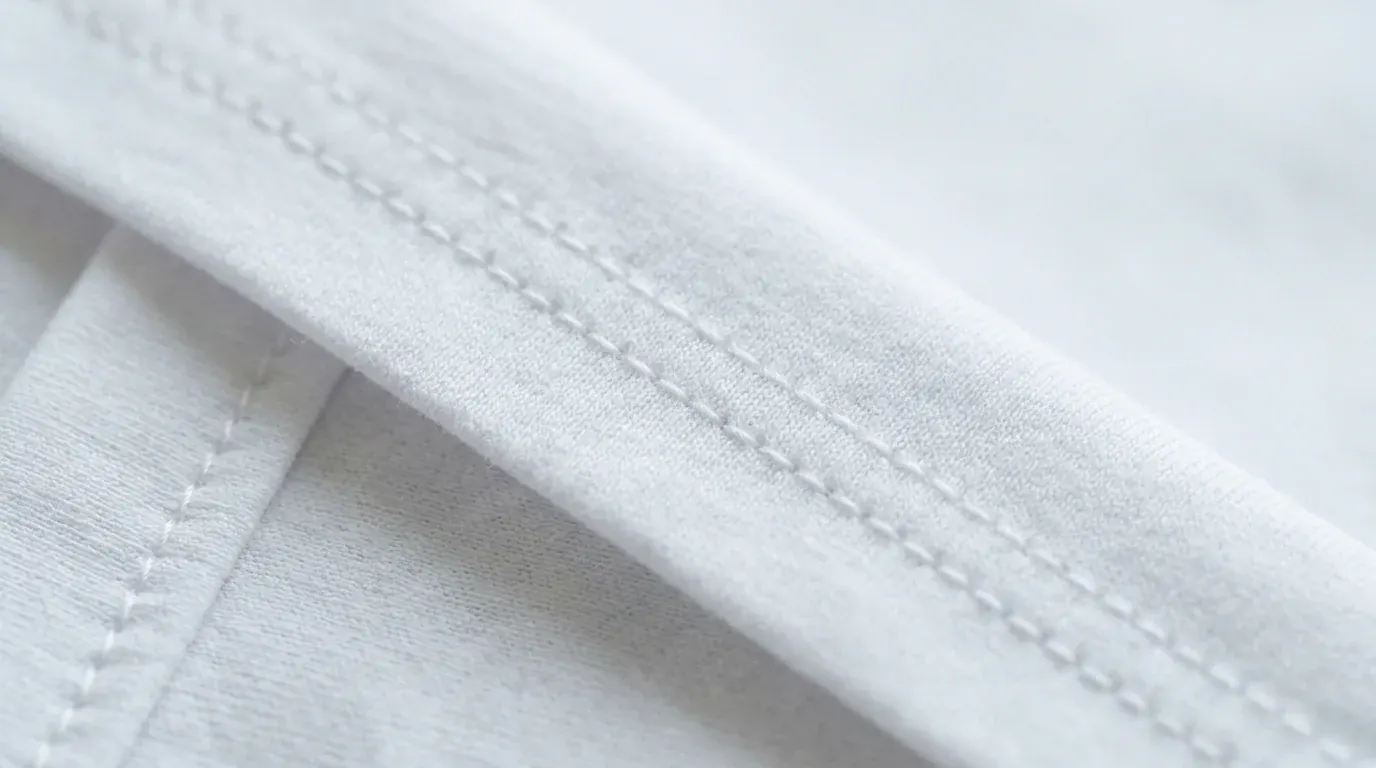
Review fit, measurements, materials, construction, artwork, labels and revision records before approving a clothing sample for its named purpose.
A clothing sample should be approved for a named purpose, not simply marked “approved”. Fit, material, construction, decoration, labels and packing may be reviewed at different stages. The approval record should state exactly which sample and revision were checked, what was accepted and what remains open.
Name the sample stage and approval scope
Factories and buyers may use different sample-stage names. Define the purpose in the project record instead of relying on the label alone.
| Possible sample stage | Main questions | What the approval does not automatically cover |
|---|---|---|
| Development or prototype sample | Can the intended silhouette, construction and materials be developed from the brief? | Final grading, final colour, production workmanship or packing |
| Fit sample | Do balance, ease, length and key measurements work on the agreed wearer or form? | Final fabric, artwork, labels or every size |
| Size-set or grading sample | Do selected sizes follow the approved measurement and proportion direction? | Unchecked sizes, final decoration or packing |
| Decoration or artwork sample | Do artwork version, size, placement, colour direction, surface and hand feel work on the intended garment? | Garment fit, unrelated construction or market label wording |
| Pre-production reference | Are the confirmed materials, construction, branding and presentation aligned before bulk release? | Unrecorded substitutions, later changes or every production unit |
These names are examples, not universal definitions. The approval record should identify the physical sample, date, revision and scope even when the project uses different terminology.
Prepare the review pack before the fitting
Bring the current tech pack or specification, measurement chart, point-of-measure method, previous comment list, material and trim approvals, artwork and placement files, colour reference, label files and intended packing presentation. Confirm that every document carries the same style identifier and revision.
If a reference garment is being compared, state which qualities it controls. One reference may show hood volume, another fabric hand feel and another seam appearance. A reference should not silently become an instruction to copy every detail.
The clothing tech pack guide explains how to keep measurements, materials, construction and artwork decisions in one revision record.
Check fit and measurements in a controlled condition
Record the sample size, wearer or form, clothing worn underneath, fastening condition and whether the garment has been washed, pressed or conditioned. Compare the same condition in later rounds.
Review overall balance before isolated measurements. Check shoulder and neckline position, chest or body ease, sleeve relationship, armhole movement, body length, rise, seat, leg shape, hem position and any category-specific feature that affects use. A measurement can be within tolerance while the garment still appears unbalanced, and a visually acceptable sample can still carry an incorrect measurement.
Measure only from the defined points and method. Record the actual result, target, tolerance and requested change. If a point is difficult to repeat, improve the point-of-measure diagram rather than relying on a verbal note.
Review material, colour and garment behaviour
Confirm the fabric or material identity, composition direction, knit or weave, target weight, stretch, surface, hand feel and colour reference used for the sample. State whether the material is final, a substitute for fit review or still an open option.
Review drape, opacity where relevant, recovery, panel interaction, rib or elastic behaviour and any visible change caused by washing, dyeing, pressing or finishing. Performance statements require a defined test method, named sample stage and acceptance criteria; a fitting alone does not prove shrinkage, colourfastness or durability.
Inspect construction and trims detail by detail
Compare the sample with the current construction callouts. Review seam type, stitch type and appearance, seam allowance where relevant, topstitching, hems, neck and armhole finishes, pockets, panels, reinforcement, closures, lining, rib, elastic and category-specific construction.
Check each trim for material, colour, dimensions, position, orientation, attachment and function. Test zips, snaps, buttons, drawcords, buckles and other hardware through their normal action. Record a proposed substitution as an open decision; do not approve it by leaving it unmentioned.
Approve artwork, labels and packing separately
For decoration, confirm the artwork name and revision, final dimensions, colour reference, placement measurements, method, surface, hand feel, reverse finish and visible effect on the garment. Use the screen printing vs embroidery guide when the method has not yet been selected.
For labels and product information, confirm the file version, dimensions, material, wording owner, position, orientation and attachment method. State who is responsible for market-specific fibre, care, language and other required product information. Visual approval does not replace the appropriate compliance review.
For packing, check the fold, protective method, hangtags, stickers, SKU or barcode mapping, size and colour identification, assortment and carton instructions. A garment sample can be approved while packing remains open, but the record must say so.
Write comments as decisions, not impressions
Each comment should identify the location, current result, requested change and controlling reference. “Sleeve too long” is incomplete. A useful comment states the sample size, point of measure or visual relationship, current result, revised target or direction, tolerance if applicable and whether the change affects grading or another construction point.
Use one consolidated comment list per round. Number comments, add marked photographs or sketches and record who owns the update. Close resolved comments and carry open items forward explicitly; do not ask the next sample room to reconstruct decisions from separate messages.
Choose a clear approval status
| Status | Use it when | Required record |
|---|---|---|
| Approved for named scope | The stated fit, material, construction or other reviewed scope is accepted on the identified sample | Sample identity, revision, approved scope, date and approver |
| Revision required | The direction remains active but another sample or corrected evidence is needed | Numbered changes, owner, next sample purpose and open decisions |
| Not accepted | The sample cannot continue as the approval reference | Reason, affected scope and route or brief decision required |
Avoid “approved with comments” unless every comment is classified and the project states whether a new physical sample or documentary confirmation is required. Ambiguous approval can release a change that nobody has physically reviewed.
Clothing sample approval checklist
- Confirm style, sample stage, size, colour, date and revision.
- Confirm the documents and physical references used for review.
- Record sample condition, wearer or form and fitting setup.
- Review overall fit, balance, movement and intended silhouette.
- Measure the agreed points and record actual results against targets and tolerances.
- Confirm material, colour, surface, hand feel and whether each component is final or provisional.
- Inspect construction, seams, stitches, panels, pockets, hems, closures and trims relevant to the style.
- Confirm artwork, decoration and placement against the correct revision and intended garment.
- Confirm label, hangtag and packing status without treating pending items as approved.
- Record testing separately with method, sample stage and acceptance criteria.
- Consolidate comments, photographs, owners and open decisions in one revision record.
- State the approval status, named scope, approver and next action.
Preserve the accepted reference
Label and retain the approved physical sample in a condition that can be compared with production. Connect it to the accepted specification, measurement chart, artwork, label and packing revisions. If a later change is approved, issue a new named reference rather than silently modifying the old record.
The approval checklist supports both routes described in blank apparel vs cut-and-sew manufacturing. A blank-customization sample focuses on the selected garment and branding result; a full custom sample also resolves fit, pattern, materials and construction before bulk production.
Information to send before sample development
Provide the garment category, intended user, fit direction, measurements or reference garment, material and colour direction, construction details, artwork, labels, packing needs, quantity range, destination and target timing. Mark fixed requirements, preferences and open decisions separately so the first sample has a clear purpose.