Garment production knowledge and export communication in one working relationship.
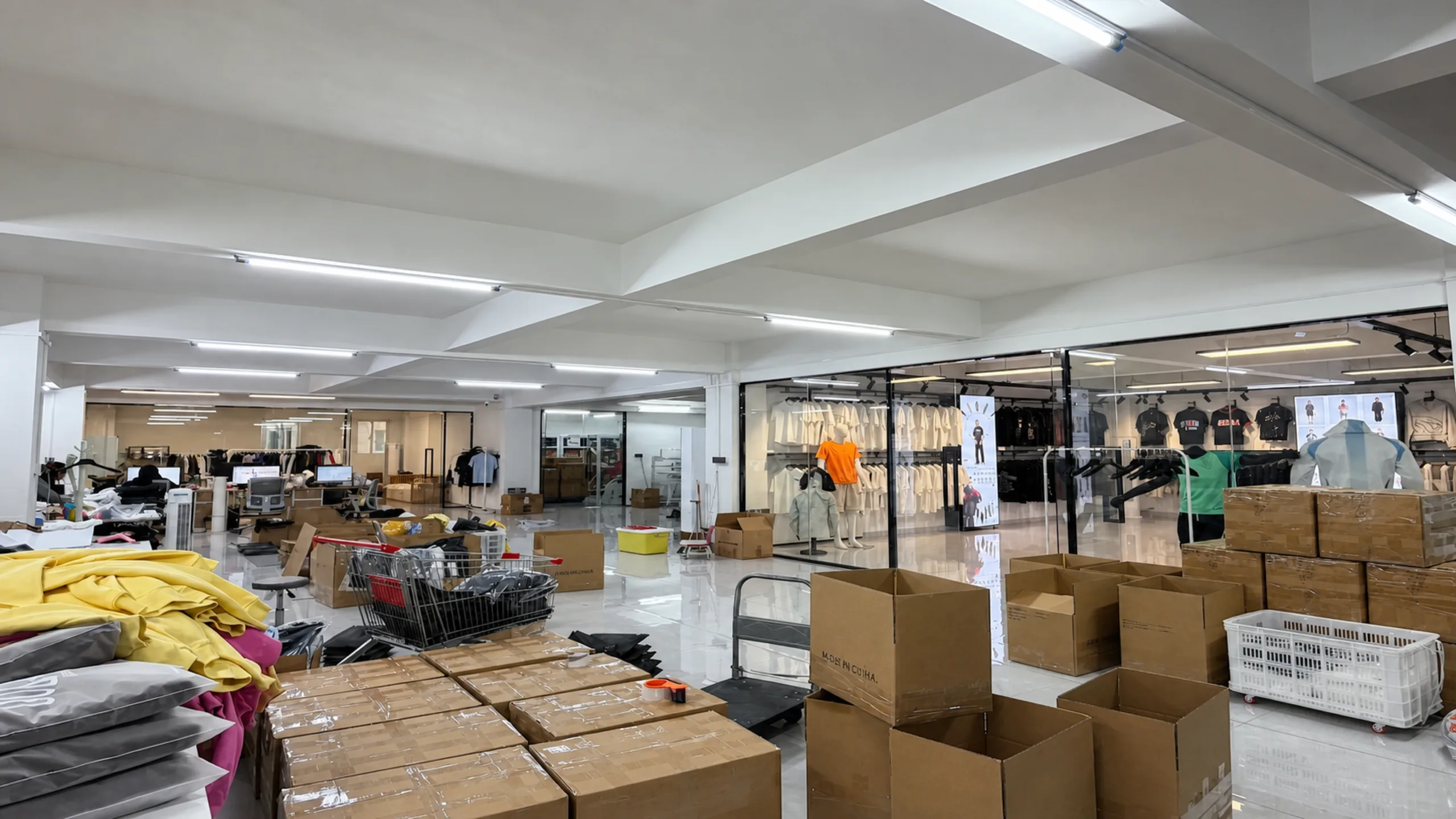
Inside a factory built around visible product decisions.
Follow development, cutting, decoration, sewing, quality control and packing in DRIOV's Quanzhou workflow.
One team connects product development, factory follow-up and export communication.
DRIOV is an apparel manufacturer in China and export trade team based in Quanzhou, Fujian. Our factory-direct clothing manufacturing work supports developed blank garments and full custom cut-and-sew projects for brands and wholesale buyers in Europe and North America.
Fit, fabric, artwork, construction, labels, quantity and destination are reviewed as one product brief. Approved measurements, samples and visual references then remain visible through production and garment quality control.
MOQ, timing, testing, documentation and logistics are confirmed for the actual programme instead of being presented as universal promises.
Keep the base garment fixed, or develop fit, fabric and construction from the brief.
Measurements, artwork, materials, construction and packing follow the accepted reference.
Real production environment
Nine working areas, shown in the order product decisions move through the factory.
Development, material review, cutting, sewing, decoration and finished-garment control are different operations. Each photograph below is labelled by the work it actually shows.
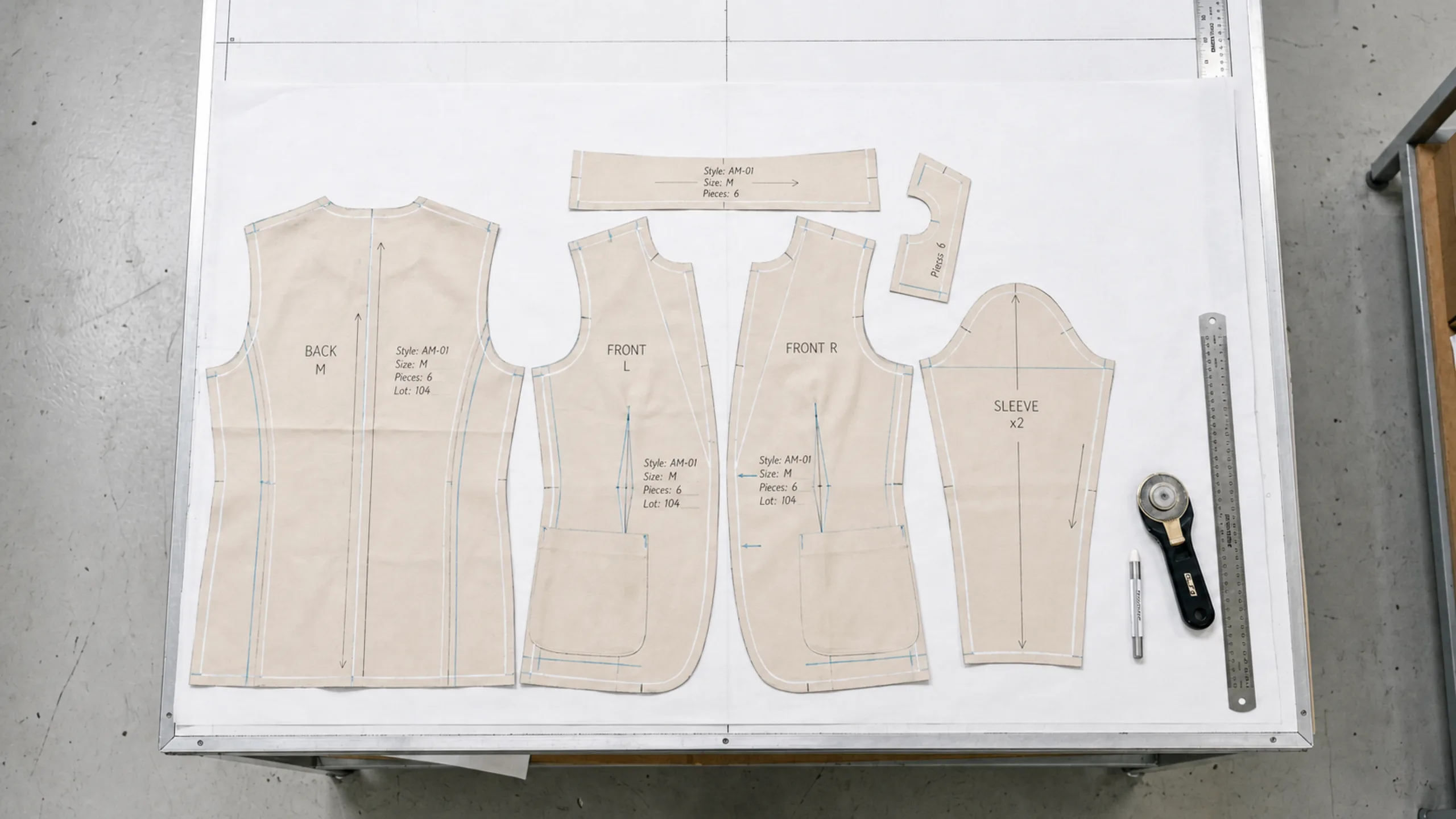
Development workspace
Product references and pattern decisions
References, measurements and garment components are reviewed before the production route is released.
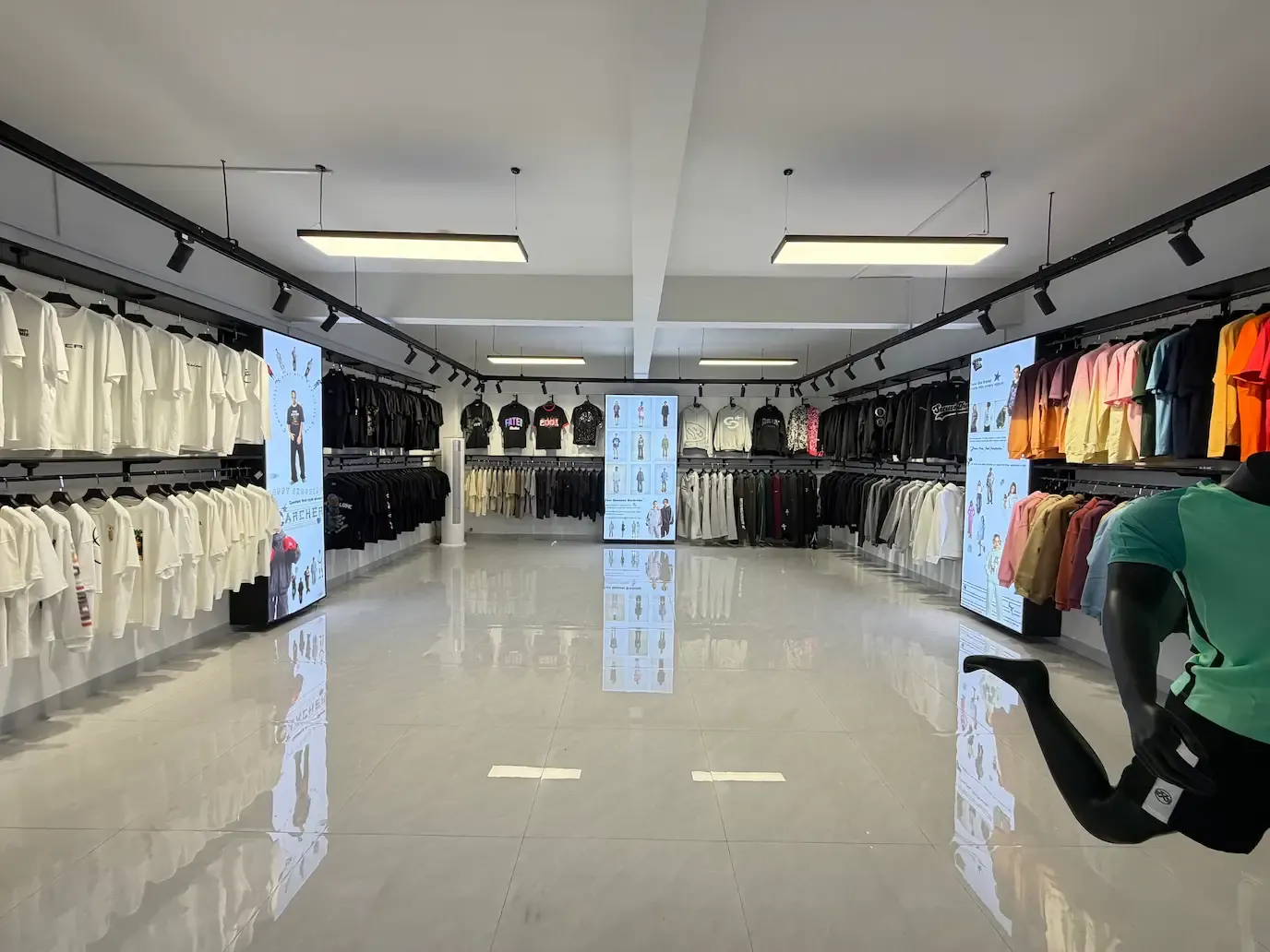
Sample review
Garment display and comparison space
Finished references make silhouette, construction, colour and presentation discussions more concrete.
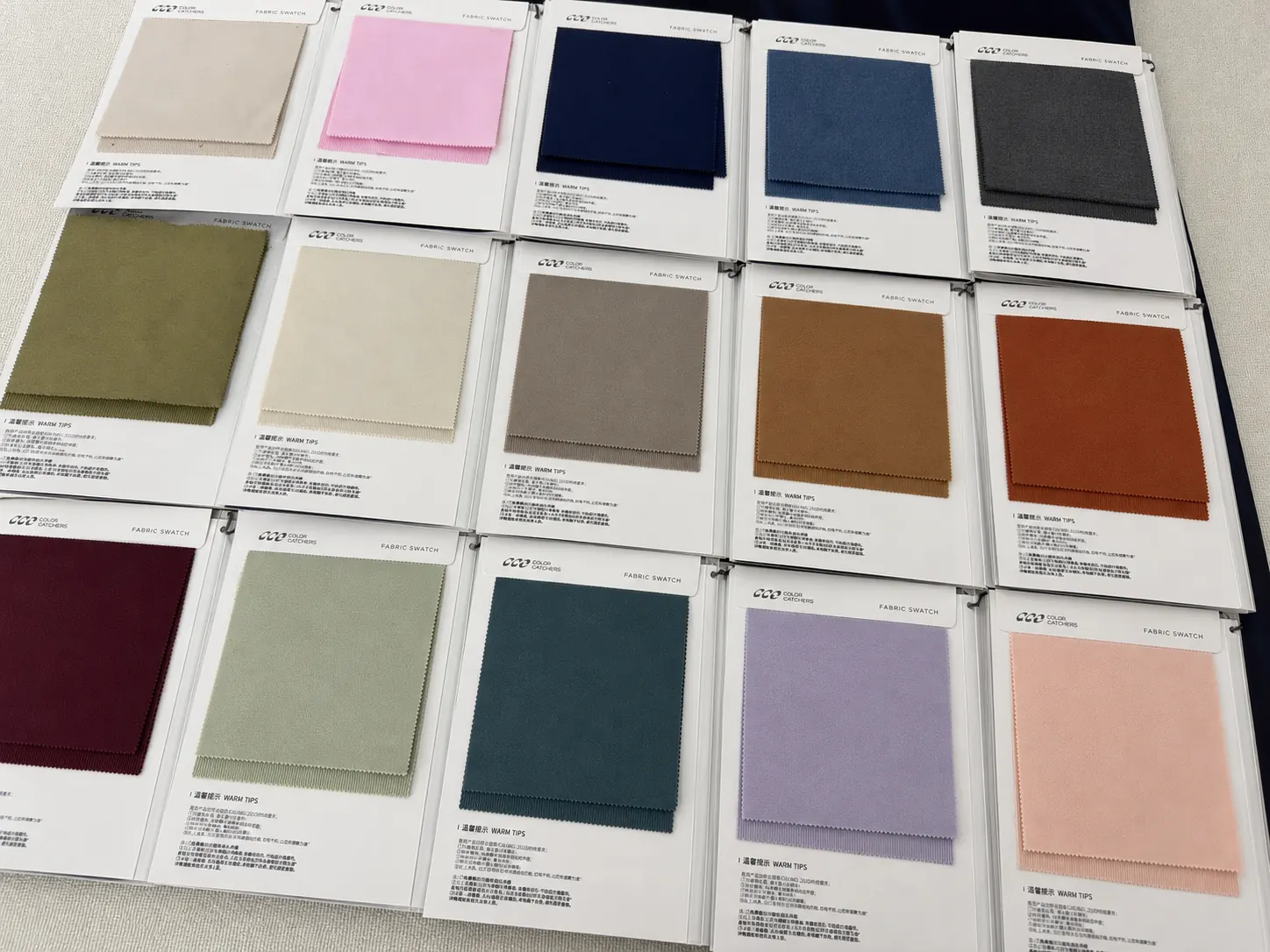
Material control
Fabric inspection before production use
Fabric identity, visible condition and colour direction are checked against the approved project record.
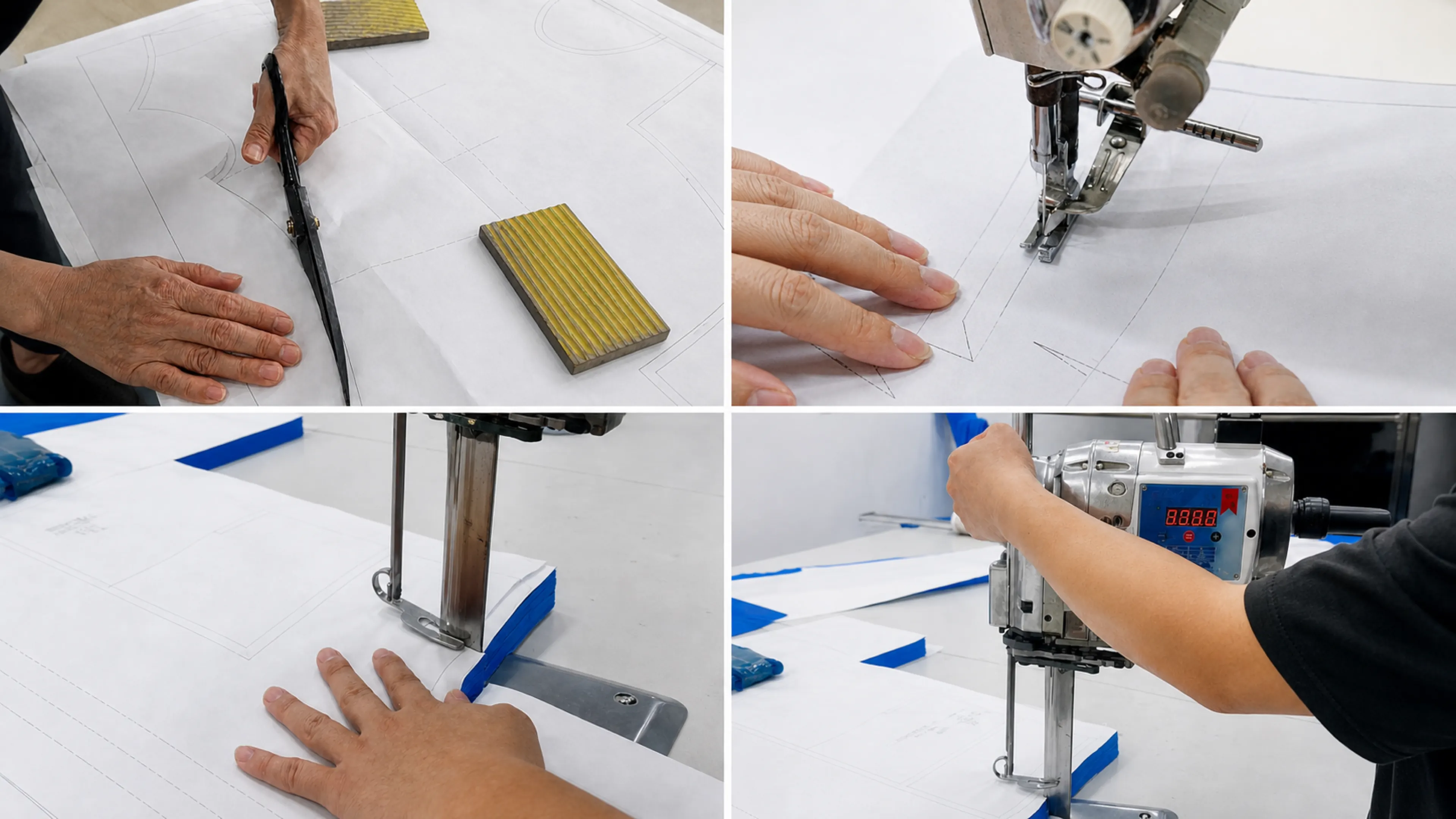
Sample cutting
Pattern pieces prepared for development
Full custom projects use pattern and sample cutting to turn measurements and construction notes into a test garment.
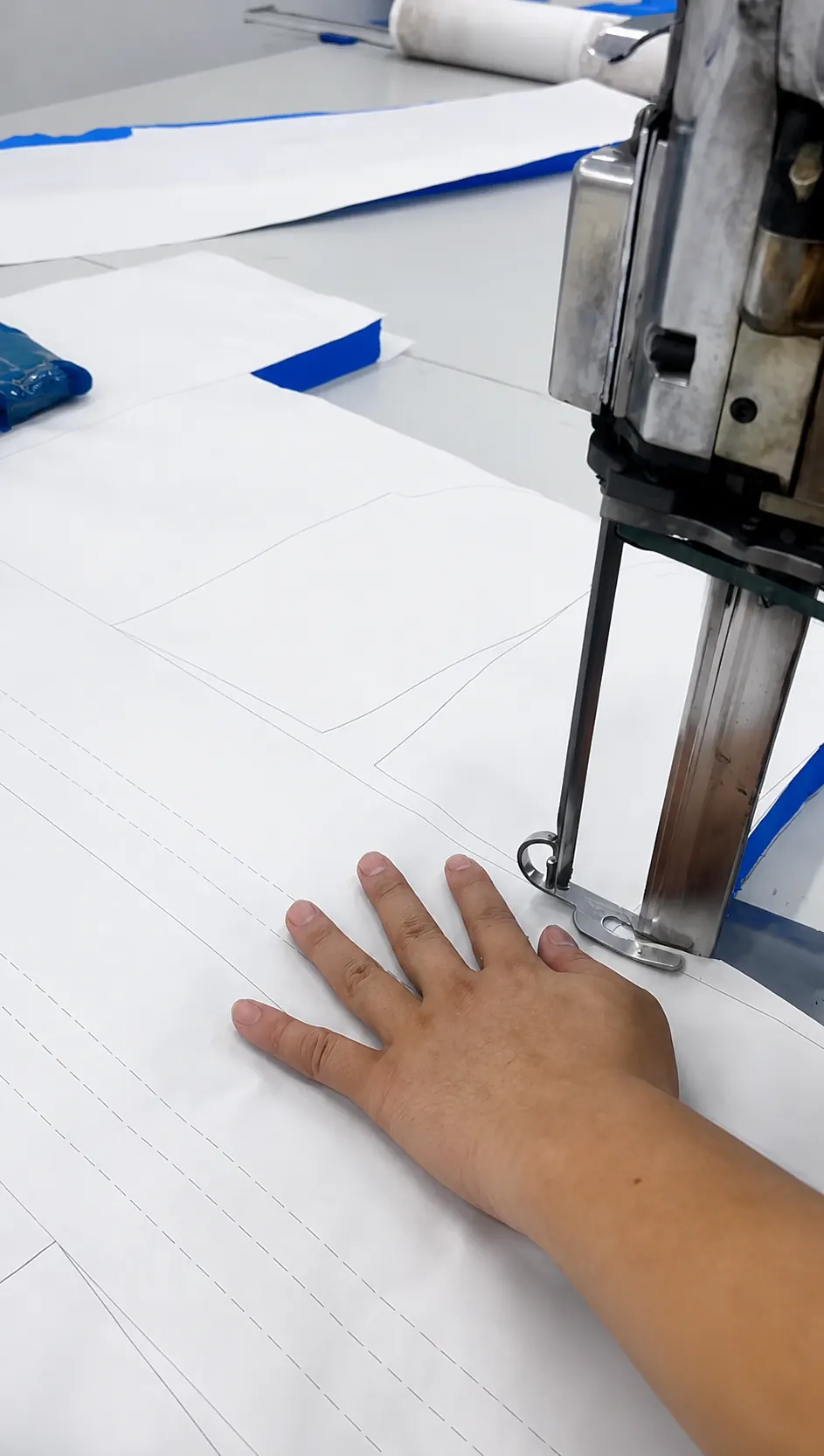
Bulk cutting
Fabric layers prepared for garment components
Approved markers and cutting instructions organize the components needed for bulk cut-and-sew production.
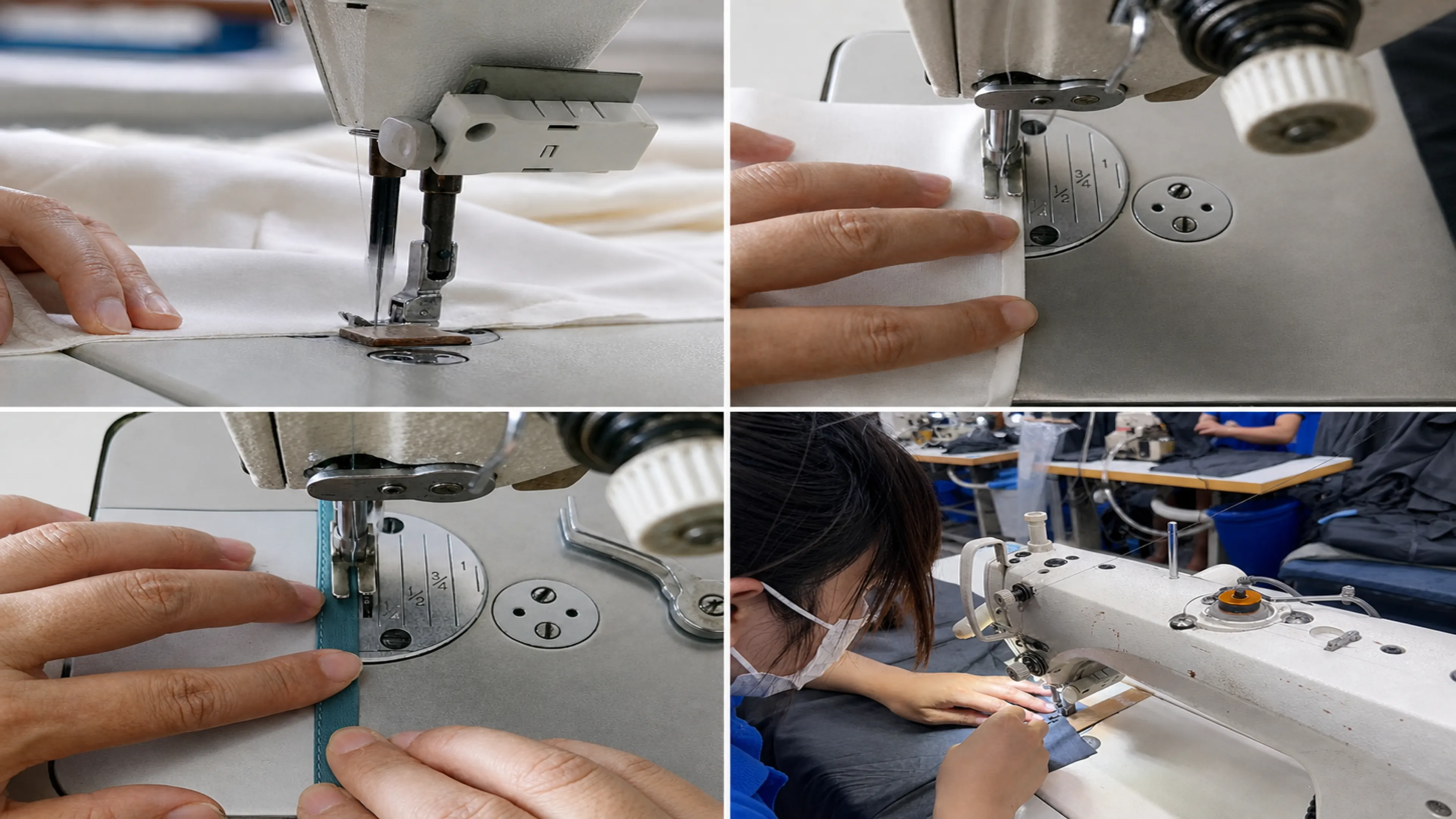
Sewing & assembly
Construction follows the approved sample
Operators assemble garment panels and critical details around the recorded construction reference.
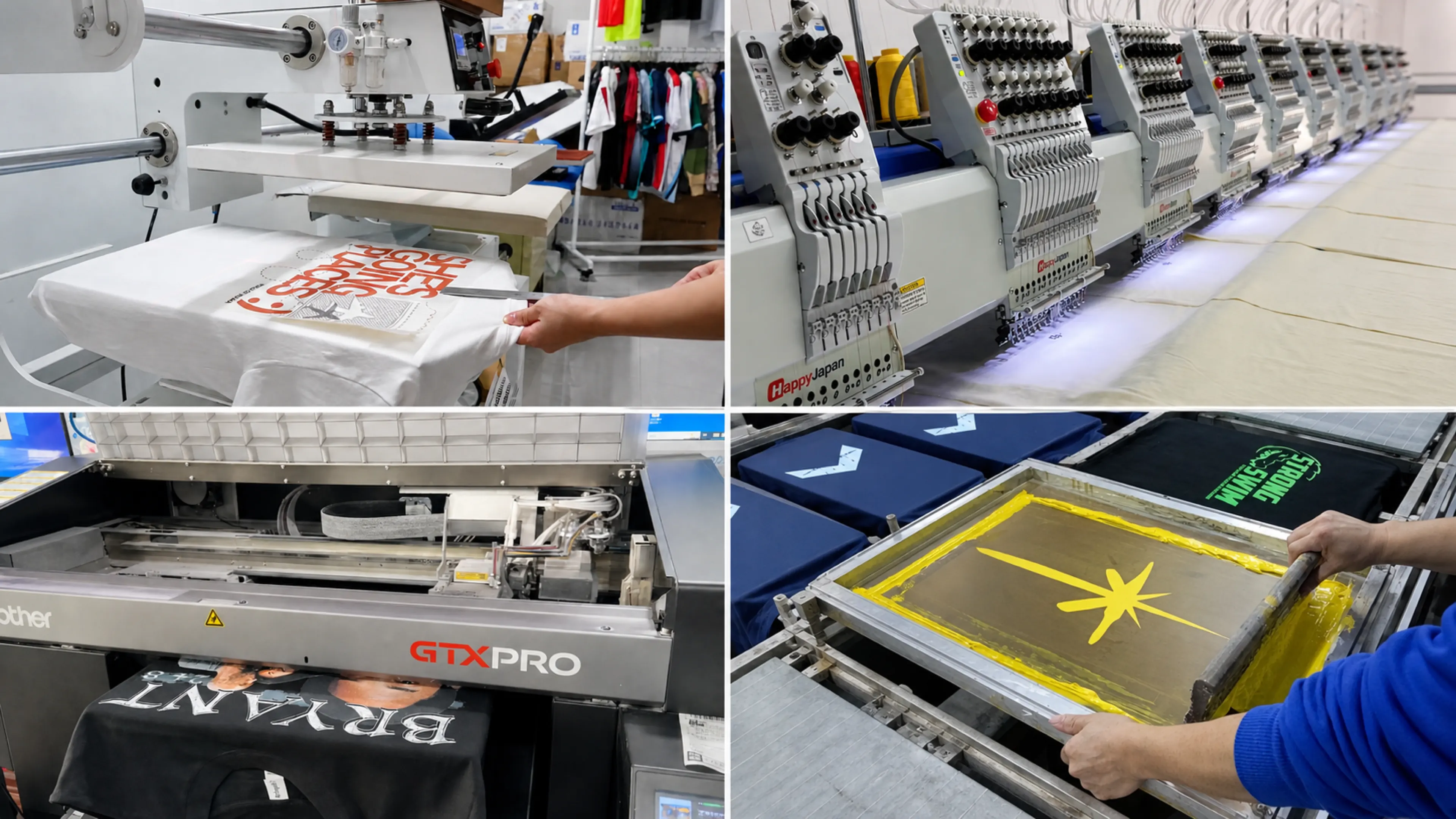
Decoration processes
Artwork matched to the approved garment surface
Printing and embroidery methods are coordinated with the actual fabric, artwork, placement and approved result.
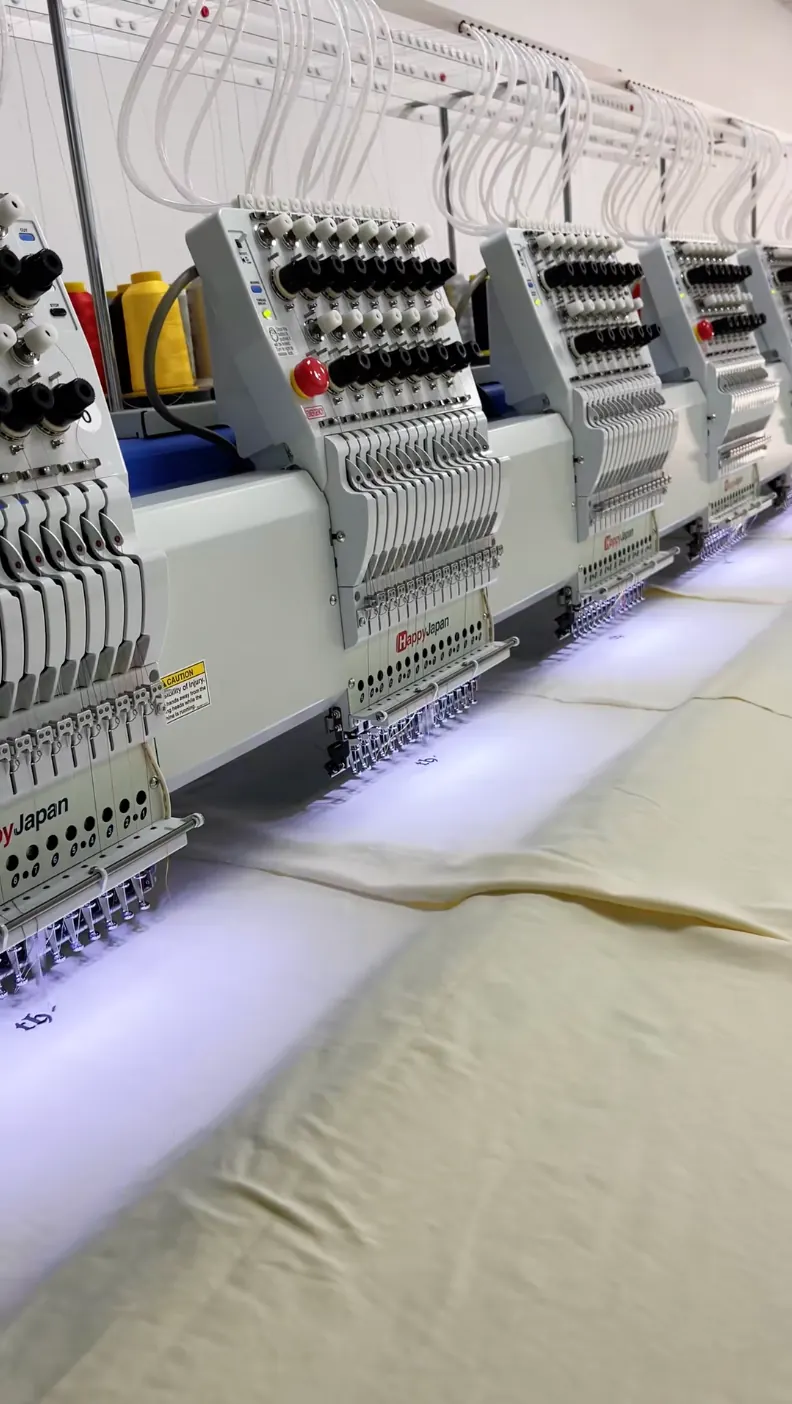
Embroidery
Machine setup for dimensional decoration
Digitising, backing, stitch density and placement are reviewed for the selected garment construction.
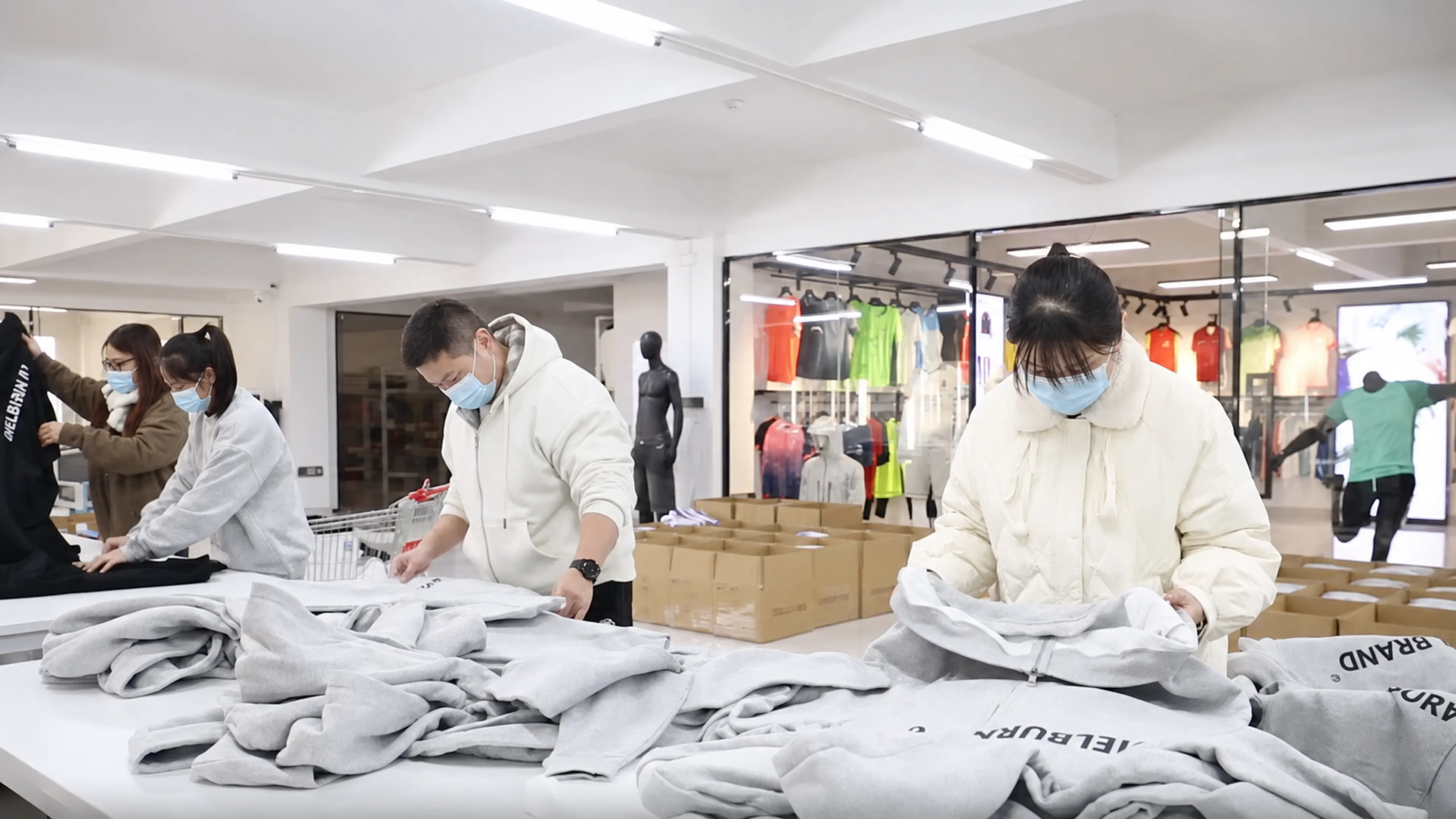
Finished garment control
Final appearance and workmanship review
Measurements, construction, branding and visible presentation are checked against project-specific references before packing release.
Clothing production process · step by step
Six stages connect the brief to shipment handover.
This sequence shows the normal decision flow. The exact route changes with the garment, customization, quantity and approved project scope.
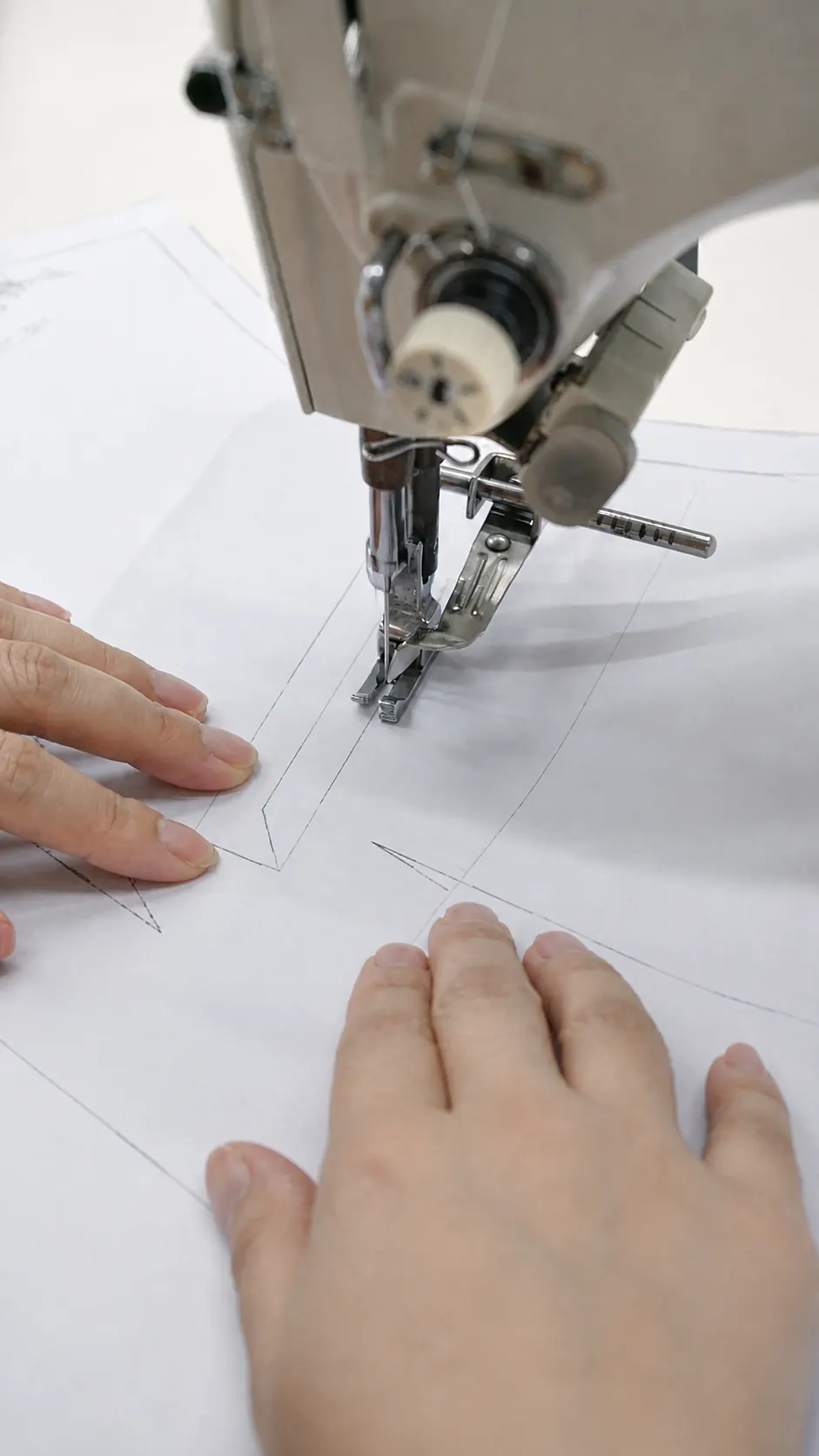
01
Order review, design & pattern
Turn the brief into a manufacturable garment direction.
The clothing production process starts with intended use, target market, garment type, fit references, artwork, quantity range and details that cannot change. For full custom development, measurements and construction notes inform clothing pattern making and a sample plan; for an approved blank, the base style and customization scope are recorded instead.
Approval point: route, product brief, measurement basis and sample scope.
02
Fabric review & cutting
Connect material decisions to accurate component preparation.
Fabric identity, weight direction, colour, surface condition and intended finishing are reviewed against the approved project information. Marker and lay planning then organize garment components for cutting. This stage matters because apparel fabric sourcing, shrinkage expectations and pattern placement affect fit, sewing behaviour, decoration and material use downstream.
Approval point: material reference, colour direction, marker and cutting instructions.
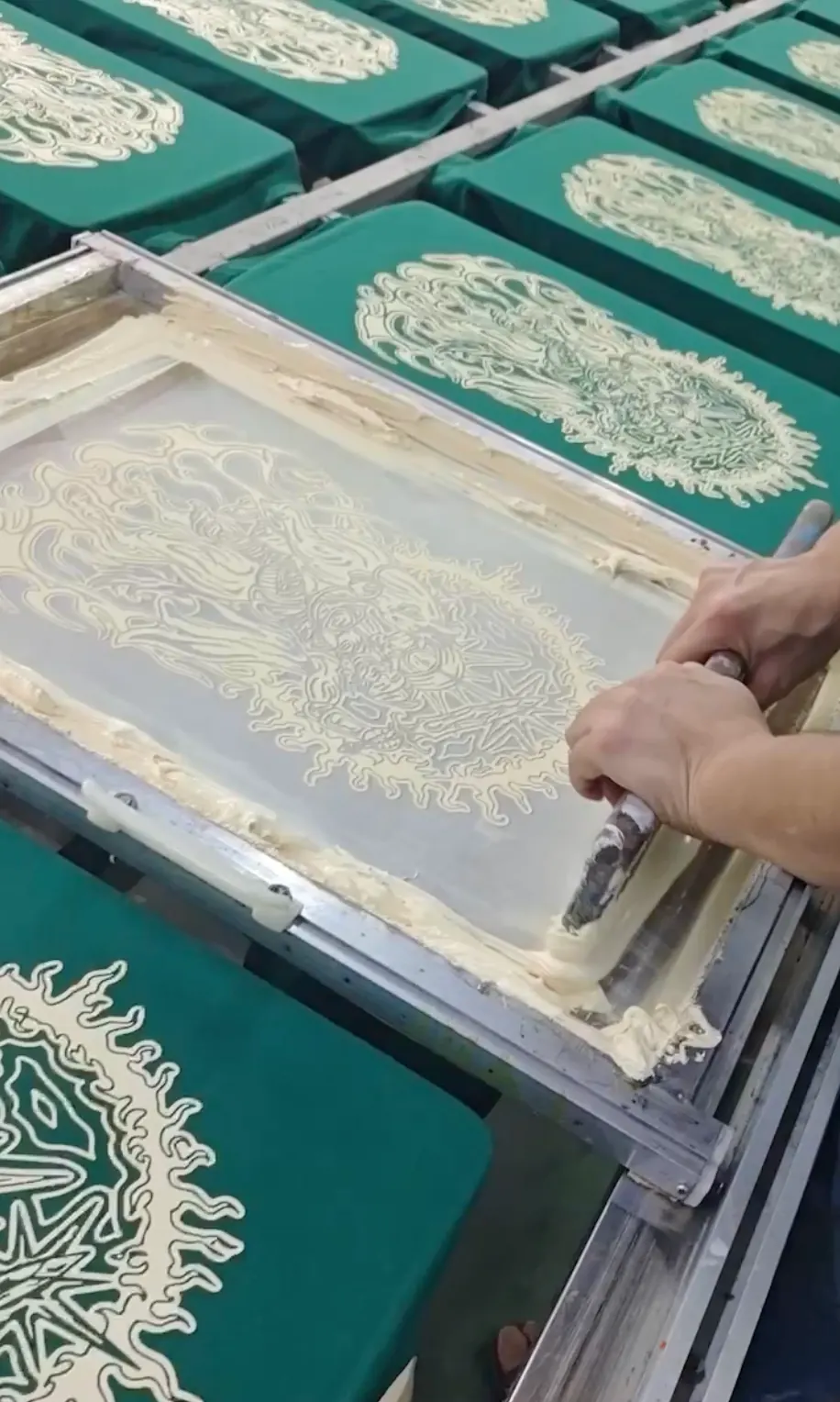
03
Decoration preparation
Match artwork and process to the actual garment surface.
Screen printing, embroidery, heat transfer or another approved decoration route is selected only after the fabric, artwork, colour count, placement and quantity are understood. Tests or strike-offs may be used where the visual result cannot be judged reliably from a digital file. The approved reference then guides repeatable placement and production checks.
Approval point: artwork version, colour reference, placement and approved decoration result.
04
Sewing & assembly
Build construction details around the approved sample.
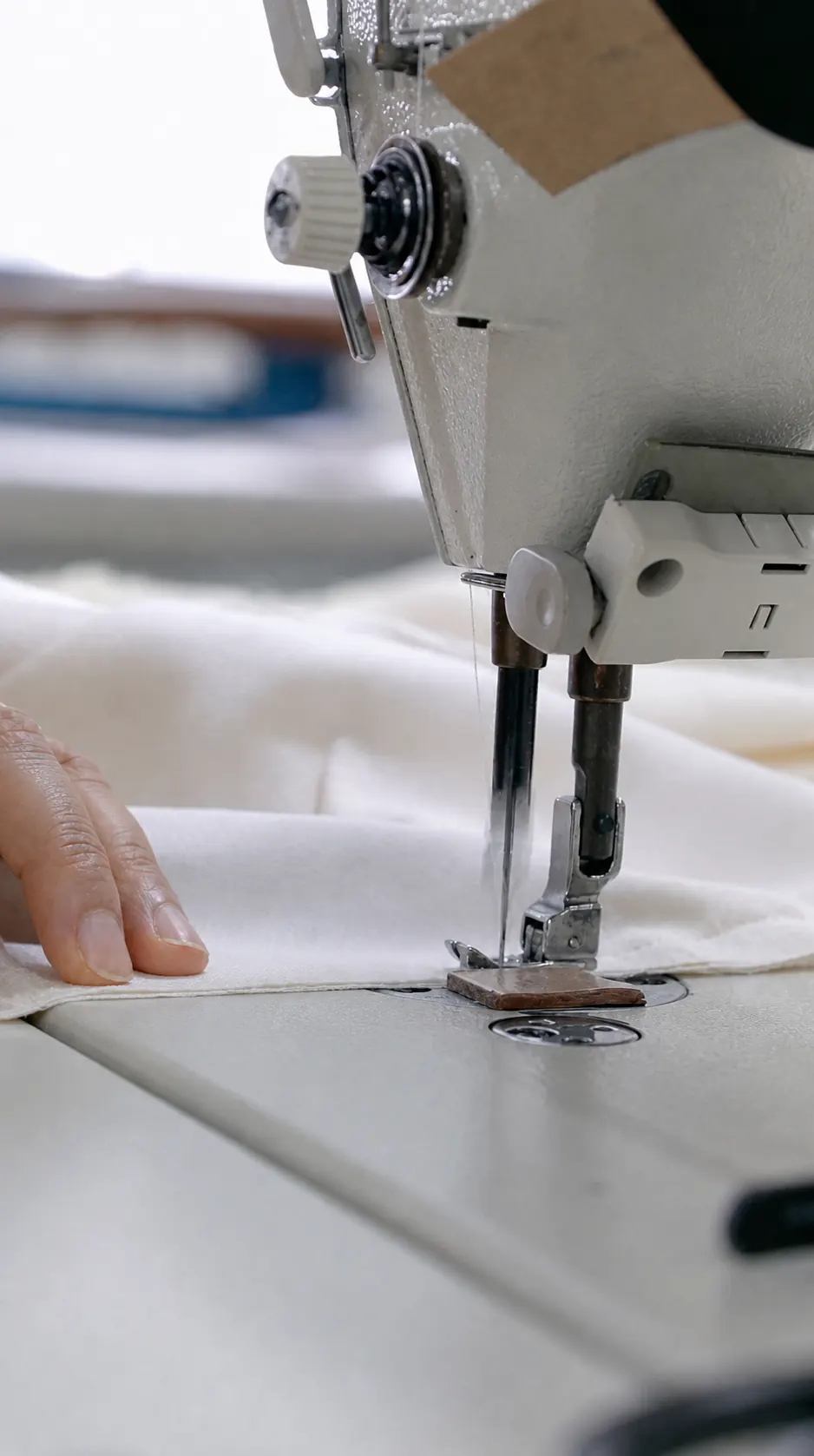
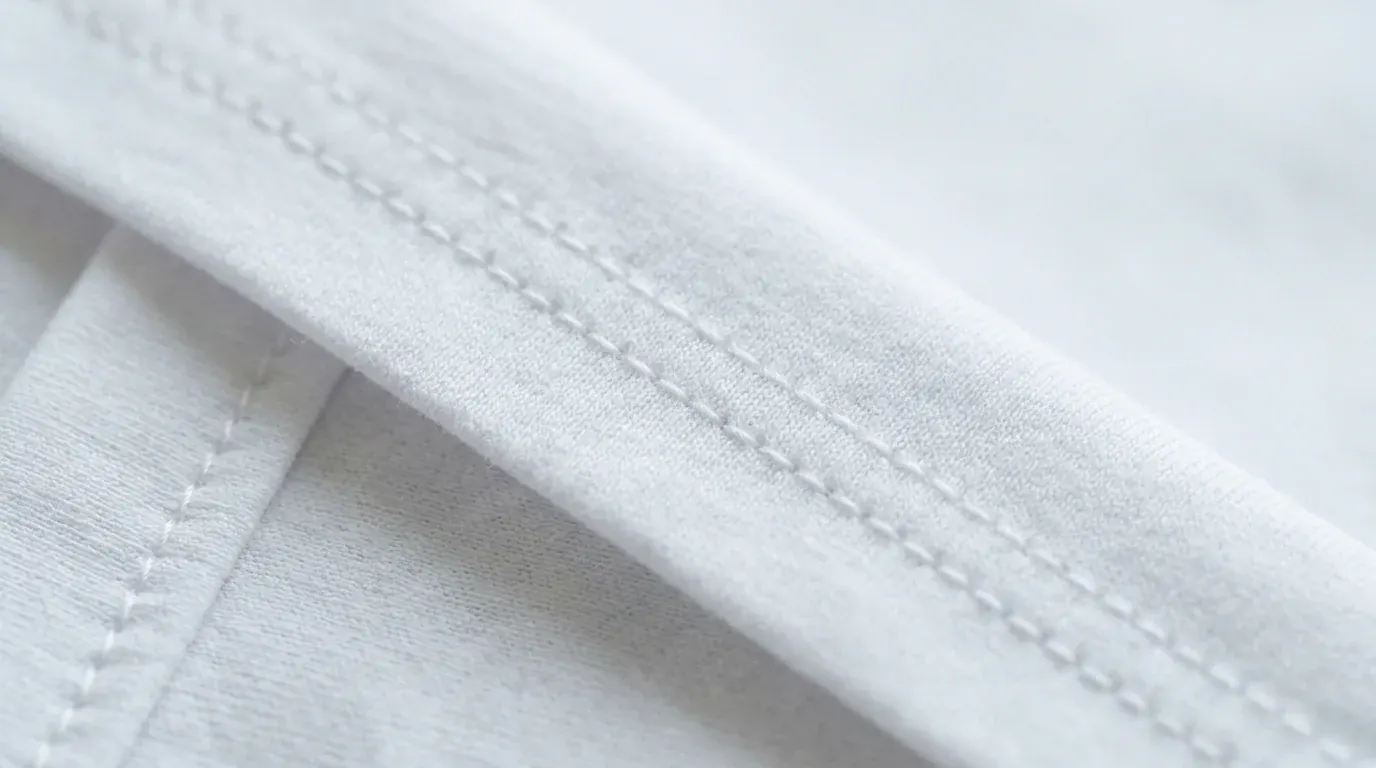
Cut components, trims and operation instructions move into sewing and garment assembly. Seam type, stitch appearance, collar or cuff construction, pocket placement and other critical details follow the approved direction. In-line observation focuses attention on construction points before the garment reaches final inspection, when correction may be less practical.
Approval point: construction reference, critical operations and in-line observations.
05
Finishing & quality control
Review the finished garment against project-specific criteria.
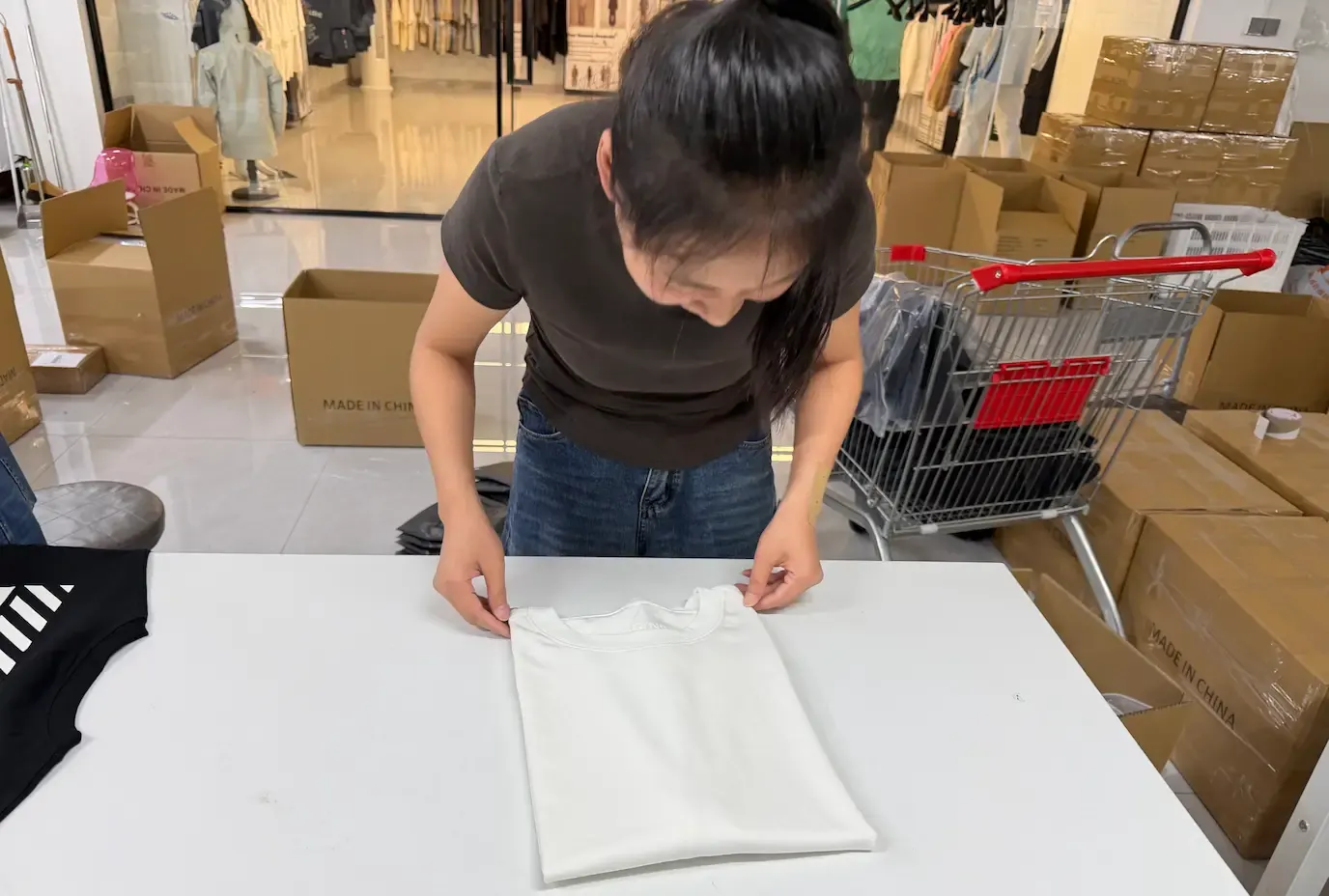
Thread trimming, pressing, approved washing or finishing and final presentation are coordinated before the garment quality control process. Checks can include workmanship, measurements, visible defects, colour or artwork direction, labels and packing details according to the agreed specification. The criteria and inspection method are confirmed for the actual product and order.
Approval point: finished appearance, measurements, workmanship and project documentation.
06
Packing & shipment handover
Keep assortment and presentation clear through dispatch.
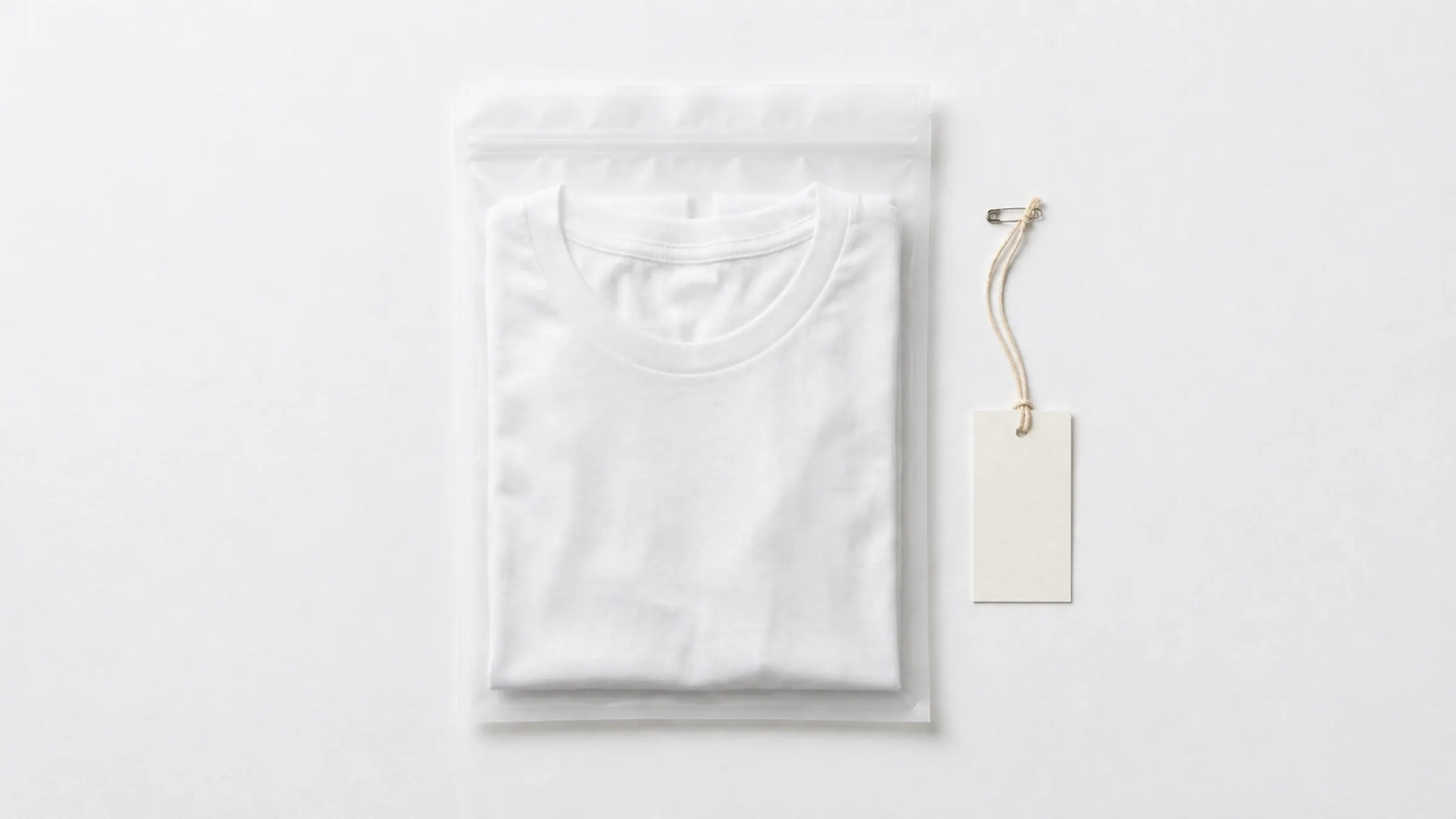
Approved folding, bagging, hangtags, barcode or carton instructions are applied after final release. Size and colour assortments, carton marks and quantity records are organized for the agreed logistics handover. Custom apparel packaging supports presentation and handling, but destination-specific wording and shipping documents remain part of the buyer and project review.
Approval point: packing method, assortment record, carton information and dispatch handover.
Garment quality control process
Quality is a sequence of defined checks, not a blanket claim.
Useful inspection begins before the final garment. The approved sample, specification, measurements, artwork and packing instructions establish what the production team and buyer are reviewing.
Incoming materials
Review fabric and trim identity, visible condition, colour direction and the references named in the approved project record before production use.
In-line production
Observe critical cutting, decoration and sewing details while work is progressing so deviations can be discussed before the final stage.
Finished goods
Check the agreed workmanship, measurements, appearance, branding and packing criteria against the approved sample and project specification.
Product testing, documentation and destination requirements are reviewed by scope. This page does not promise universal regulatory suitability or customs clearance.
Continue the sourcing path