Product direction
Garment type, intended customer, styling references and the decisions that must be original.
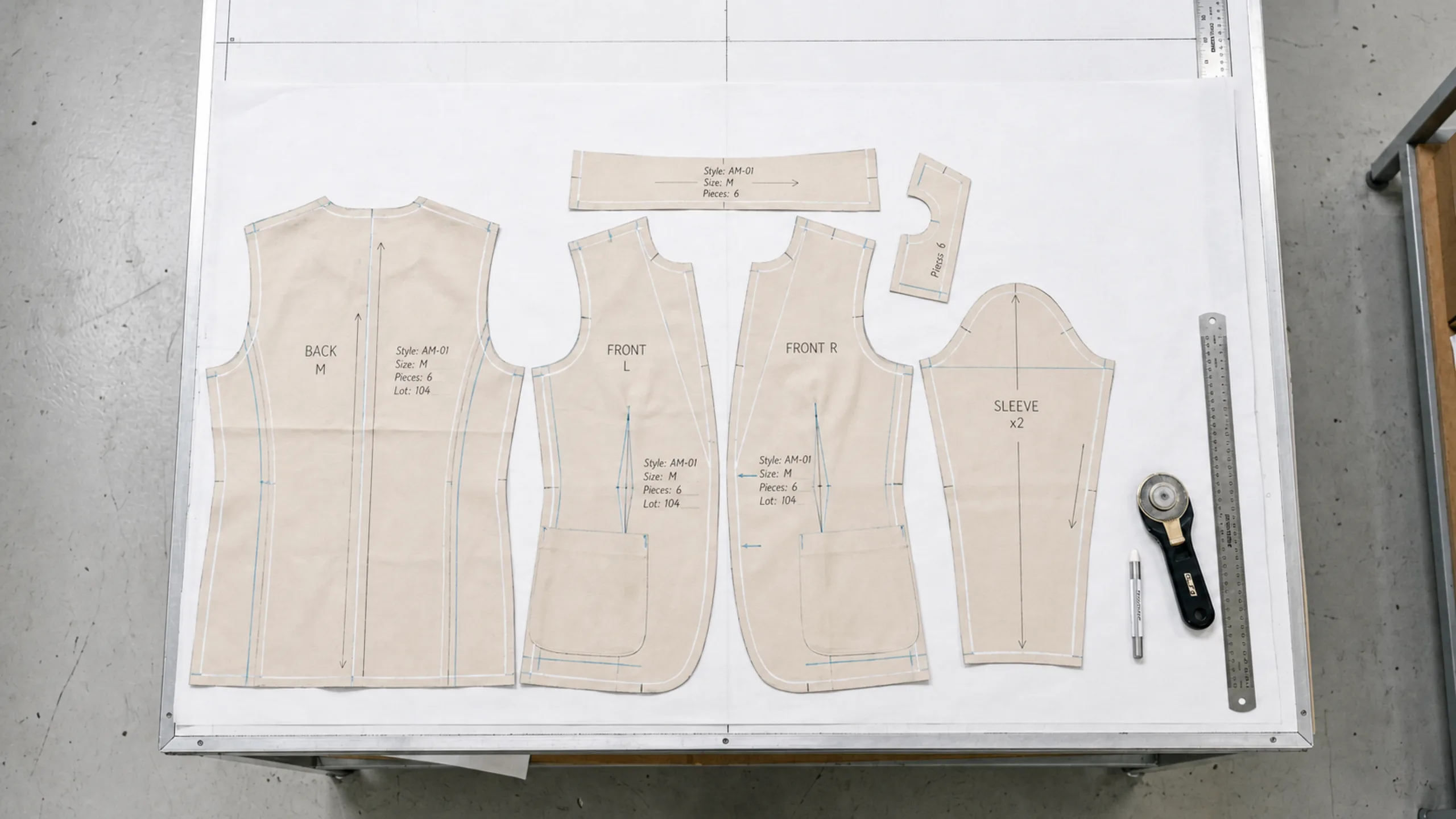
Develop fit, fabric, pattern, construction and finishing through physical samples before bulk production.
Full custom manufacturing creates the garment around an original product brief. Measurements, pattern, fabric, panels, seams, trims, wash, decoration and finishing are resolved through physical samples before bulk production.
Use this route when the garment itself is part of the design. The accepted sample and specification then become the shared reference for cutting, sewing, branding, inspection and final presentation.
When comparing custom clothing manufacturers, review the evidence behind material decisions, fit development, sample approval, production control and repeat-order records.
Prepare the first review
A useful first brief does not need to solve every technical detail. It should show the intended product and the commercial constraints that affect development.
Use the clothing tech pack guideGarment type, intended customer, styling references and the decisions that must be original.
A tech pack, measurement chart, reference garment or clearly marked fit direction.
Preferred composition, structure, weight, hand feel, colour and performance requirements.
Artwork, decoration method, placement, labels, hangtags and packaging requirements.
Target quantity by style or colour, destination market, target timing and repeat-order plan.
The route connects design, materials, pattern, sampling, decoration, production approval and handover in one record.
01 / Define the garment
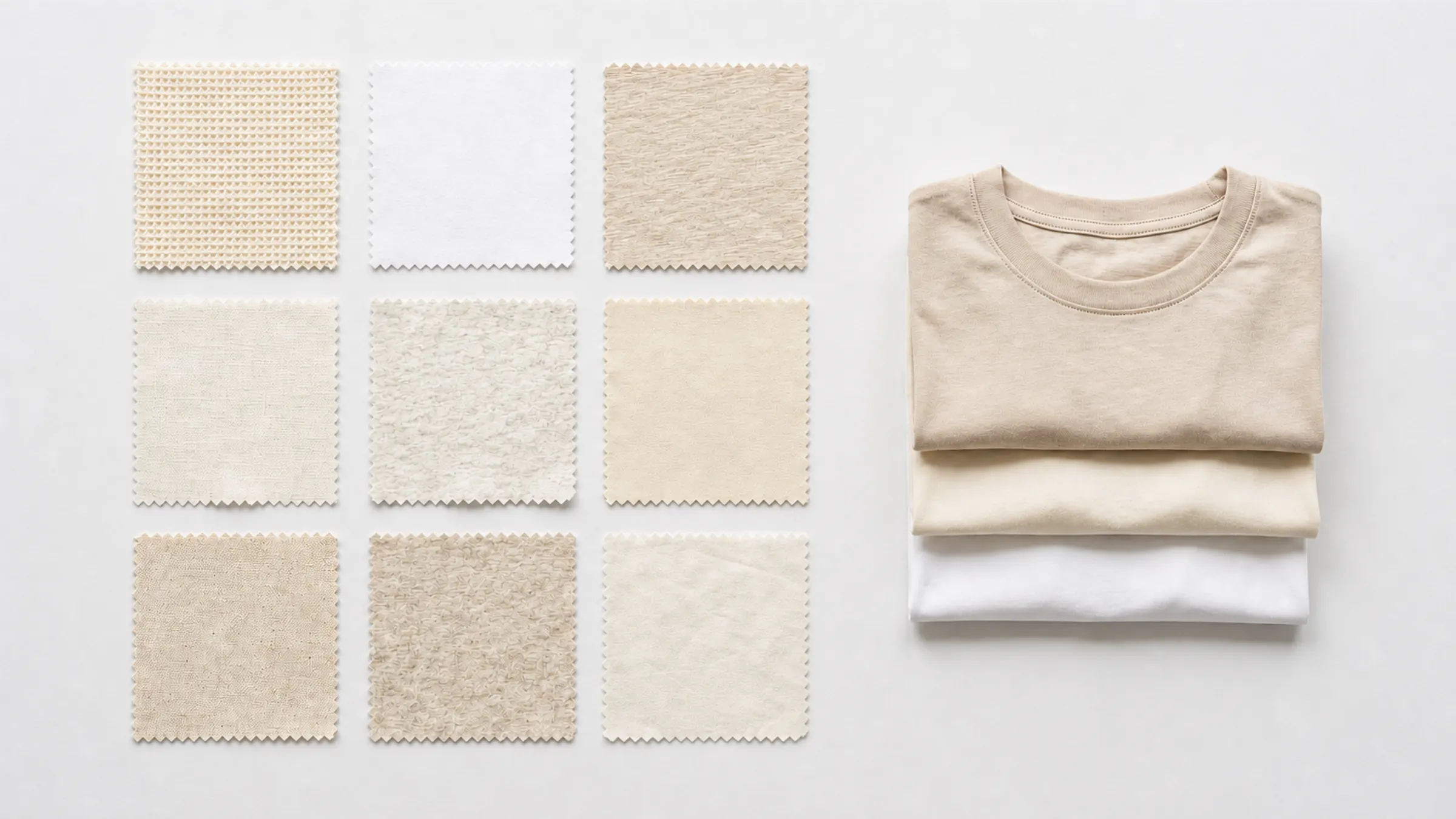
02 / Resolve materials
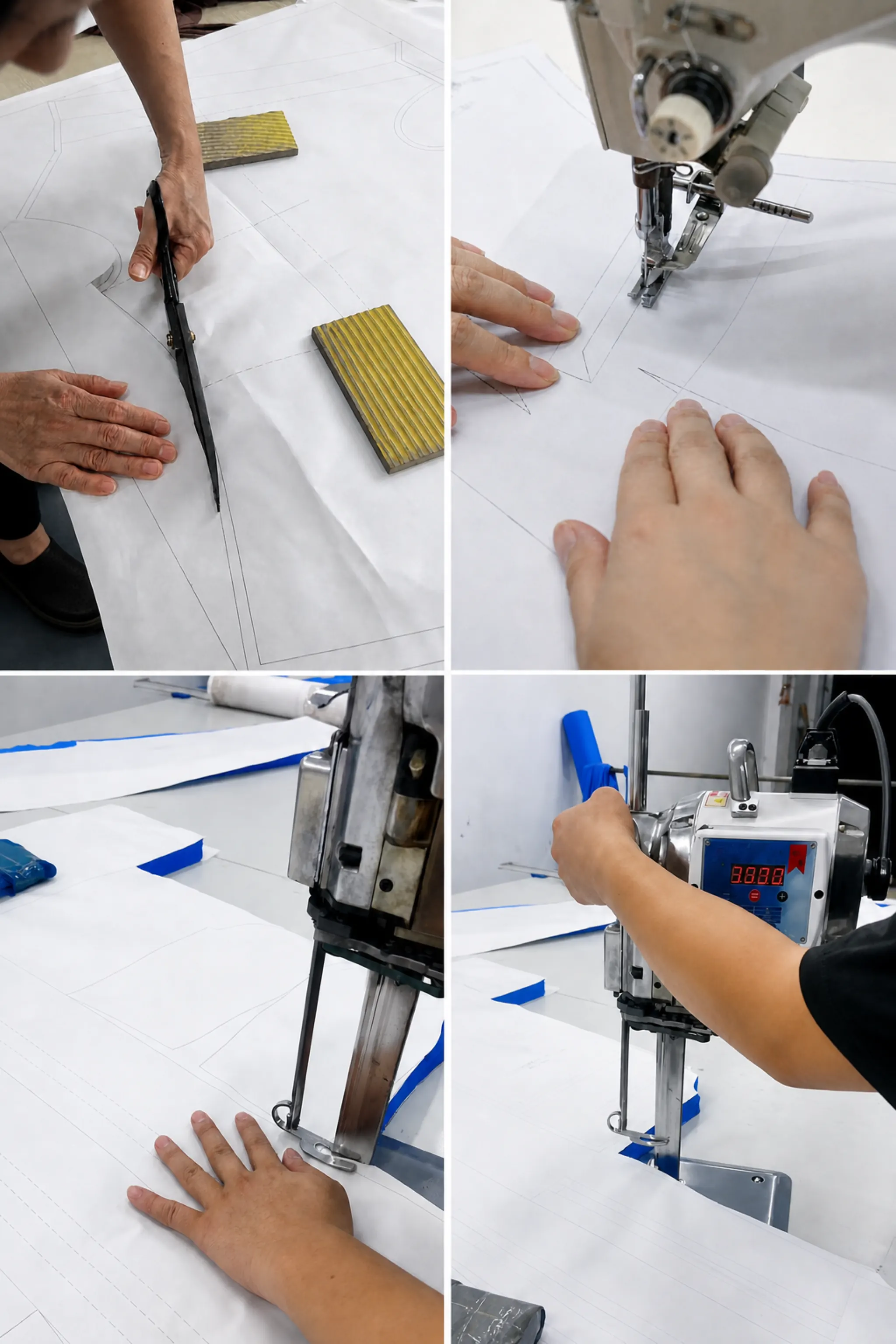
03 / Develop the pattern
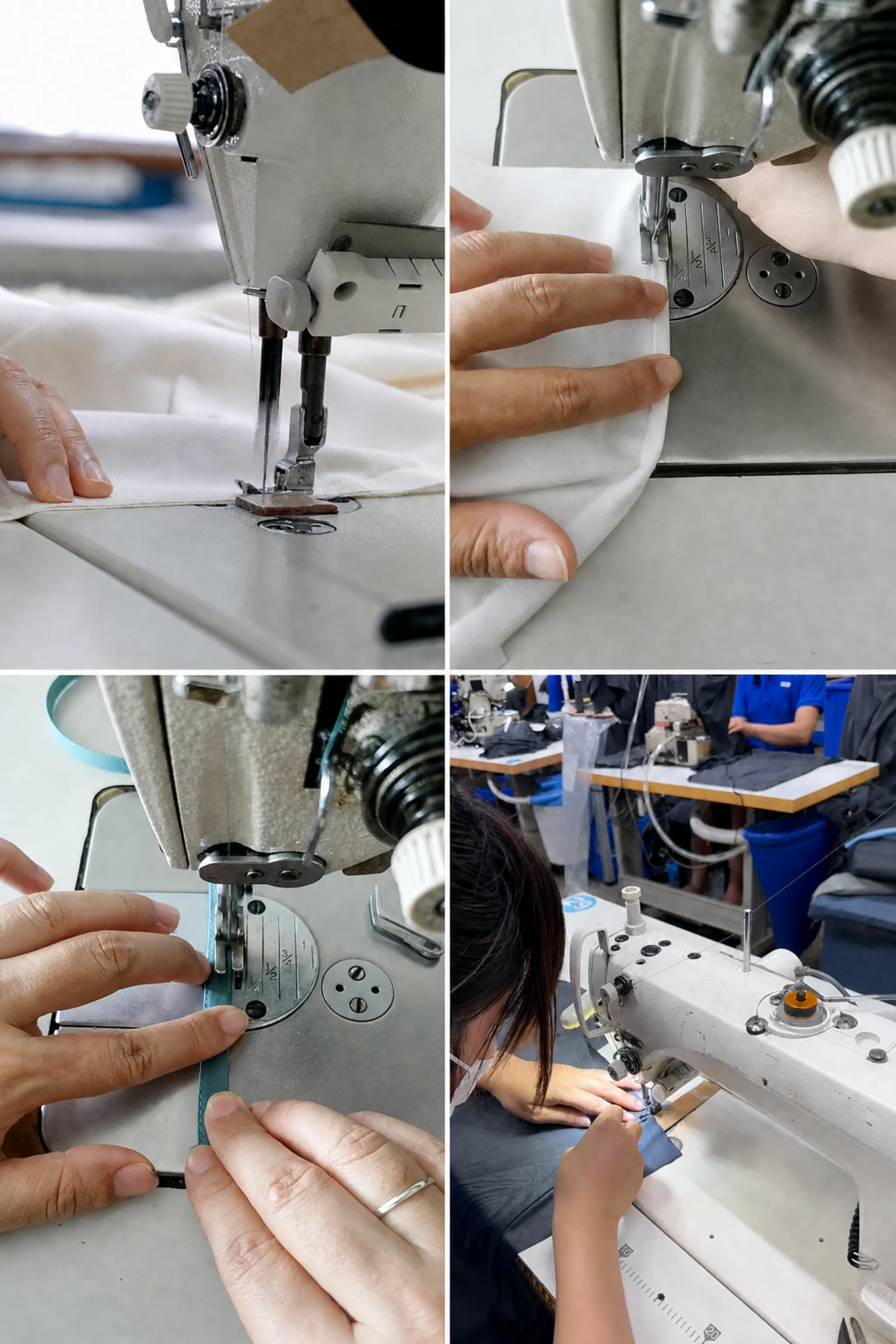
04 / Sew the sample
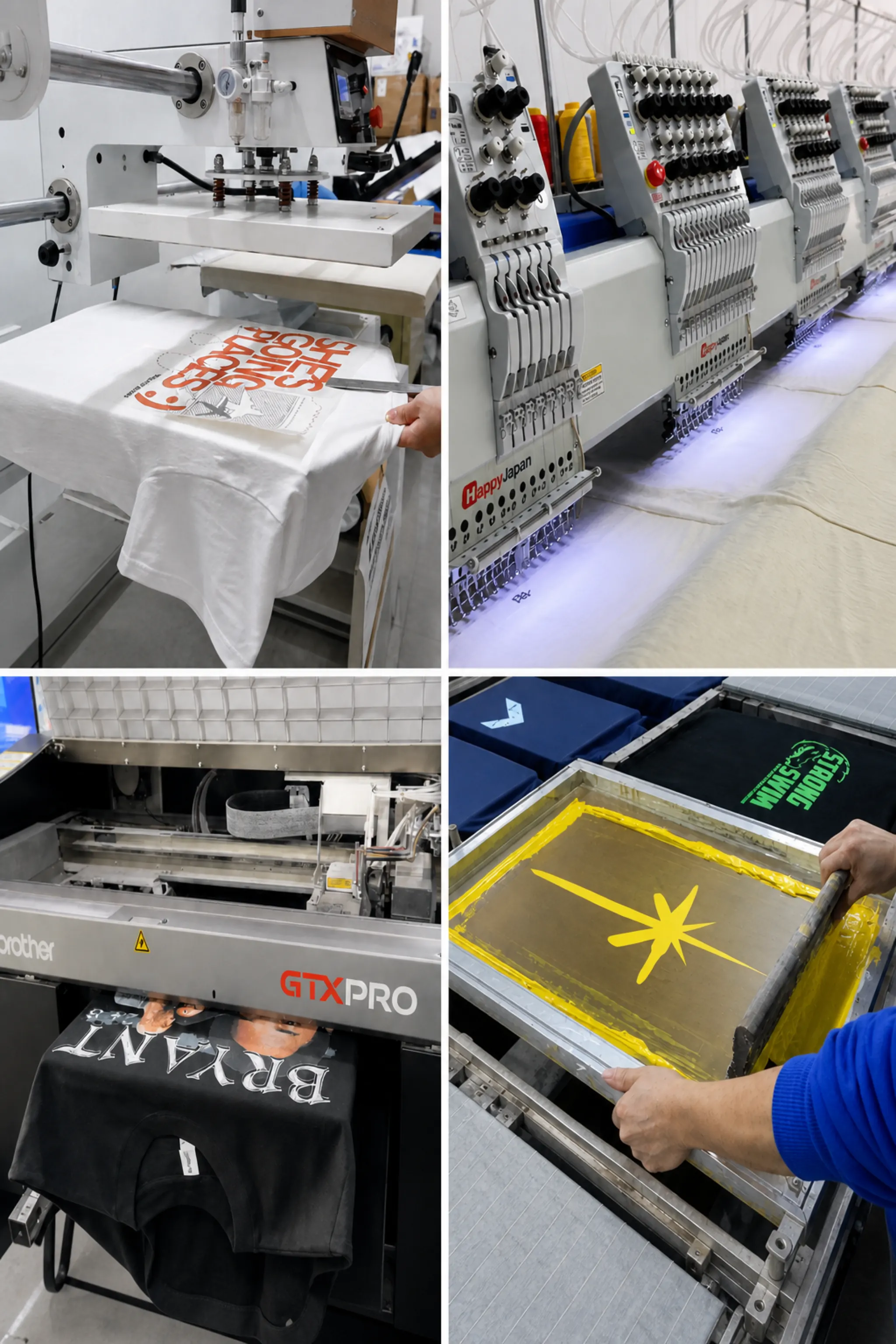
05 / Apply branding
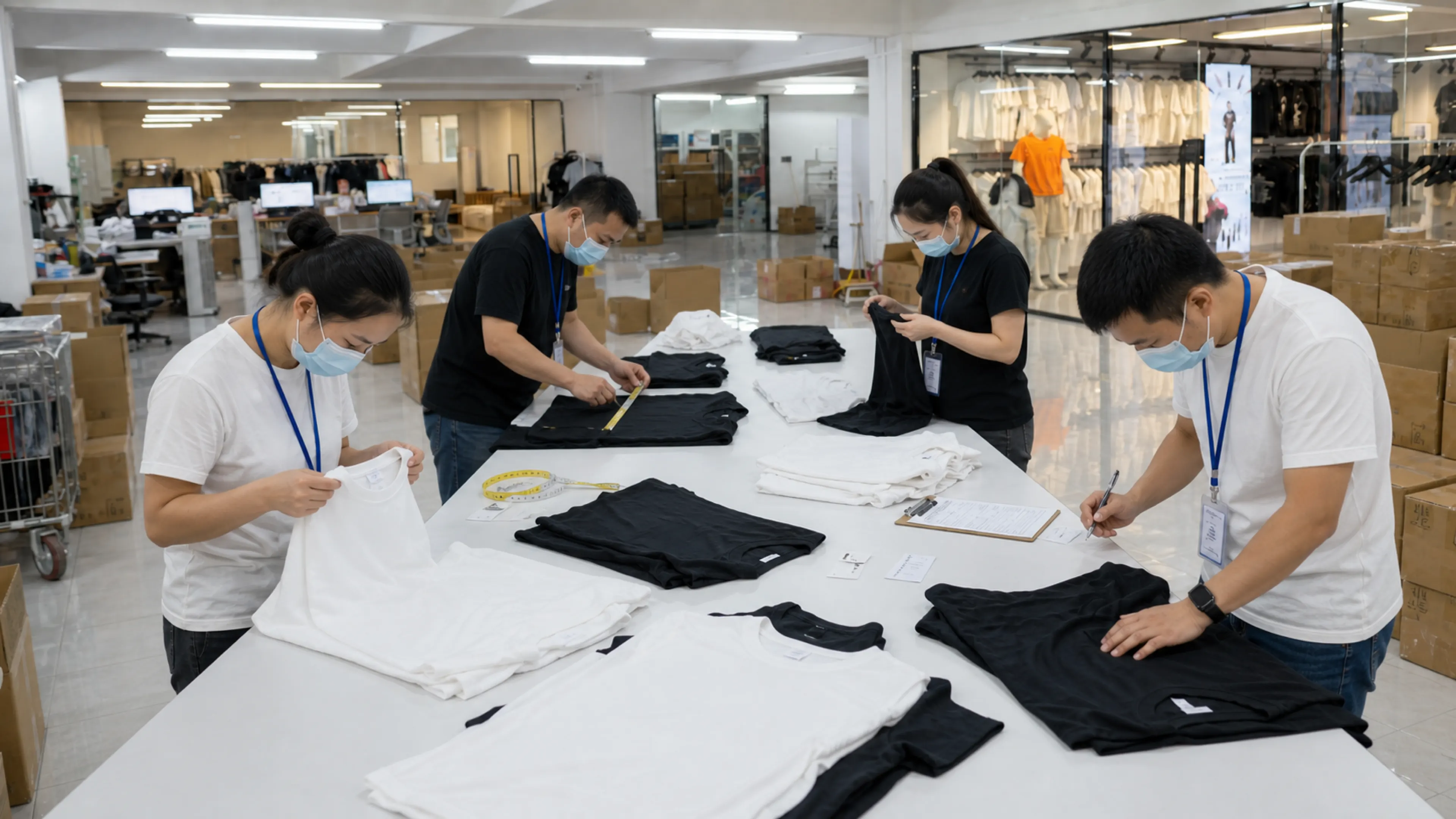
06 / Approve and produce
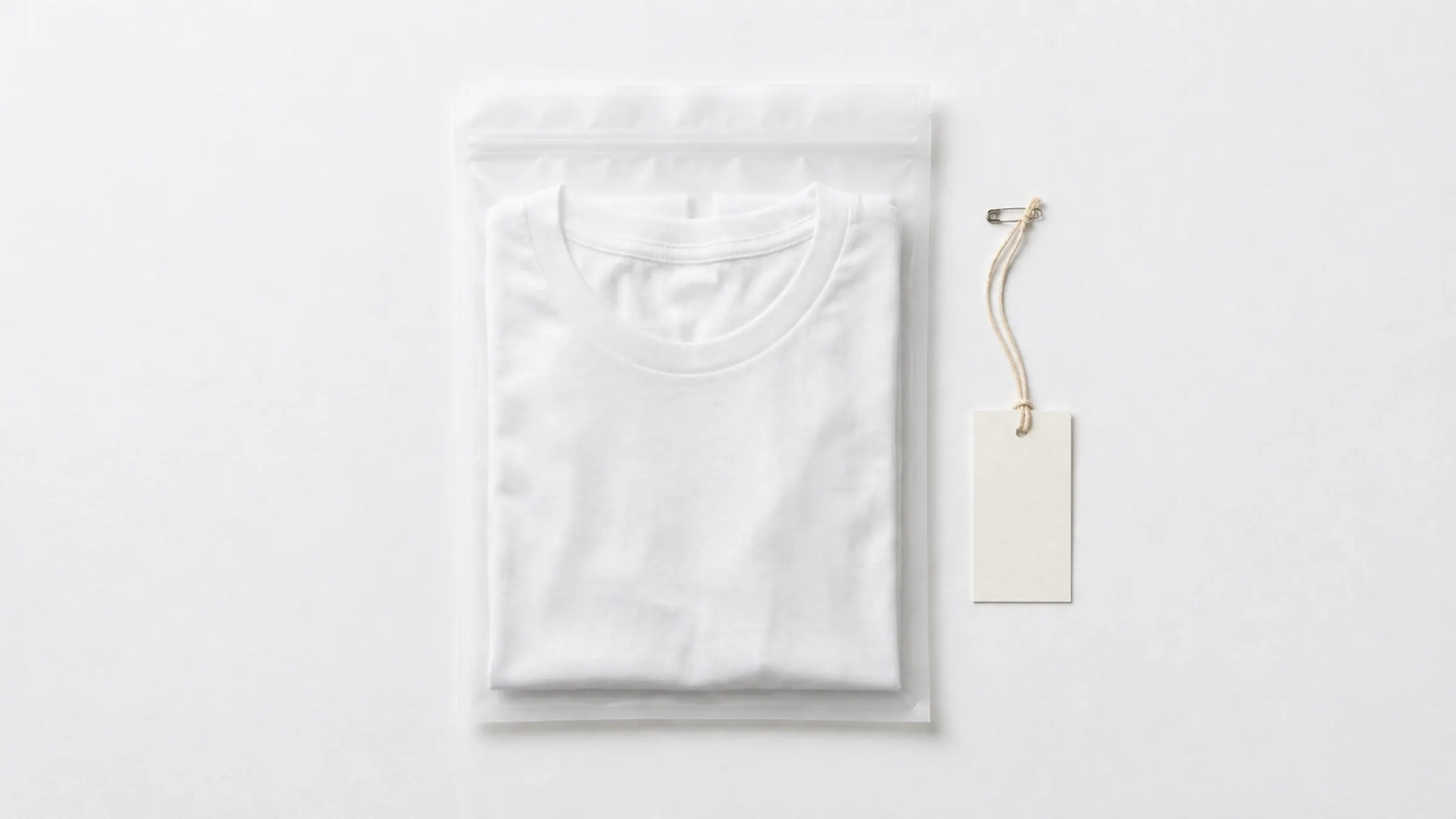
07 / Finish and hand over
T-shirts and hoodies are core routes; selected sweatshirts, jackets, pants, shorts, denim, shirts, uniforms and matching sets can be reviewed from the actual brief.
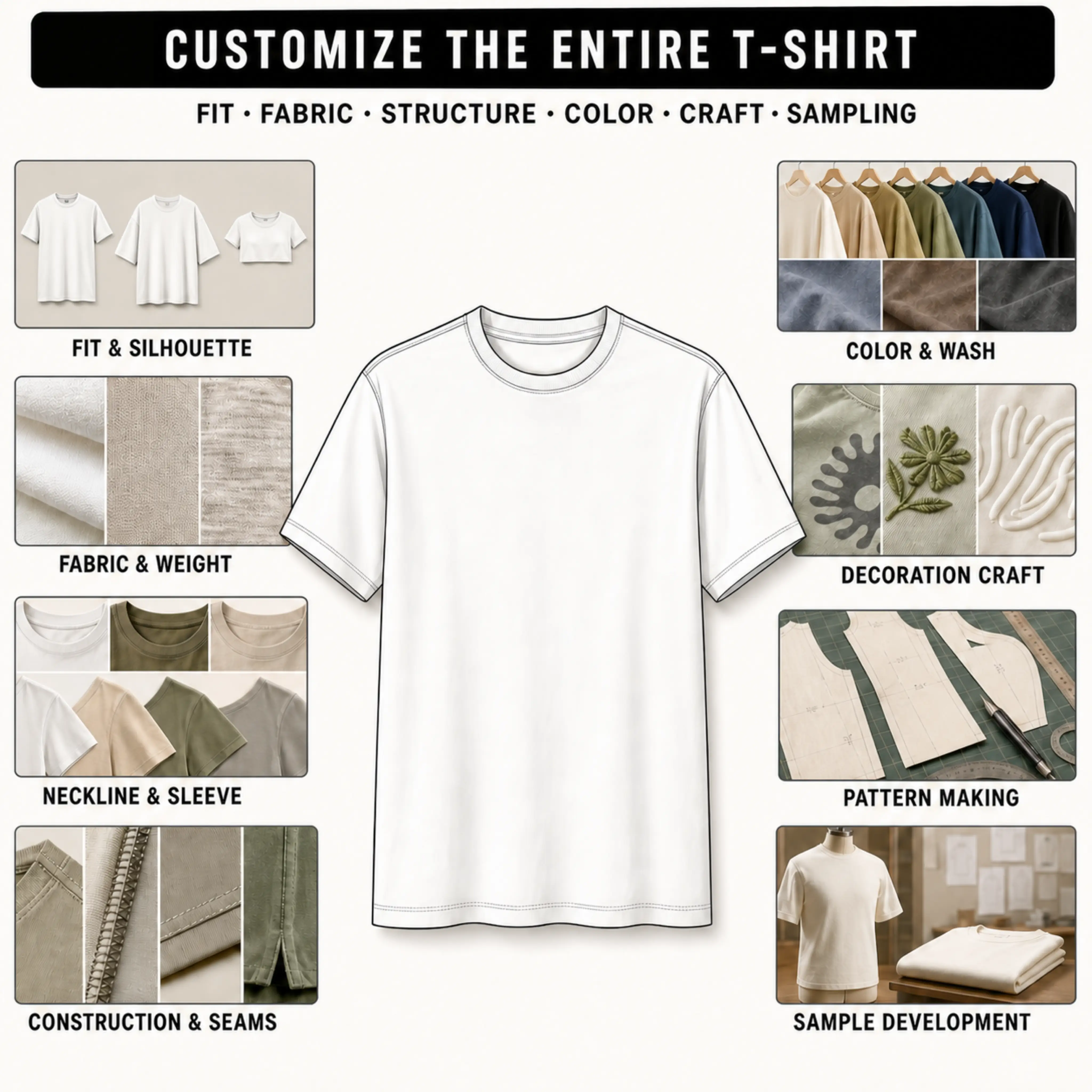
Develop silhouette, neckline, sleeve, fabric, GSM, seams, wash and decoration around an original T-shirt brief.
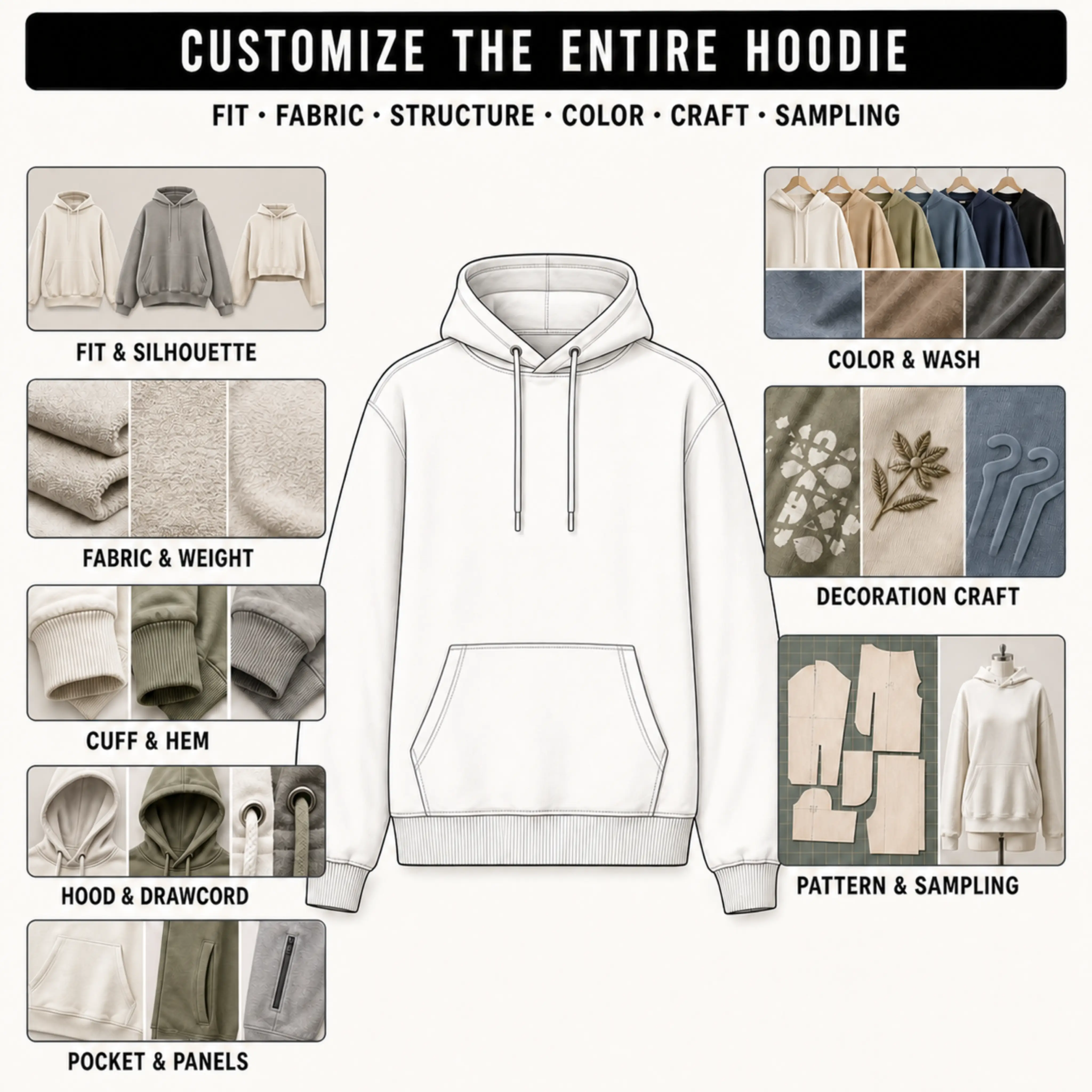
Resolve hood shape, body volume, fleece structure, rib, pocket, hardware and decoration through physical samples.
Explore custom hoodie manufacturingOther categories are reviewed for construction, materials, equipment and project scope instead of being presented as a fixed catalogue. Review the dedicated custom jeans manufacturing page for denim-specific fit, wash and hardware decisions.
Planning a first small-batch programme? Review the startup manufacturing route
For a streetwear collection, connect fit, material, surface decoration and finishing through custom streetwear manufacturing.
Fit, materials, construction, decoration and inspection should refer back to one accepted product record.
Translate references, sketches or a tech pack into a development route with clear open decisions.
Review composition, knit or weave, GSM, hand feel, colour process and intended performance together.
Develop fit, measurements and construction through traceable sample revisions before bulk approval.
Plan cutting, assembly, trims and production details around the approved pattern and specification.
Coordinate printing, embroidery, washing, labels and packaging with the garment itself.
Use agreed criteria and approved references for in-line and final inspection.
Connect the garment route with private-label production, screen printing, embroidery and 3D puff printing only where the approved product requires them.
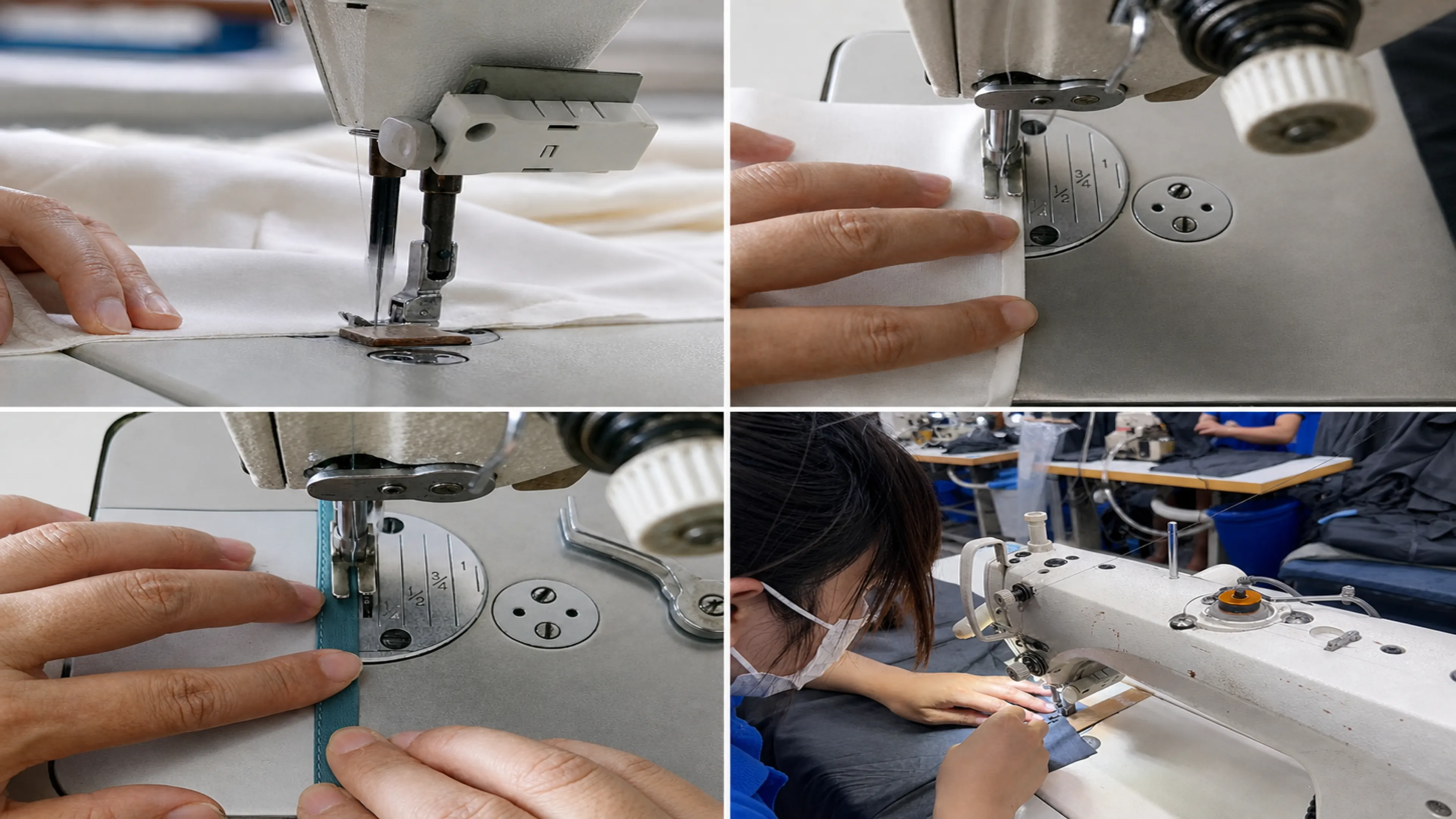
The finished direction can combine an original silhouette with selected fabric, decoration, labels, hangtags and packaging. Every element should correspond to the accepted sample and specification.
MOQ remains project-specific because fabric, colour, trims, construction and production planning change the practical range.
See factory capabilityDRIOV has supported apparel projects for more than 500 brands, from small independent labels to larger apparel businesses. Customer names, designs, quantities and technical details remain confidential unless publication is approved.
Use the process and factory evidence to assess capability, then confirm feasibility against the actual brief.
Buyer questions
Start with the garment type, design references, fit direction, material expectations, branding details, target quantity, destination market and timing. A complete tech pack helps, but DRIOV can also review clearly marked sketches, measurements or a reference garment.
Yes. The starting material can be reviewed and translated into open decisions for fit, pattern, fabric, construction, trims and decoration. Sampling is used to resolve and approve those decisions before bulk production.
No. The practical order range depends on fabric, colour, trims, construction, decoration and production planning. DRIOV reviews the actual brief before confirming feasibility.
Fit, measurements, materials, construction, decoration and presentation are reviewed against the physical sample and written specification. Bulk production should begin only after the agreed approval record is clear.
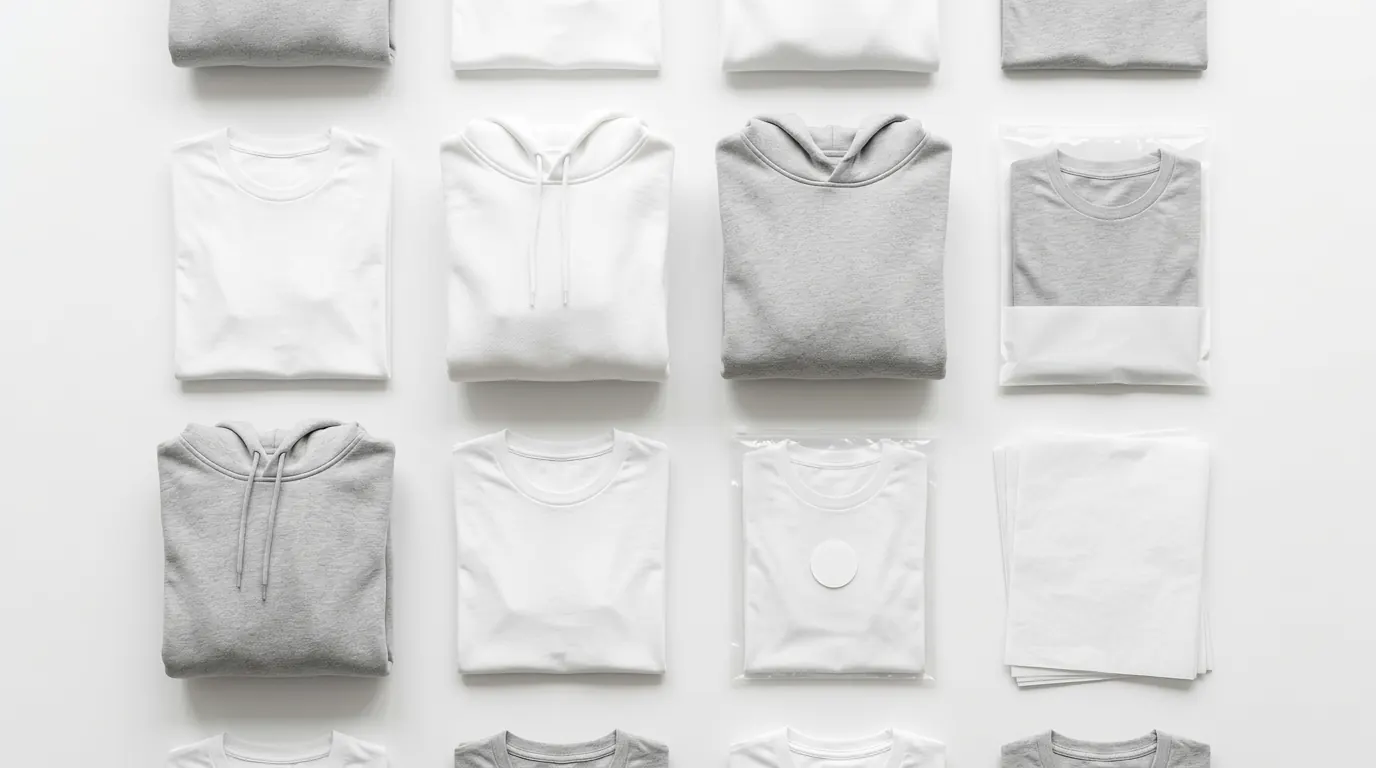
When an existing garment already fits
Add printing, embroidery, labels and packaging without opening a full pattern-development route.
Explore blank apparel customization