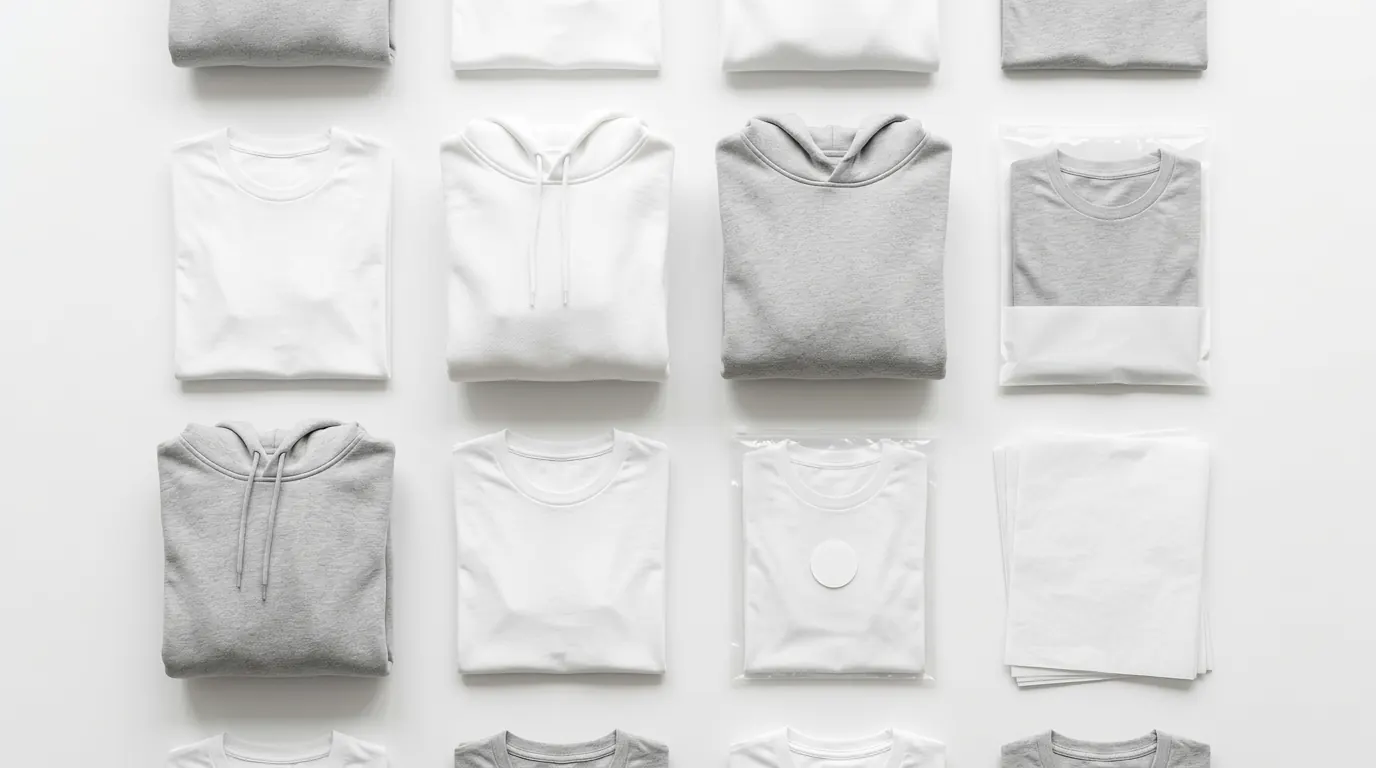
01 / Select the blank
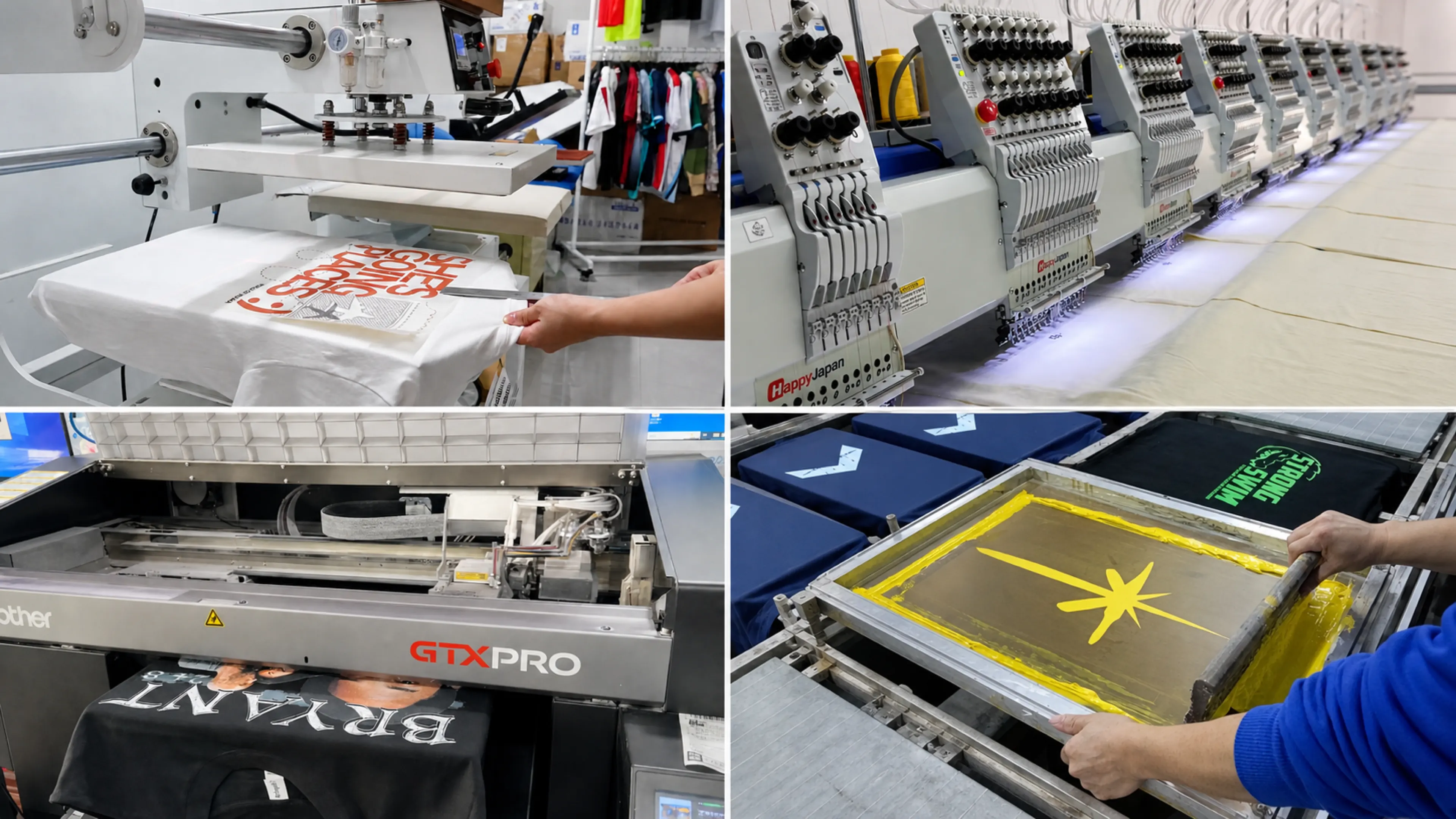
Use confirmed stock when it fits the programme, or produce an approved blank to plan; then add printing, embroidery, private labels and packaging without reopening the base garment.
Blank apparel customization starts with a developed garment style and adds brand-specific decoration or finishing. The garment may come from confirmed available stock or be produced to programme; in both cases, the base pattern, fit, fabric and construction remain substantially unchanged.
It is different from full custom clothing manufacturing. If shoulder shape, measurements, panels, fabric construction or garment engineering must change, a cut-and-sew development route is more appropriate. DRIOV reviews garment availability or production, artwork, labels, packaging and destination information together before confirming feasibility.
Choose the developed garment first, then keep artwork, labels and packing details aligned through approval and inspection.
01 / Select the blank
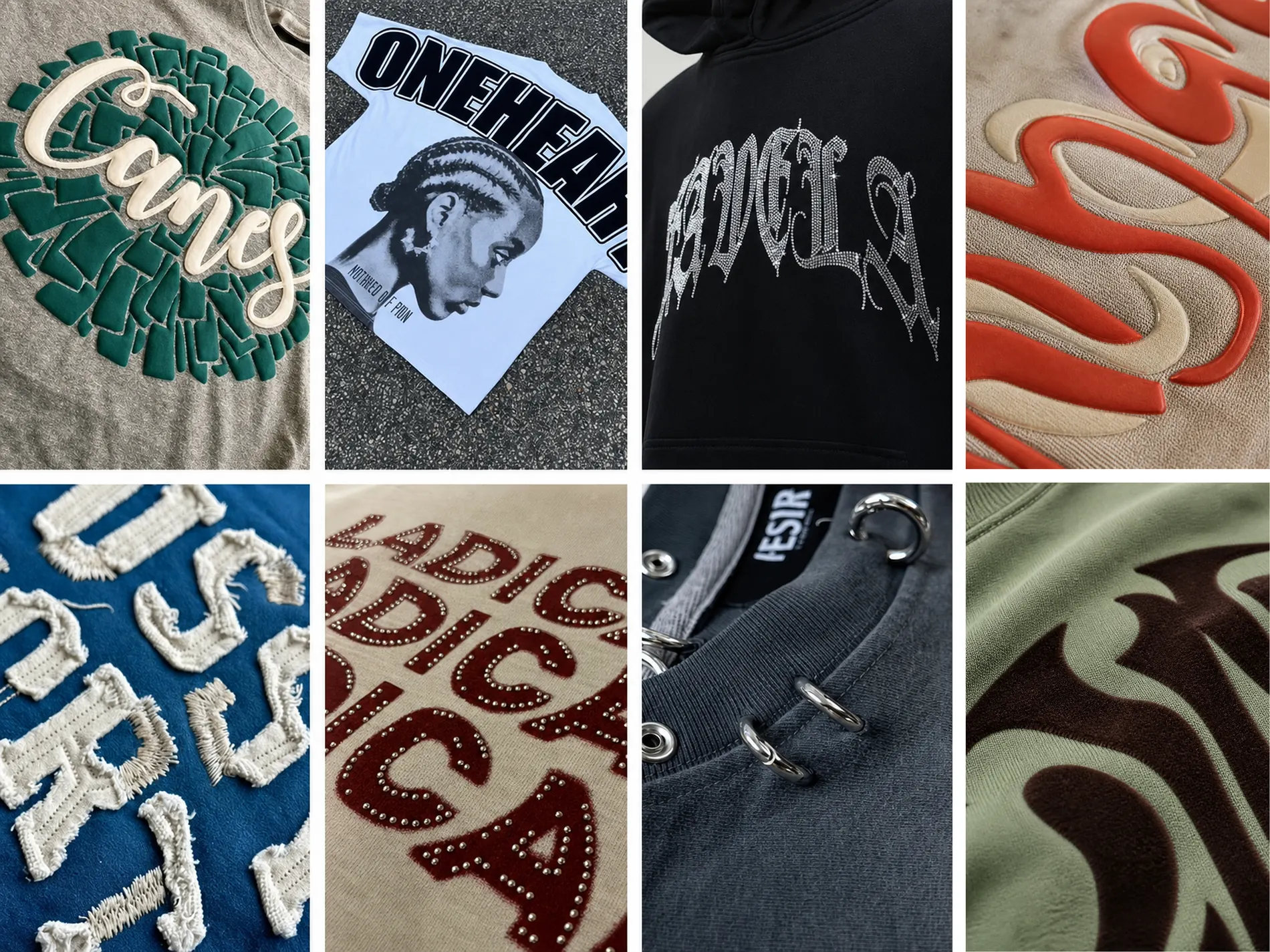
02 / Plan decoration
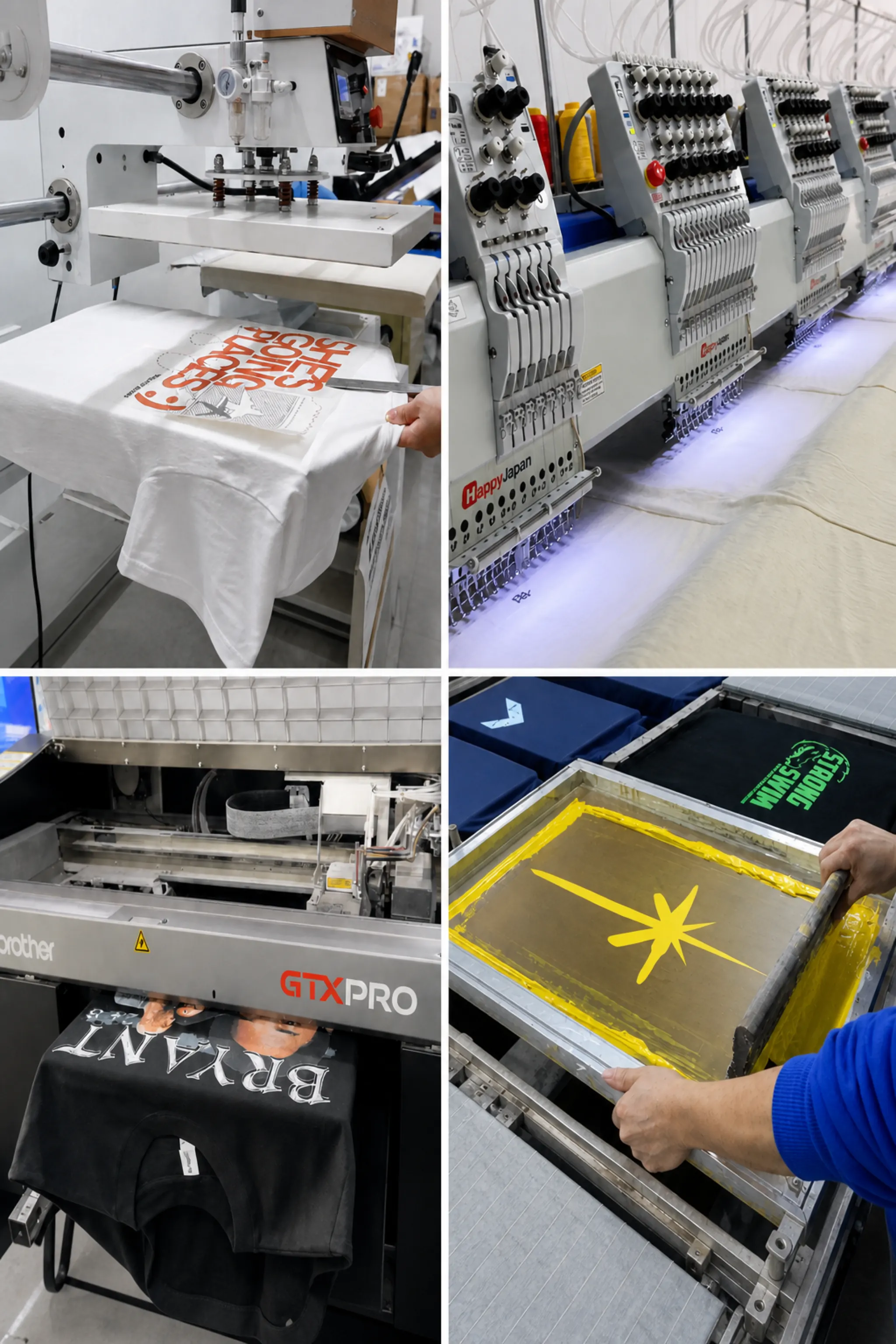
03 / Approve a sample
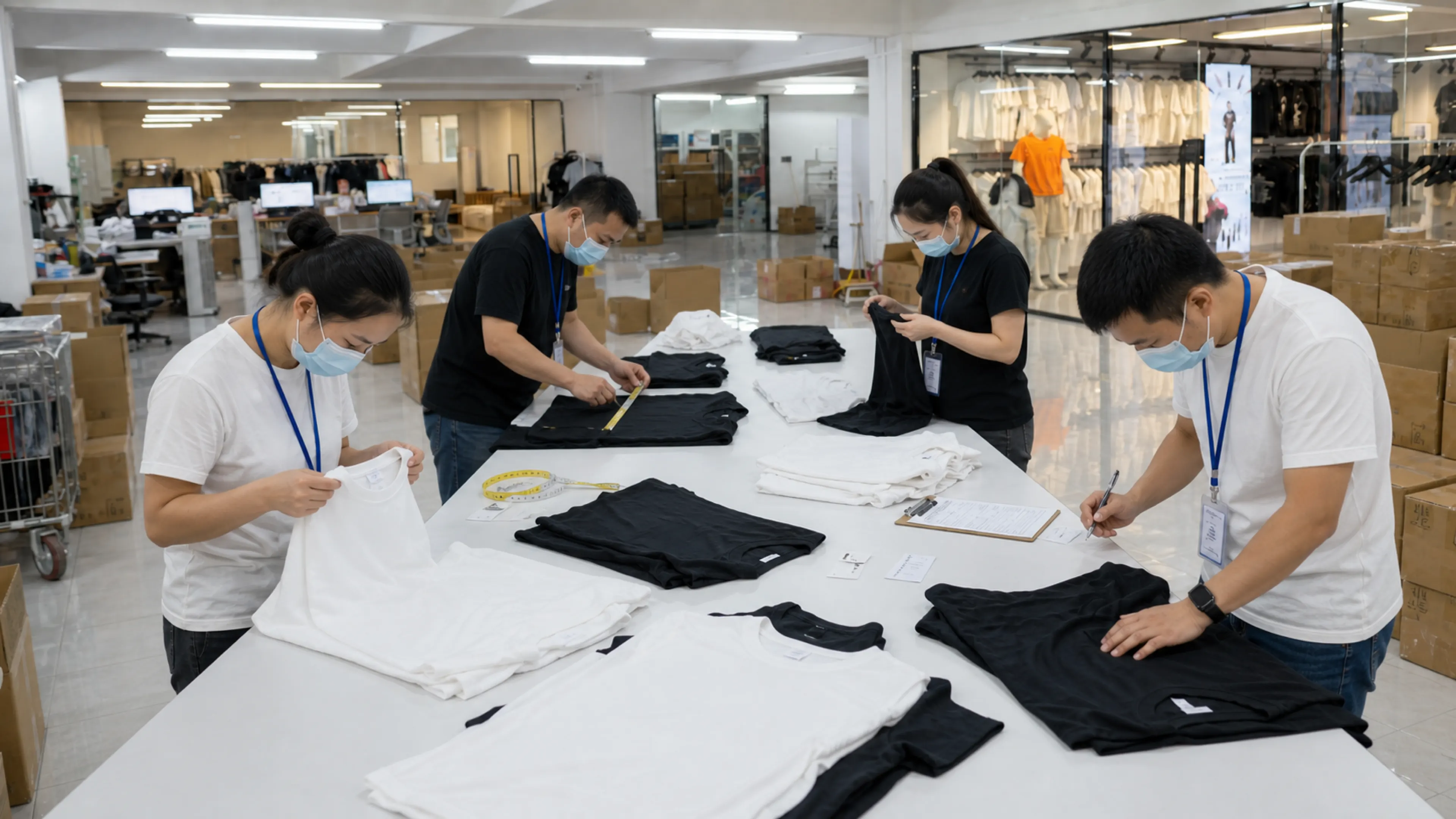
04 / Produce and inspect
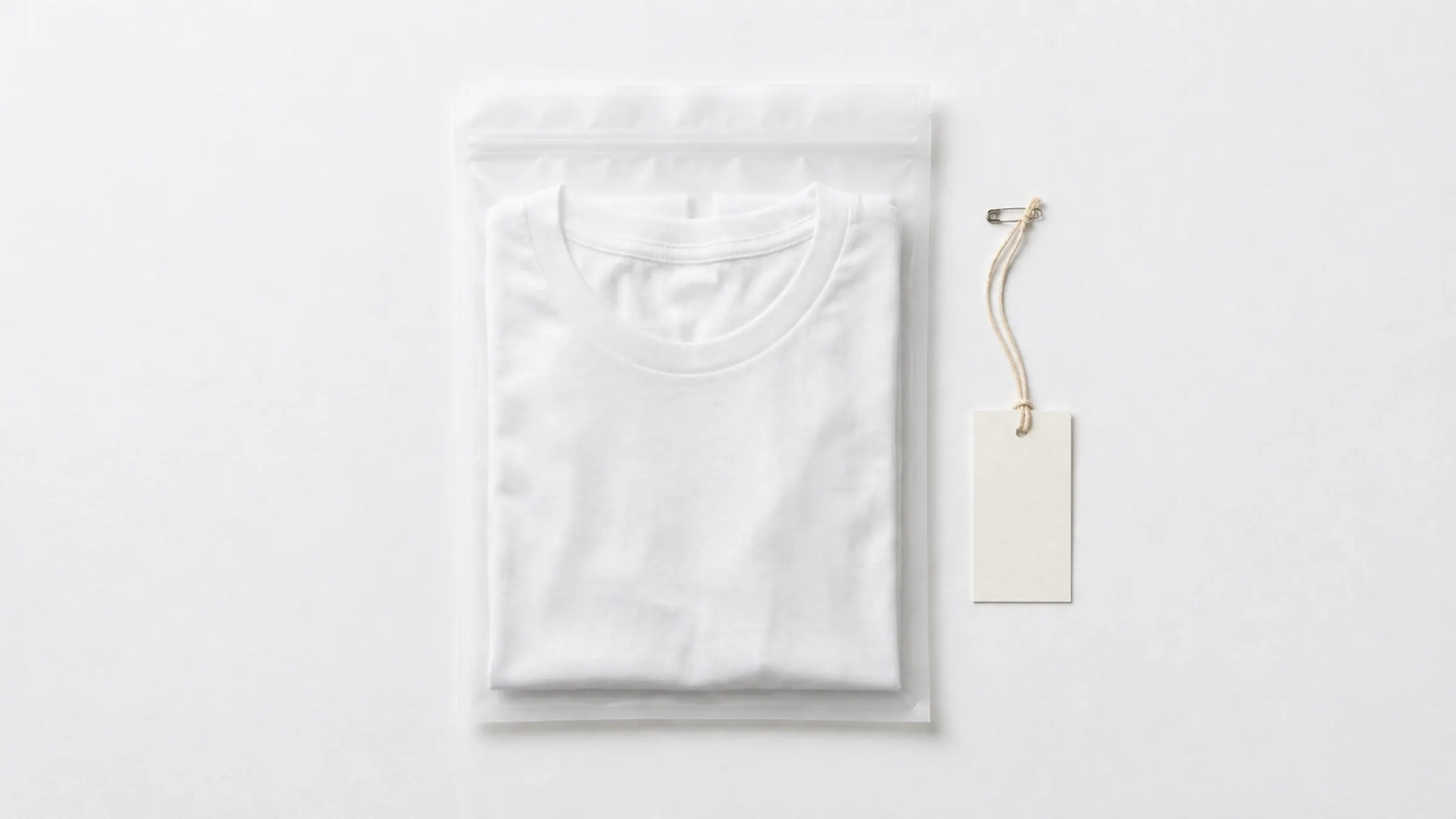
05 / Pack and hand over
Confirm silhouette, size range, fabric weight, colour and stock or production route before artwork is adapted.
Print, embroidery and heat-transfer choices depend on fabric stability, texture, placement and the required hand feel.
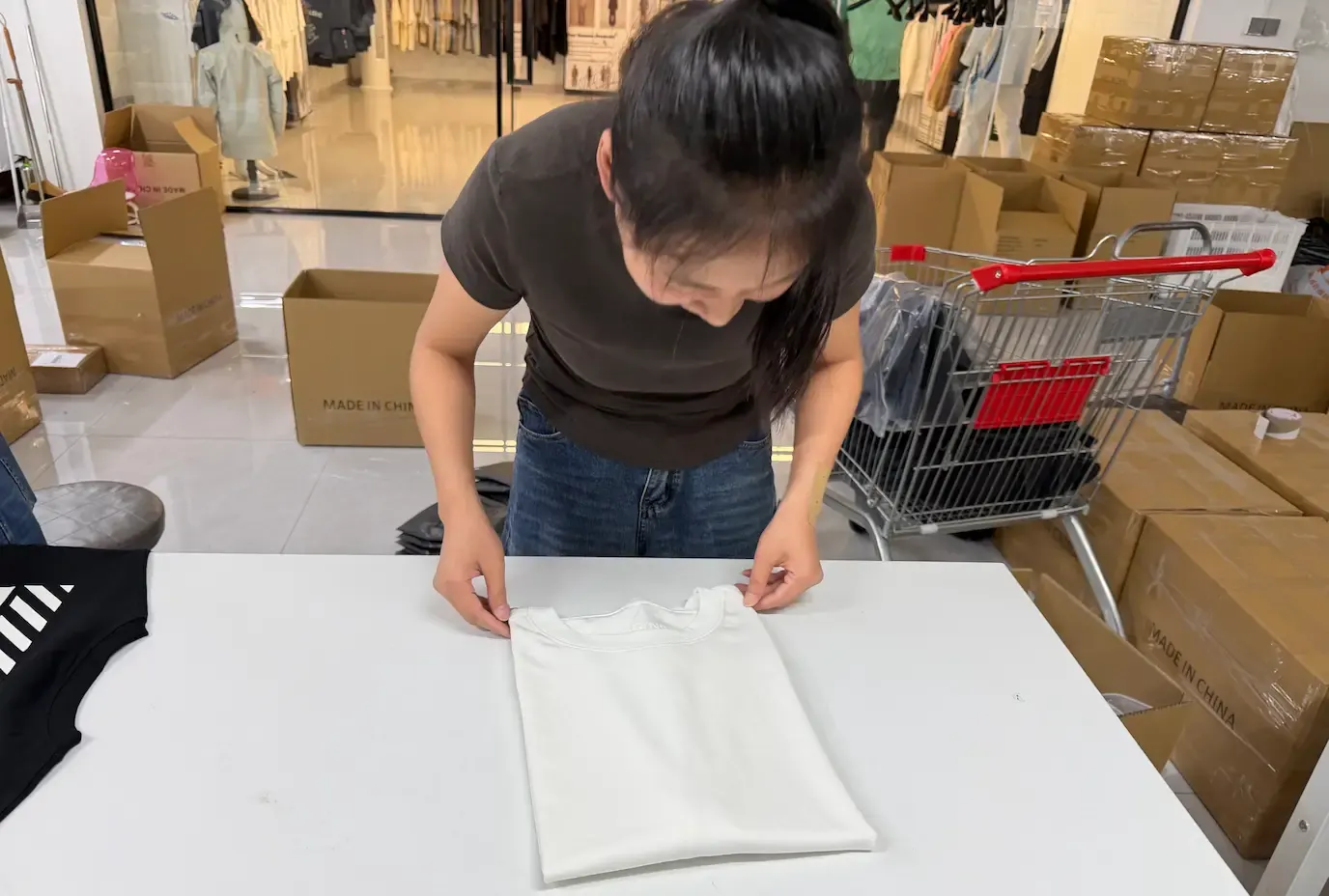
Keep garment reference, colour standard, artwork version, label position and packing instructions in one approval record.
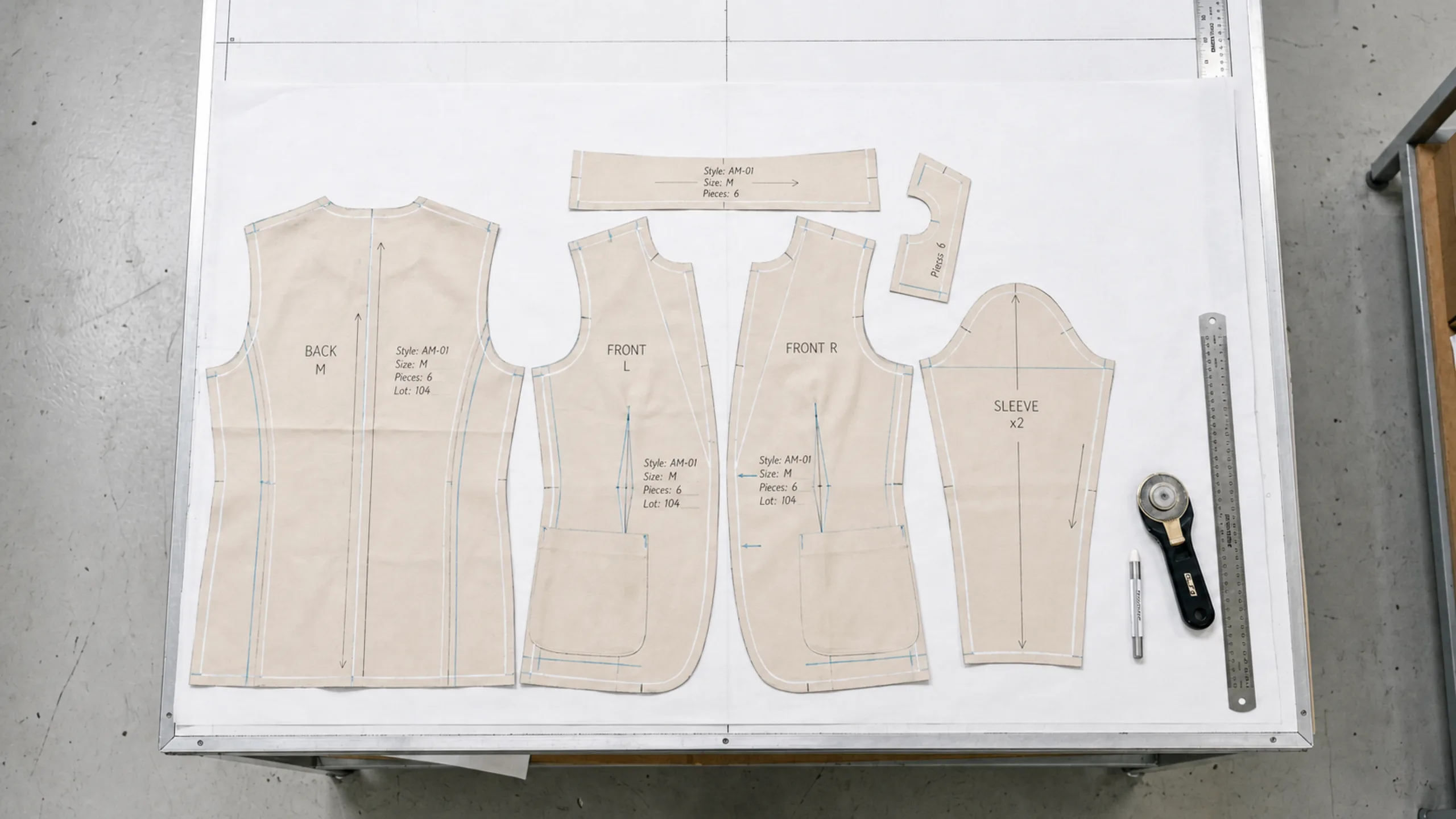
Need a different starting point?
Original measurements, pattern pieces, fabric construction, panels or seams need a sample-led cut-and-sew route.
Explore full custom clothing manufacturingUse a blank when an existing fit, fabric and construction already meet the brief and the main changes are printing, embroidery, labels or packaging. Use cut and sew when the garment itself must be redesigned.
Often, but the existing label construction must be checked first. Removal, cover-up, printed neck labels and replacement woven labels have different risks and should be approved on a sample.
There is no single website-wide MOQ. Quantity depends on stock availability or the production route, chosen garment, colours, decoration method, label or packaging minimums and production plan. Share a range so a practical route can be reviewed.
It may, provided the fabric, artwork and placement are compatible. Test large prints, dense embroidery and backing on the selected garment rather than assuming every decoration method produces the same result.