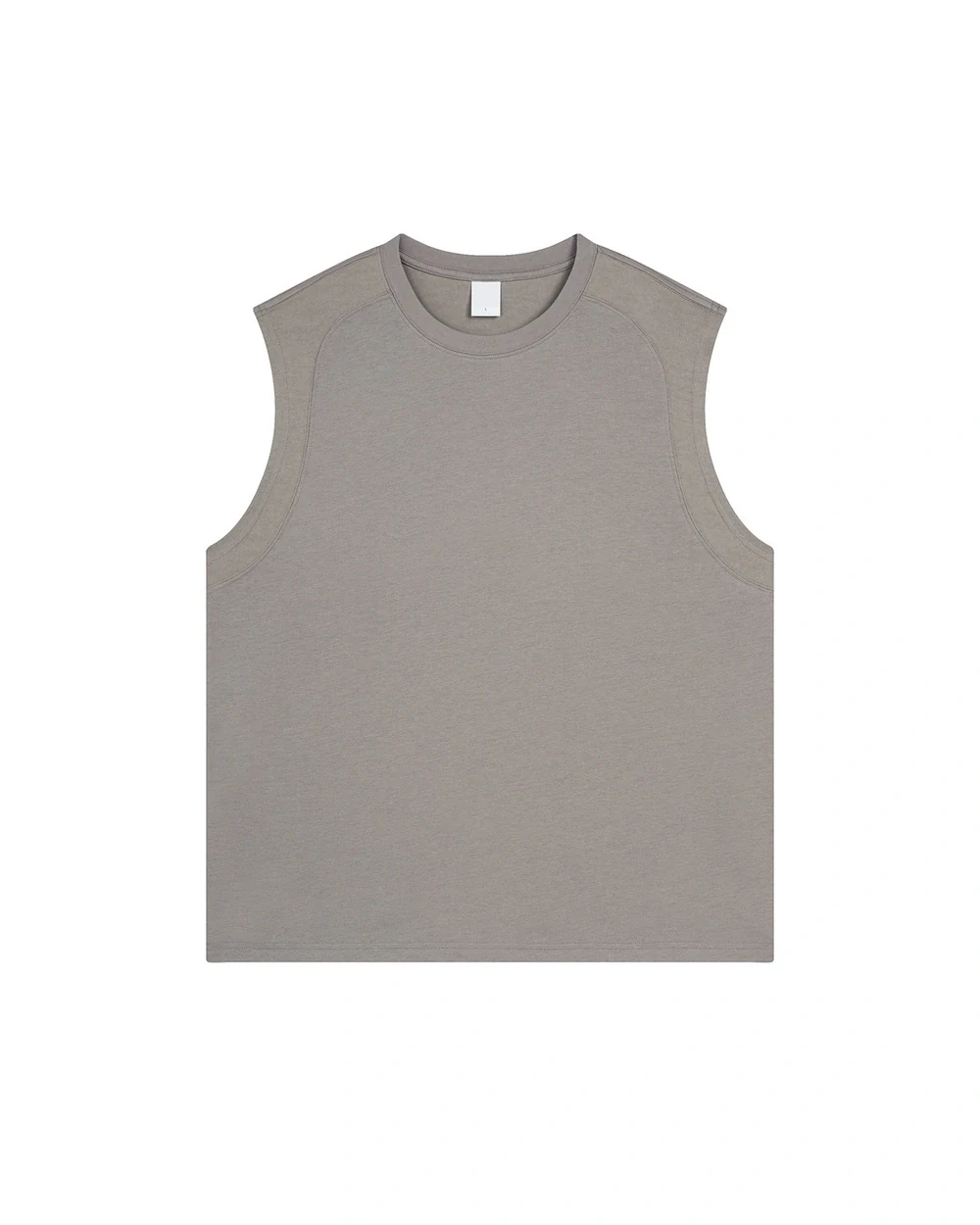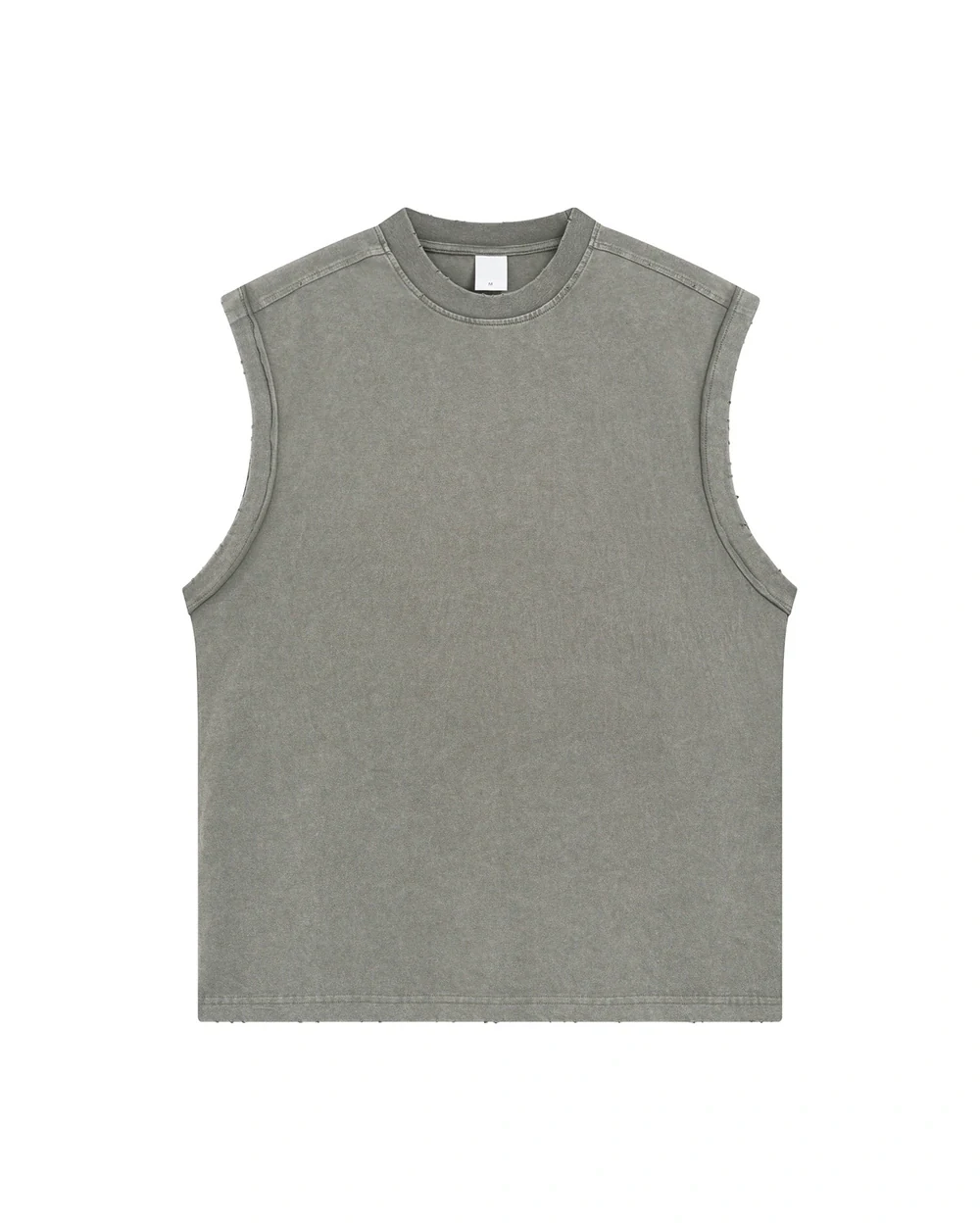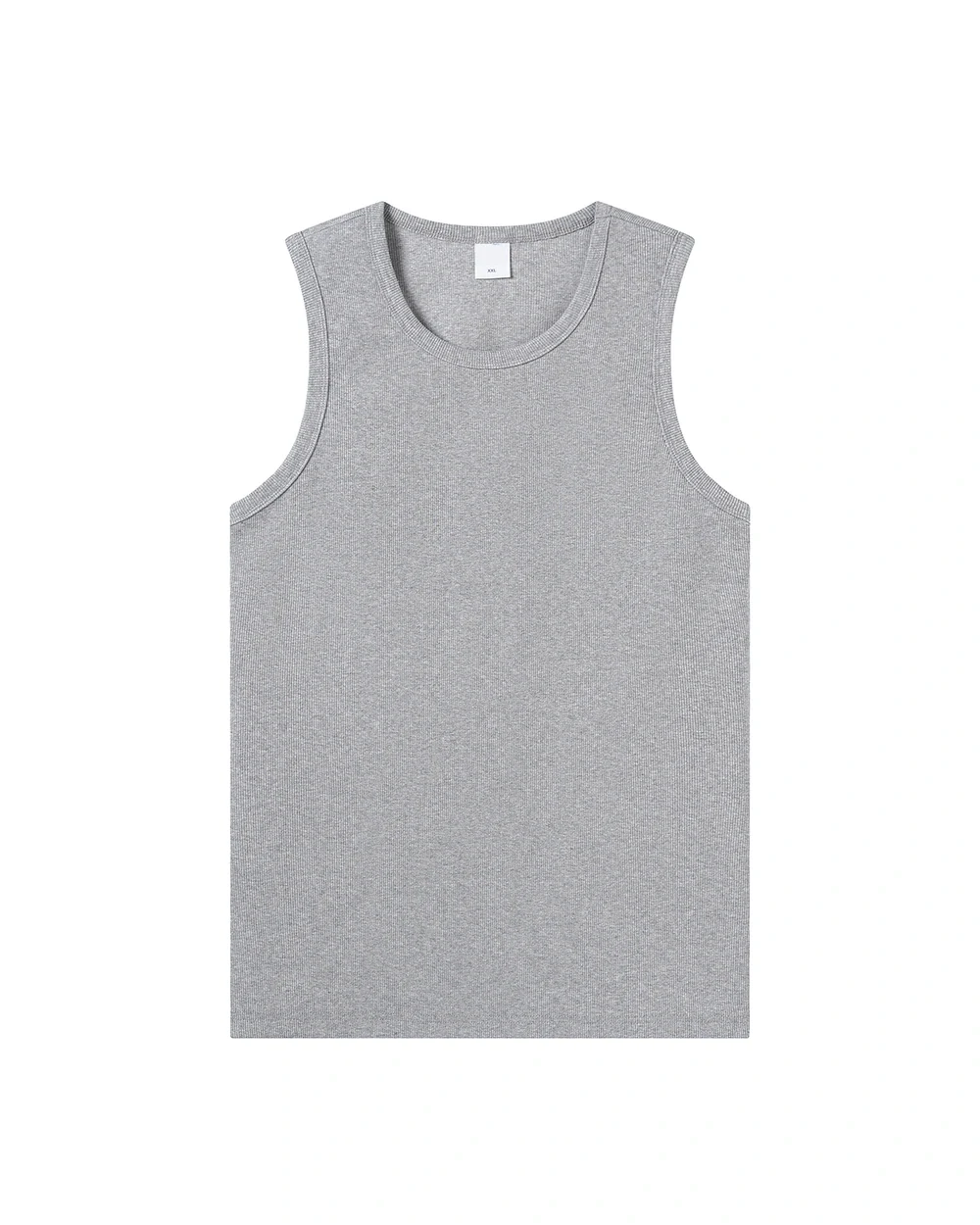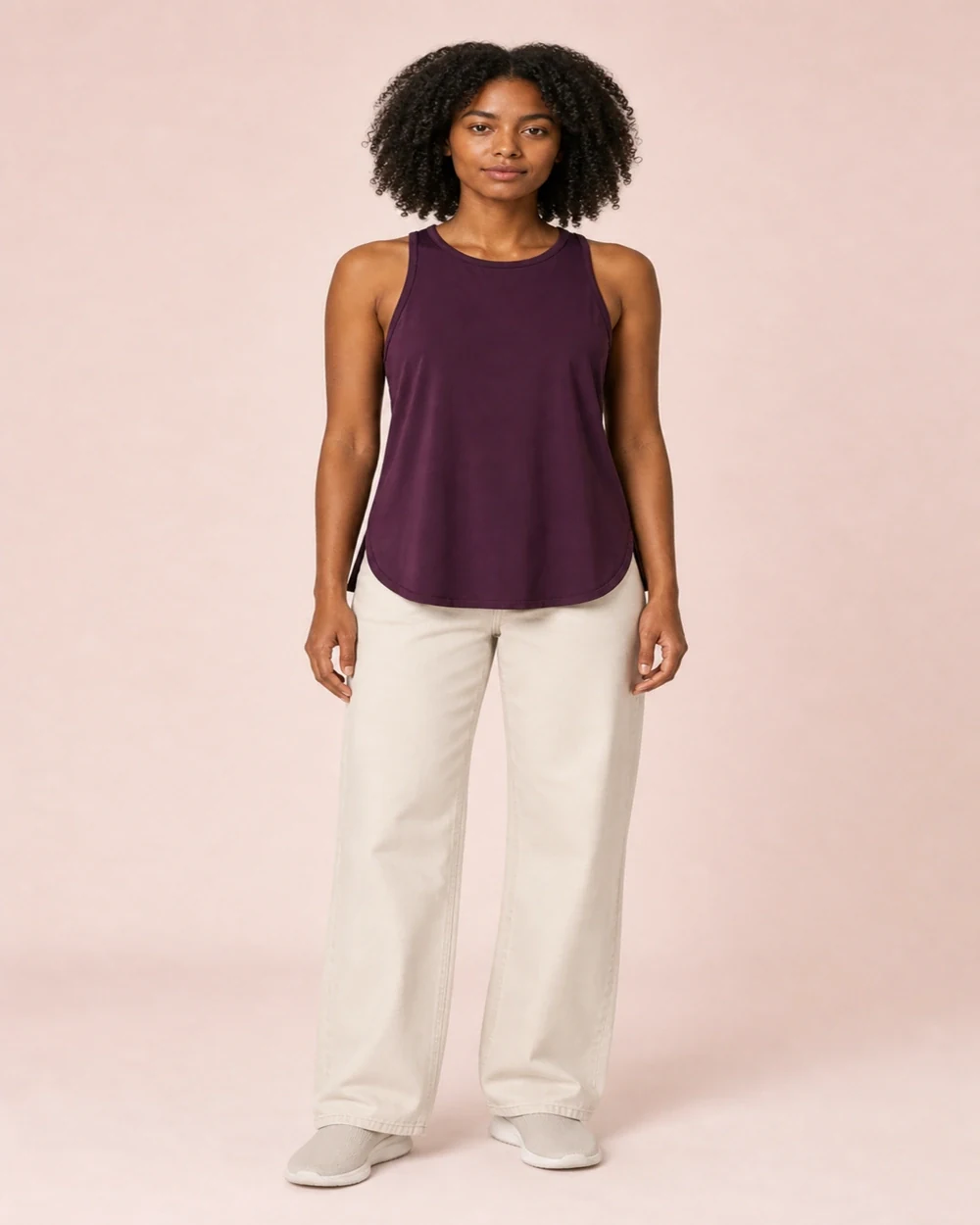
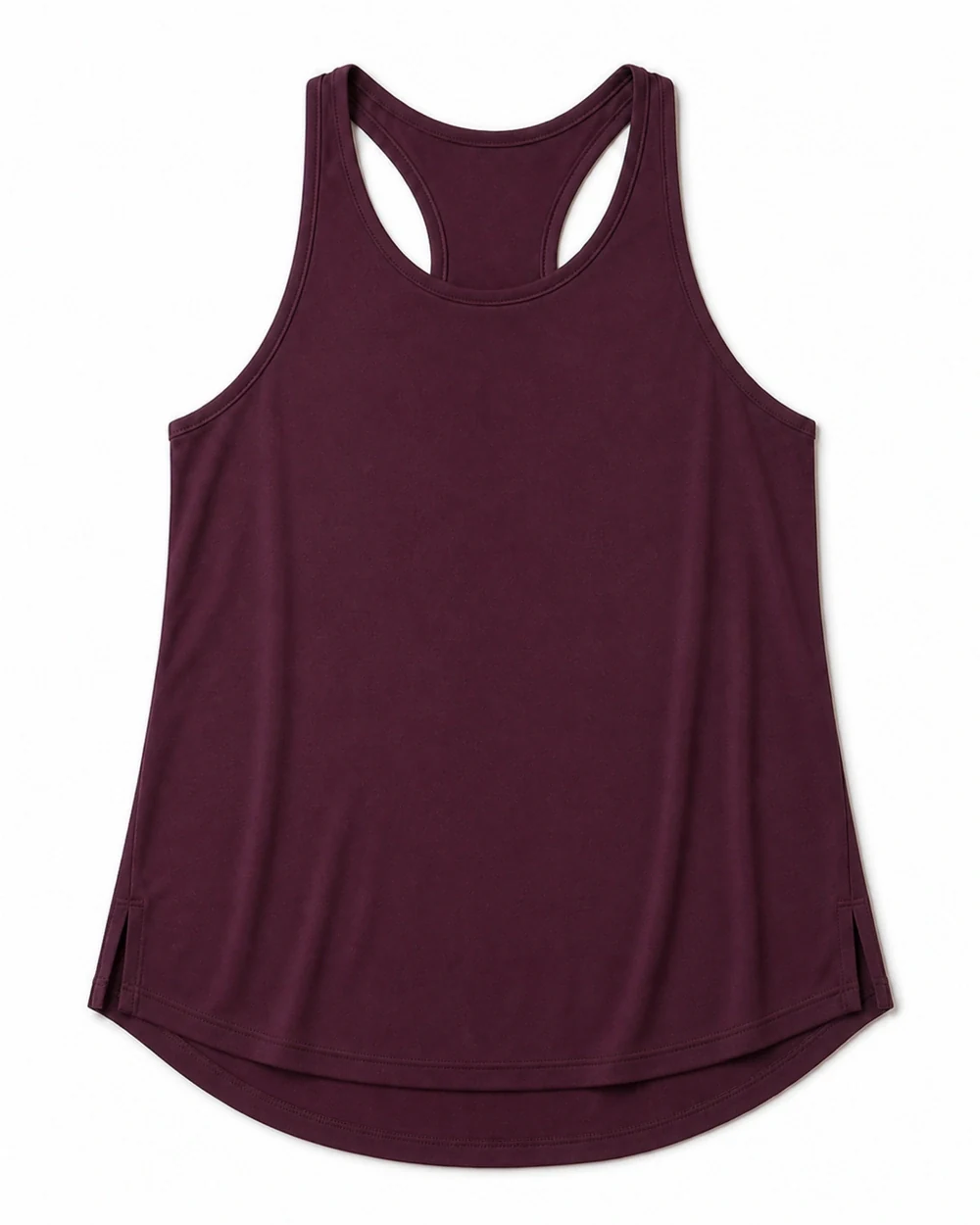
Deep PlumDusty BlueBlackSoft Stone
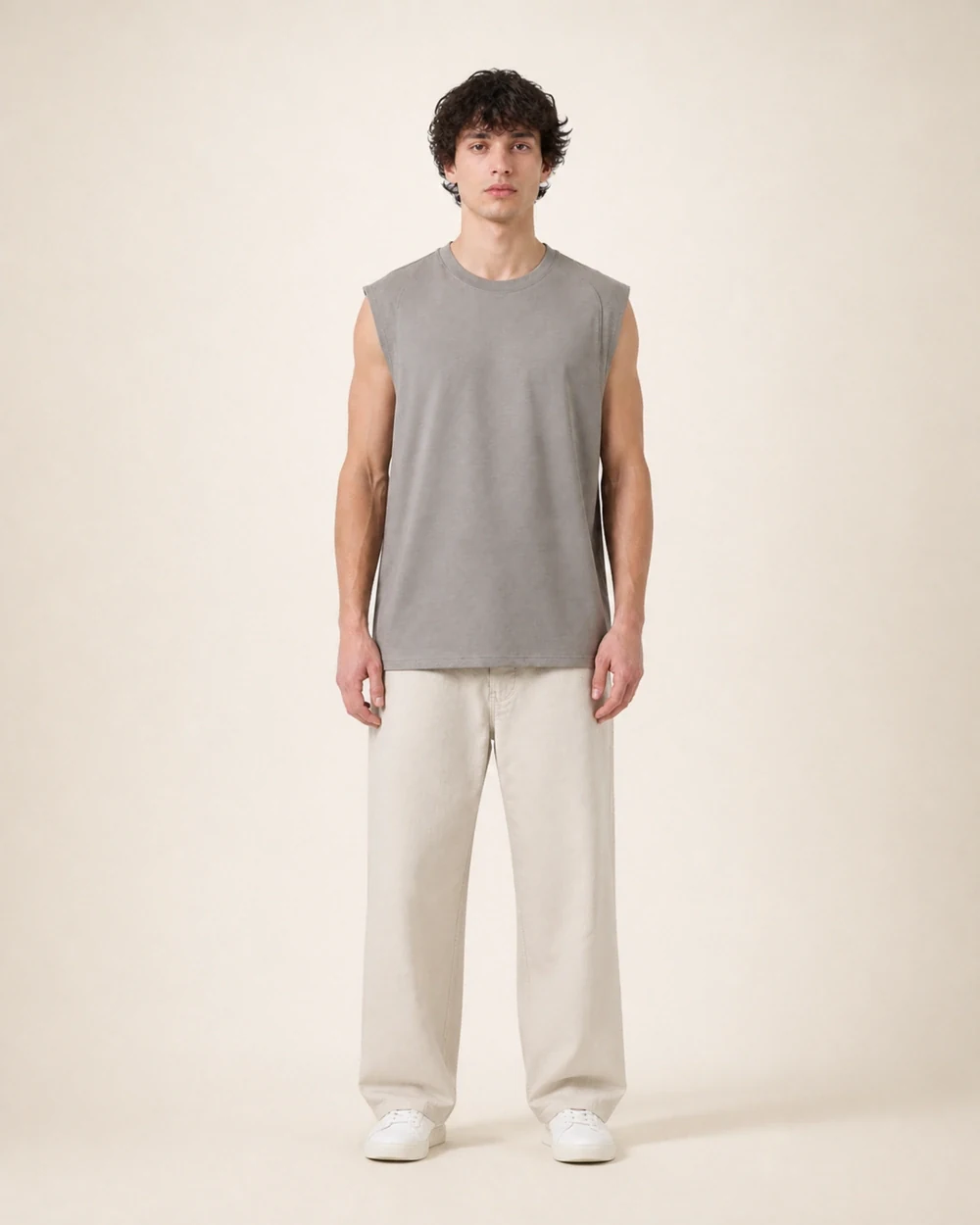
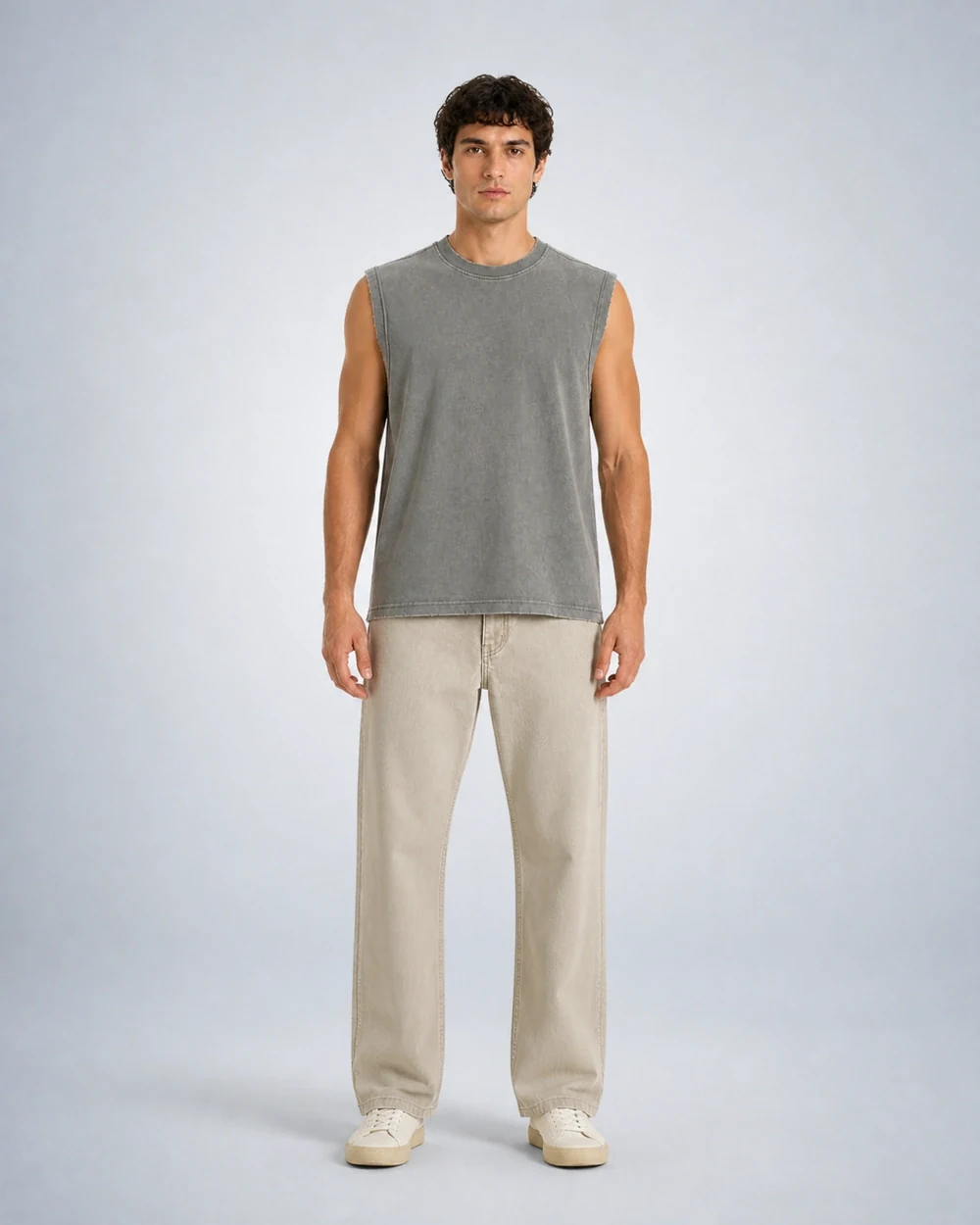
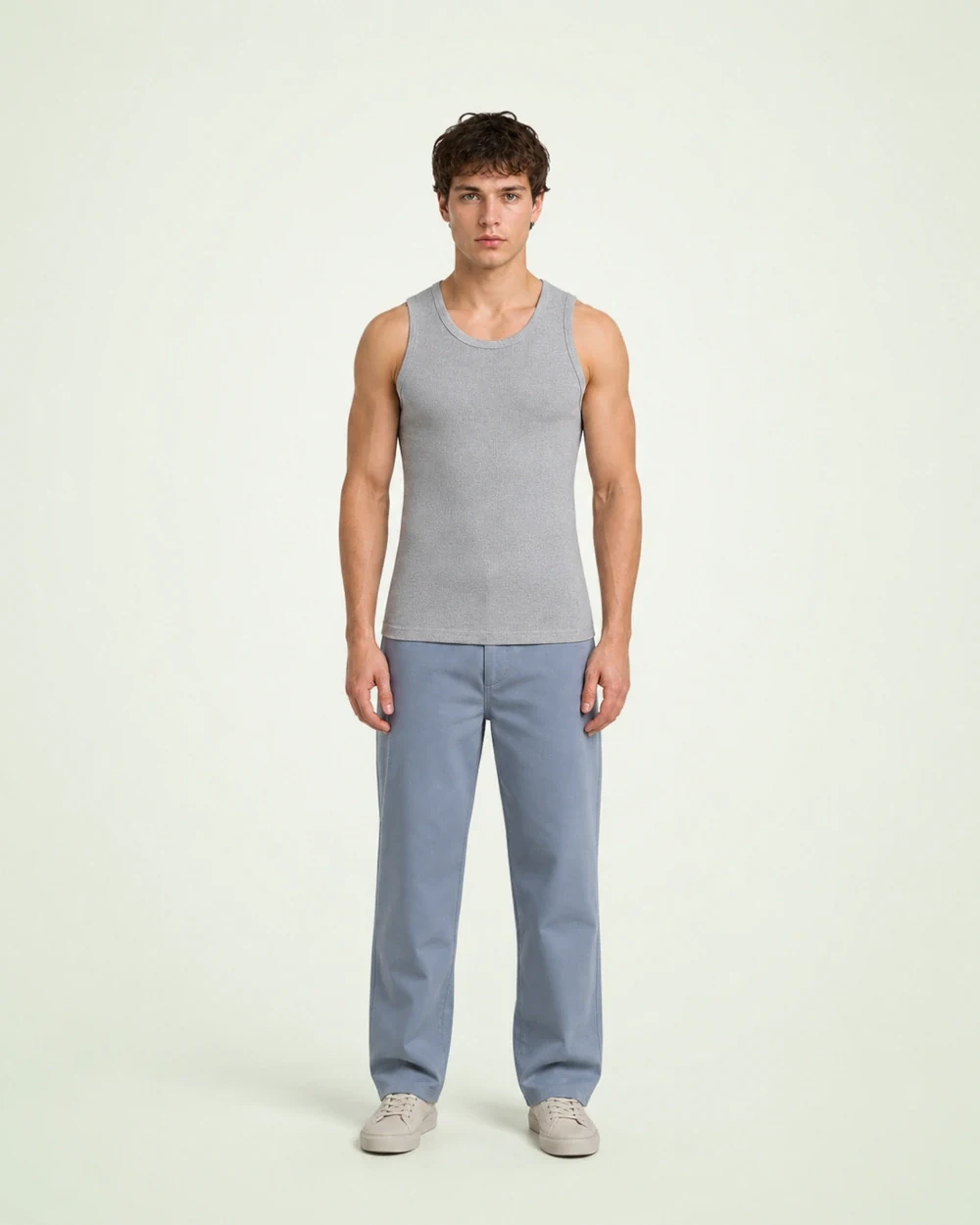
A blank tank top has fewer components than a tee, so small changes in neckline, shoulder width and armhole depth become more visible. Buyers should define coverage, intended gender positioning and fabric recovery before decoration is planned.
Compare regular, relaxed and athletic directions using shoulder width, armhole depth and body width. A reference garment is more useful than relying on labels such as men’s or unisex.
Self-fabric binding, rib binding and clean finishes behave differently after washing. Binding tension and seam quality should be part of the sample review because they affect both comfort and appearance.
Confirm chest and back artwork against the narrower garment panels. Print placement should be measured from stable reference points rather than visually centred on one sample size.
Add artwork, labels or packaging to a developed garment through Blank Apparel Customization. If fit, pattern, material or construction must be original, continue with Full Custom Clothing Manufacturing.
Start with the wearer, coverage and intended activity. Provide chest width, body length, shoulder width and armhole references so the silhouette can be evaluated consistently.
Sometimes, but the open armholes and binding place different demands on stretch and recovery. Fabric and trim should be tested together rather than assumed to behave identically.
Common areas include the chest, centre back, hem label and internal neck area. Available methods depend on fabric, panel width, artwork and the chosen binding construction.
Approve fit, coverage, binding, shrinkage, colour, artwork size and placement, labels and packing. Record the sample size used as the visual and measurement reference.