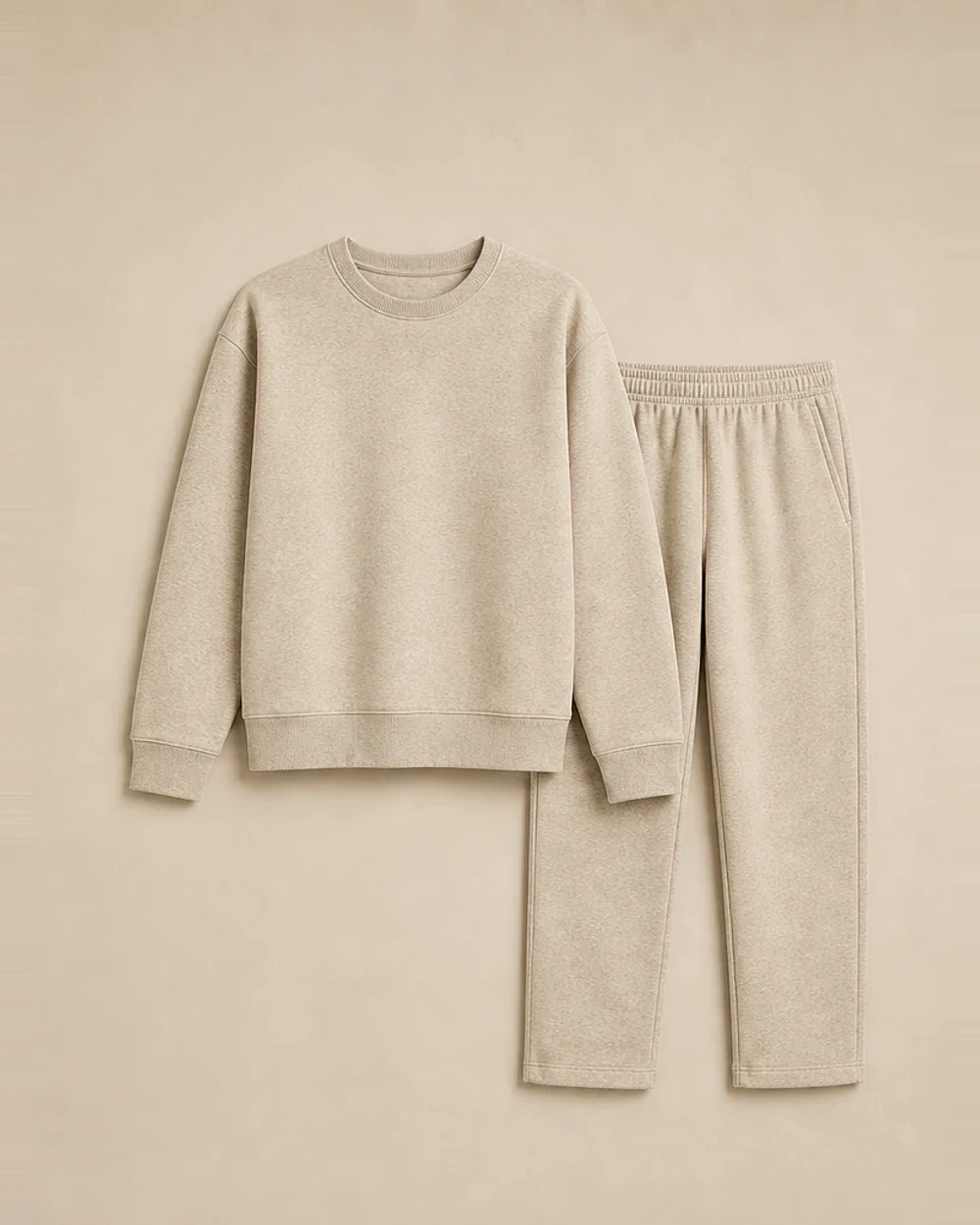
Oat
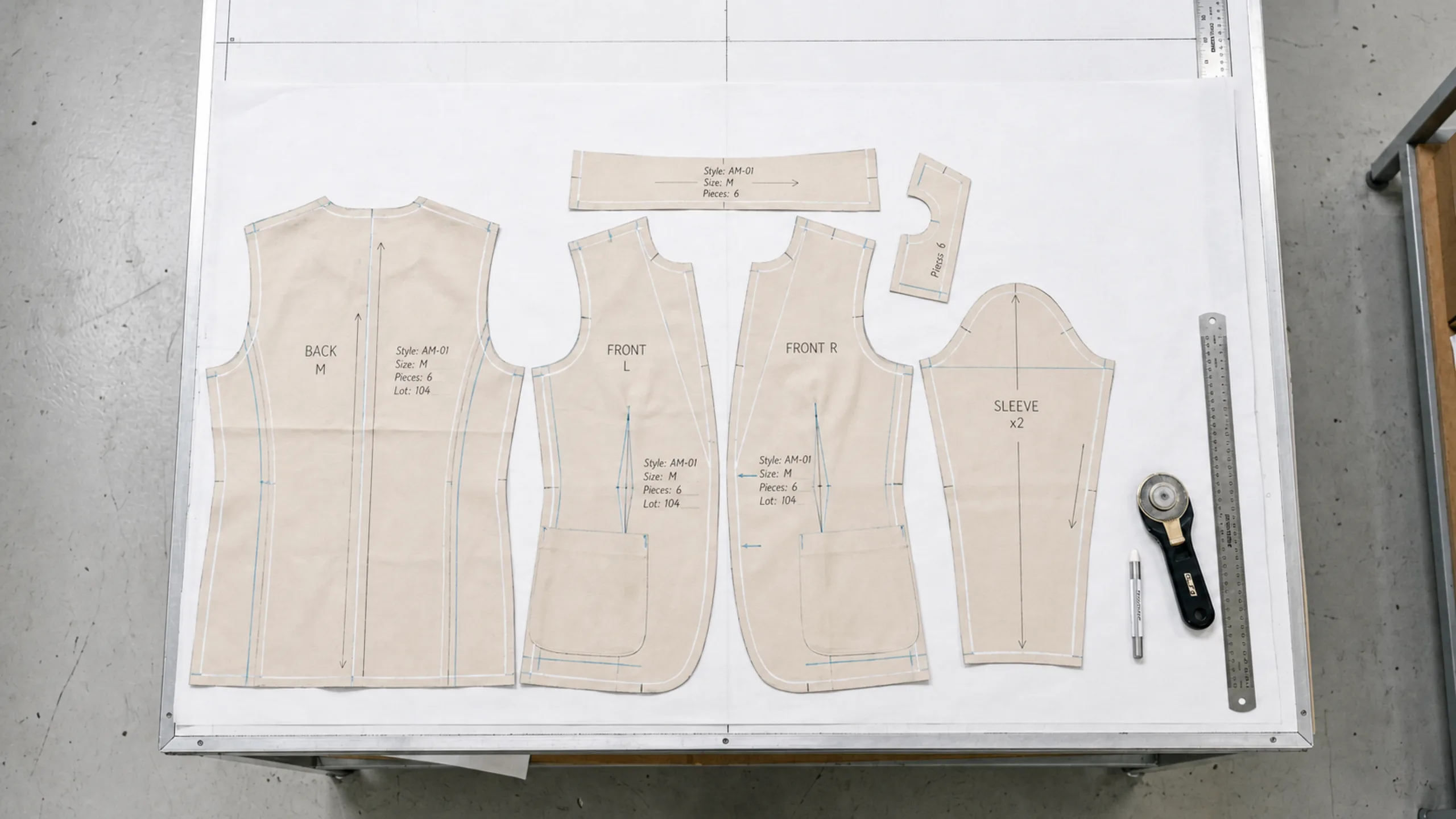
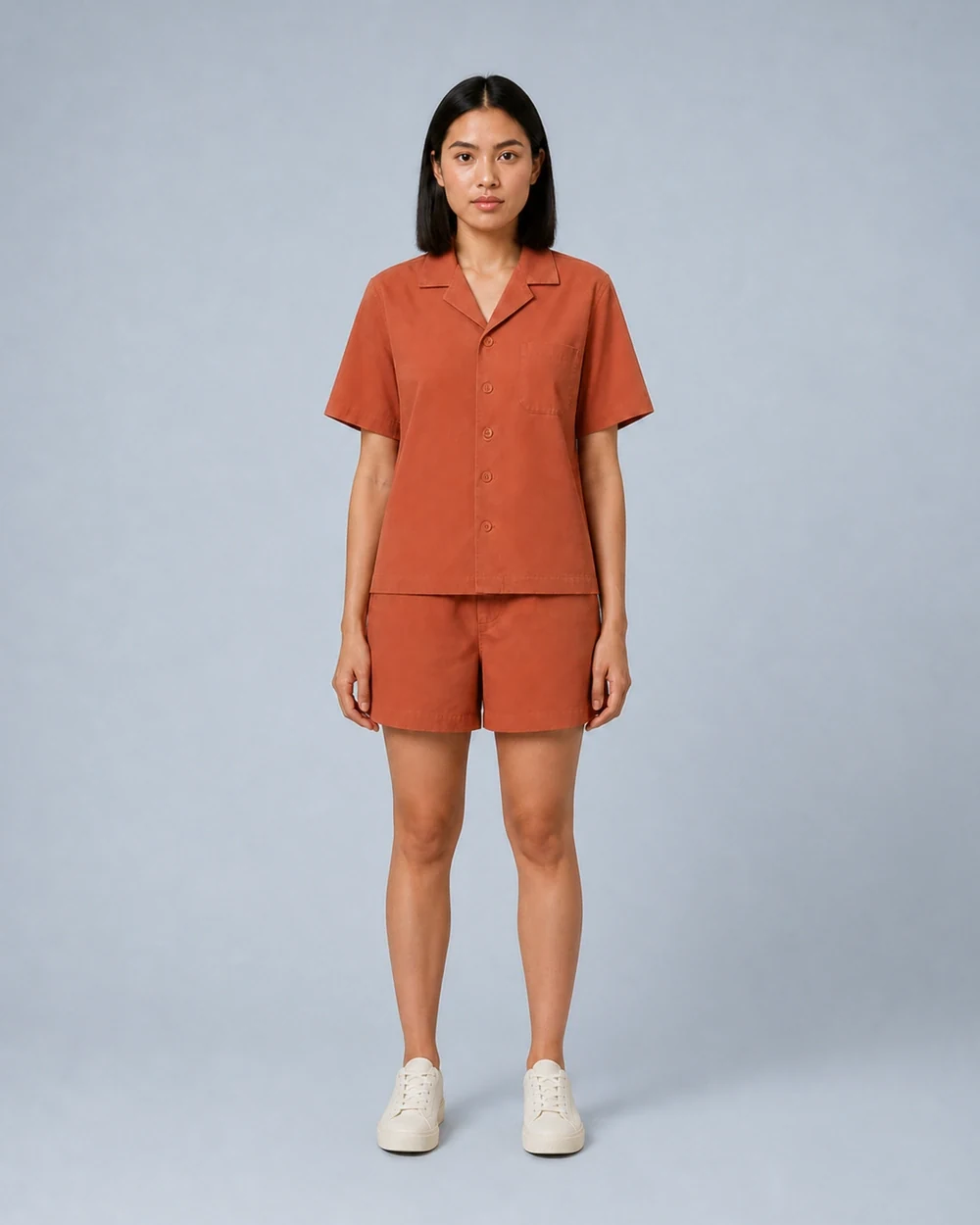
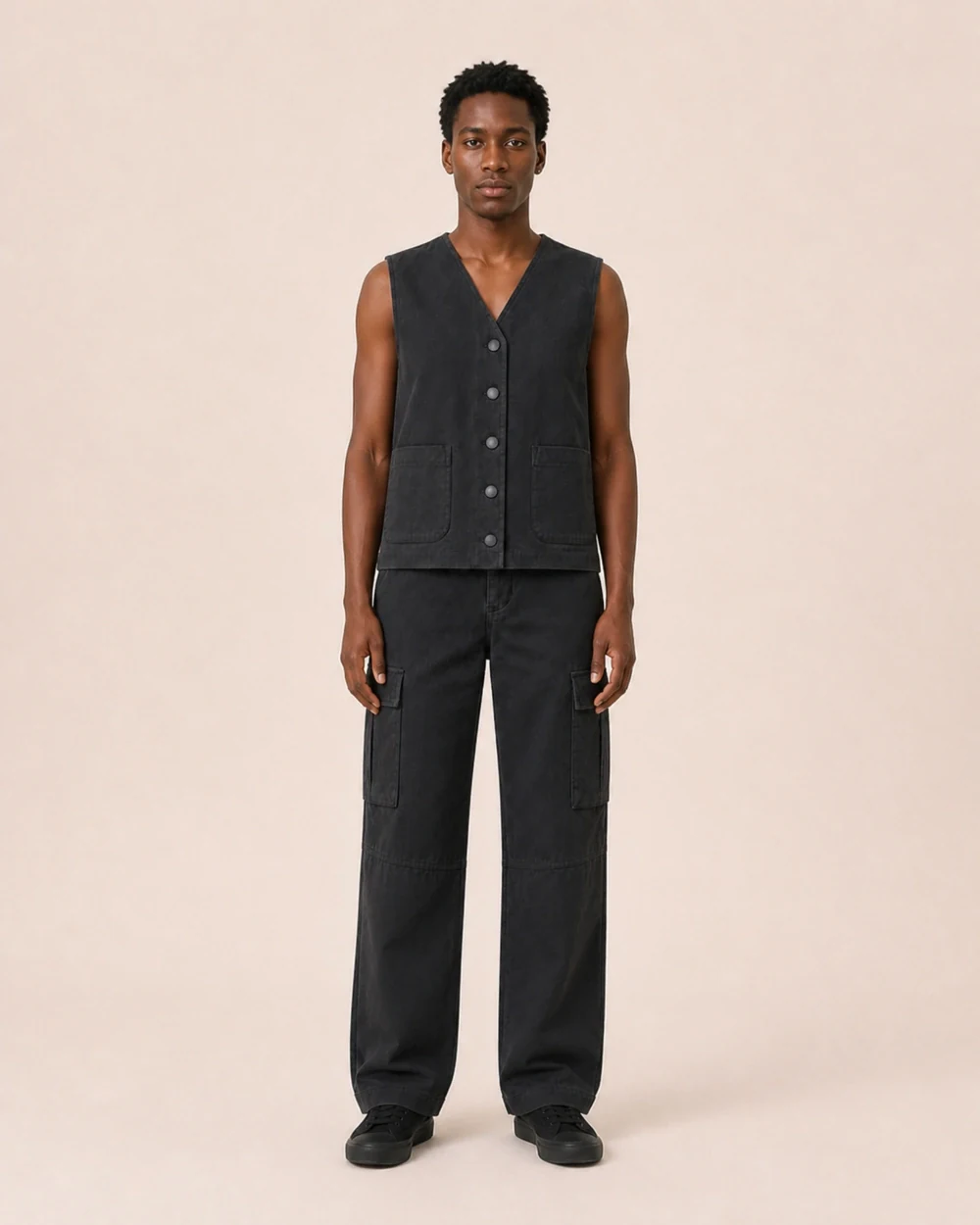
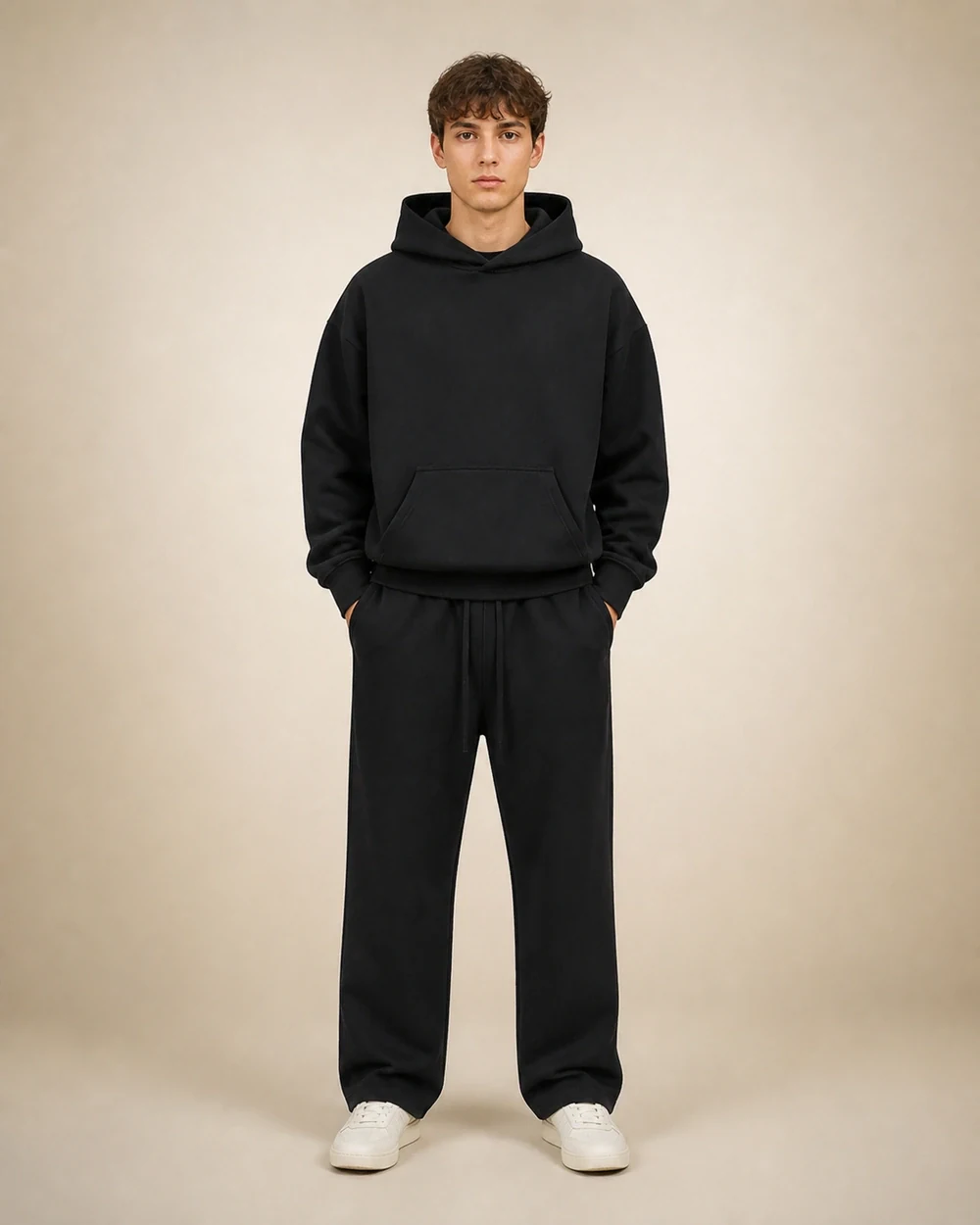
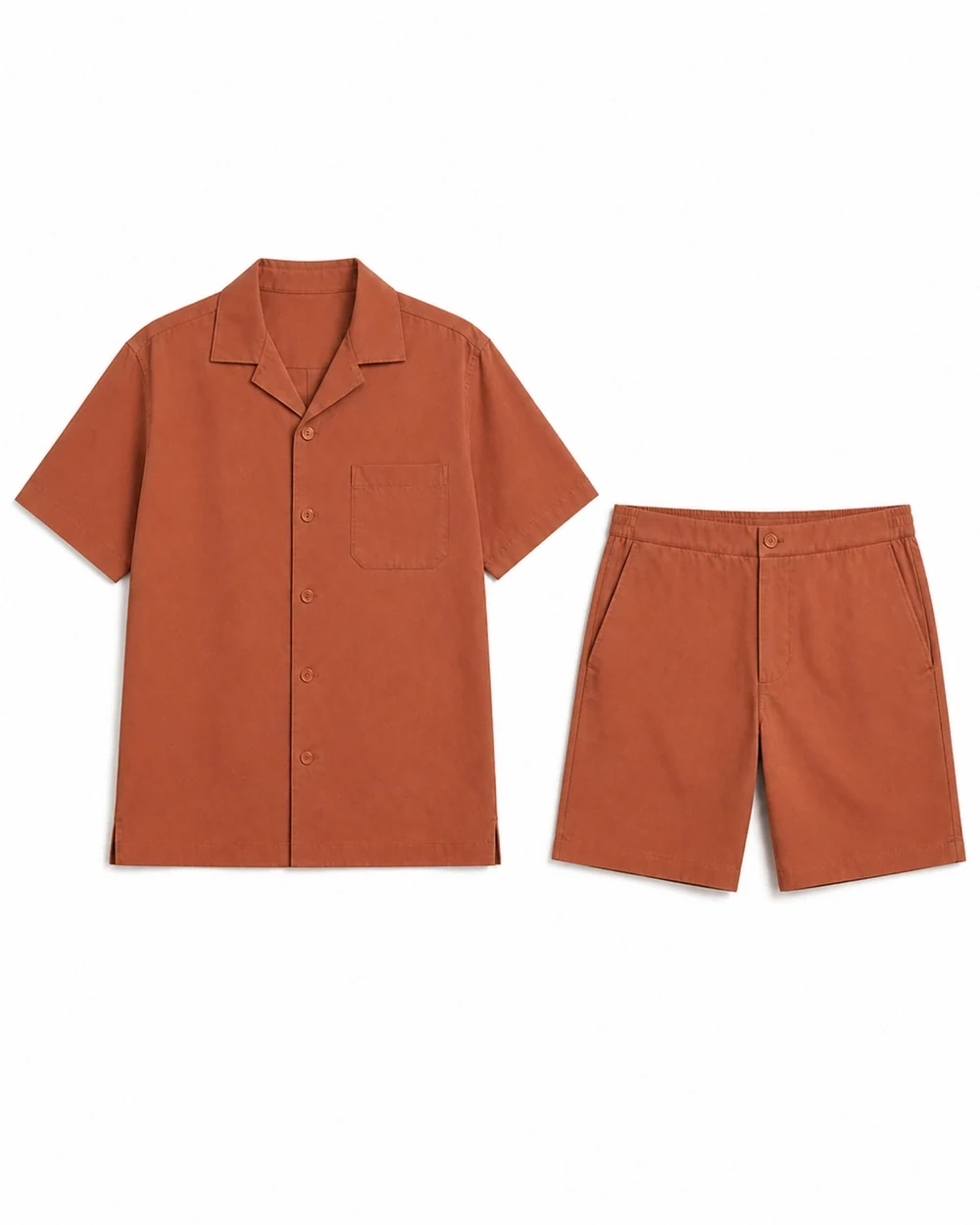
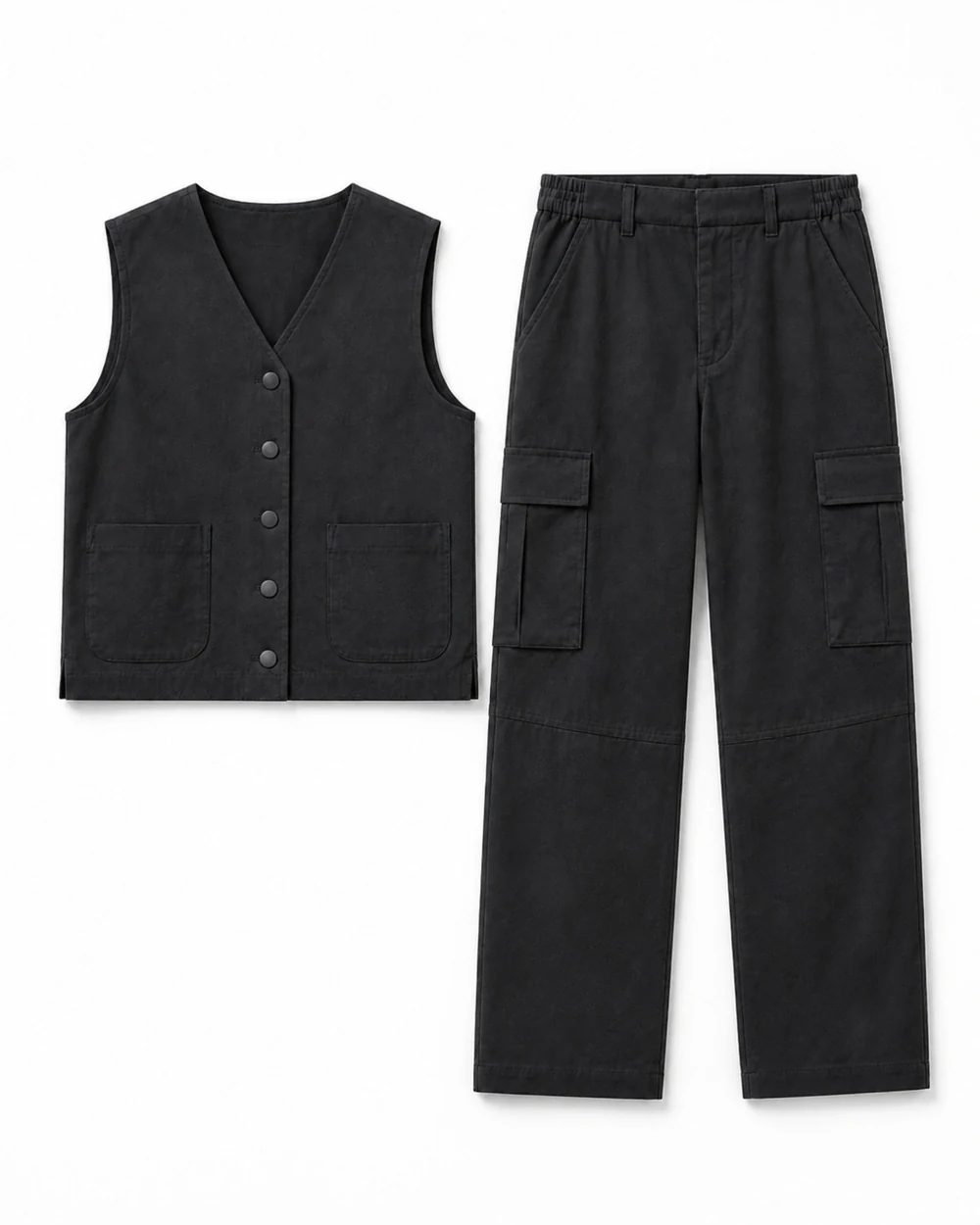
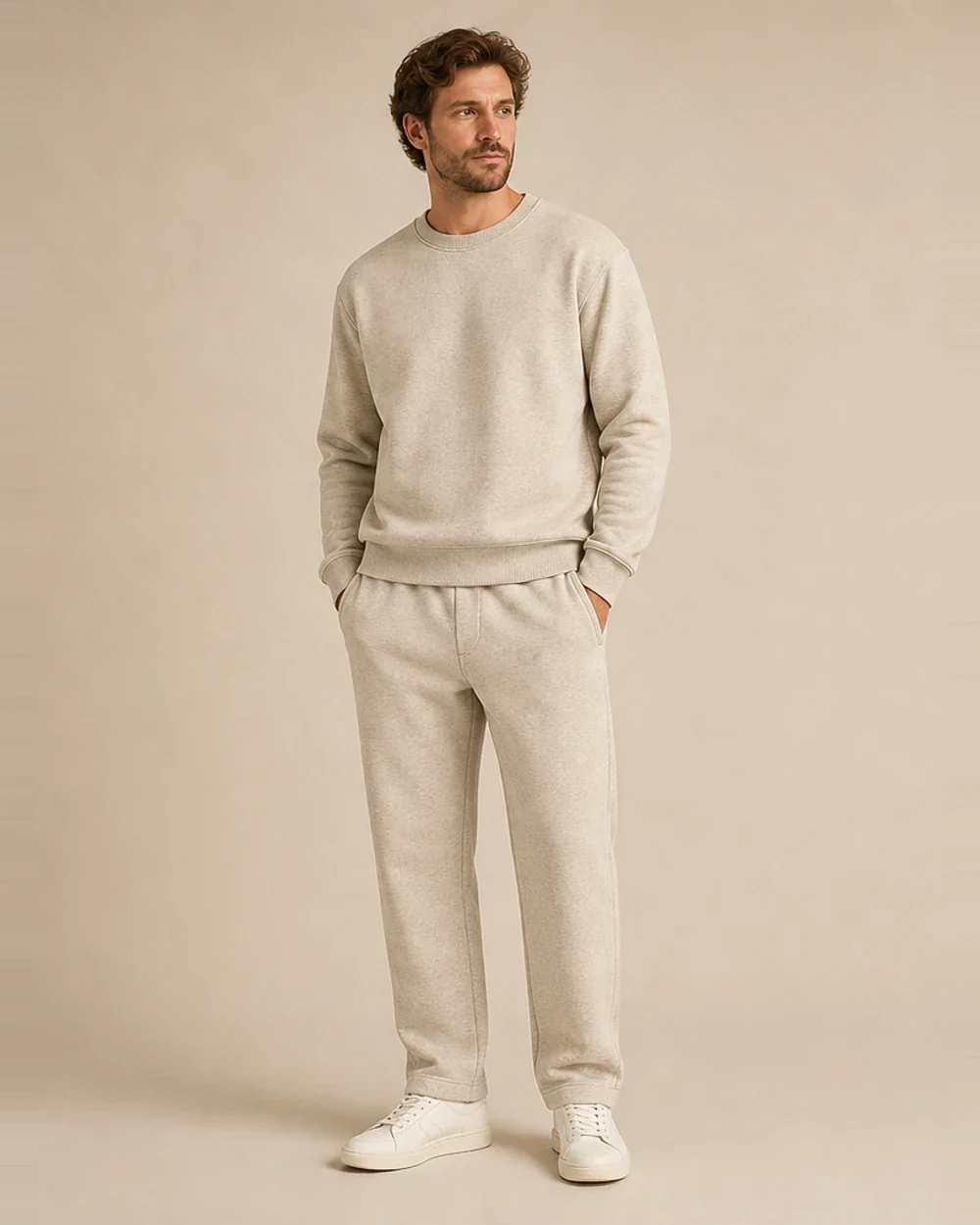
Matching sets should feel related while allowing each garment to fit and function correctly. Material, colour and branding can be shared, but tops and bottoms need their own measurements, construction checks and size ratios.
Define which elements must match: fabric, colour, wash, trim, artwork or panel details. Use an approved set as the visual reference rather than approving each item in isolation.
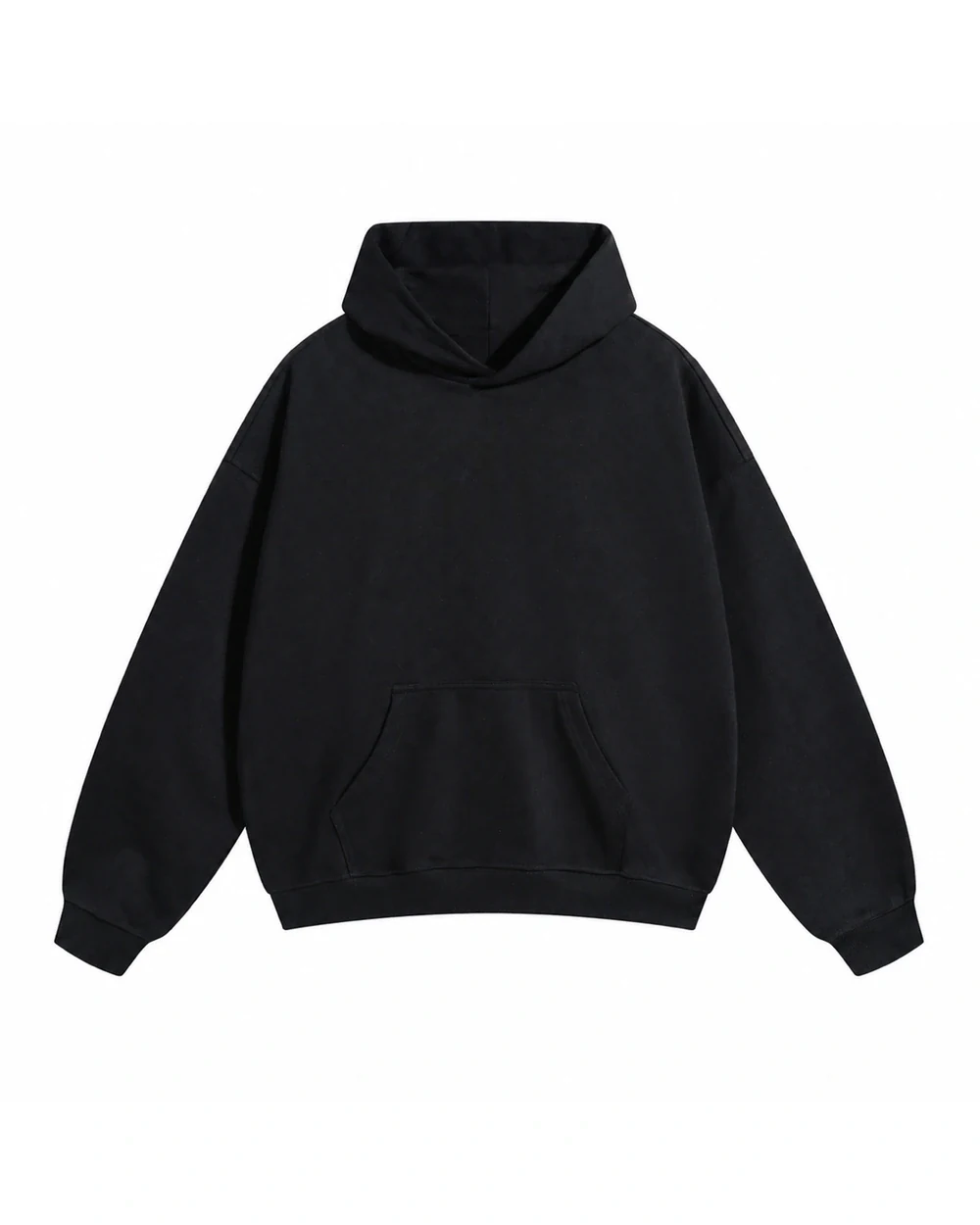
A hoodie, sweatshirt, shorts or pants component still needs its own grading and construction approval. Coordinate proportions without assuming the same size label fits every customer identically.
Choose paired sets, mix-and-match sizes or separately sold pieces before SKU and packaging work begins. This decision affects size ratios, labels, barcodes and carton planning.
Add artwork, labels or packaging to a developed garment through Blank Apparel Customization. If fit, pattern, material or construction must be original, continue with Full Custom Clothing Manufacturing.
Use an agreed material and colour reference, ideally from the same approved production direction. Even then, construction and surface orientation can affect how colour appears, so assess the complete set.
That depends on how the programme is ordered and packed. Mix-and-match sizing is possible to plan, but it requires separate SKU, quantity and fulfilment decisions.
Common routes include hoodie and sweatpant, sweatshirt and short, or track jacket and pant combinations. The best pairing depends on fabric, season, wearer and branding plan.
Choose full custom development when fit, pattern, fabric, panels or construction must be original. Developed blanks are more appropriate when existing garments already meet the product direction.