Brief
Define the garment category, customer, fit direction, materials, branding, quantity range, destination and details that must remain fixed.
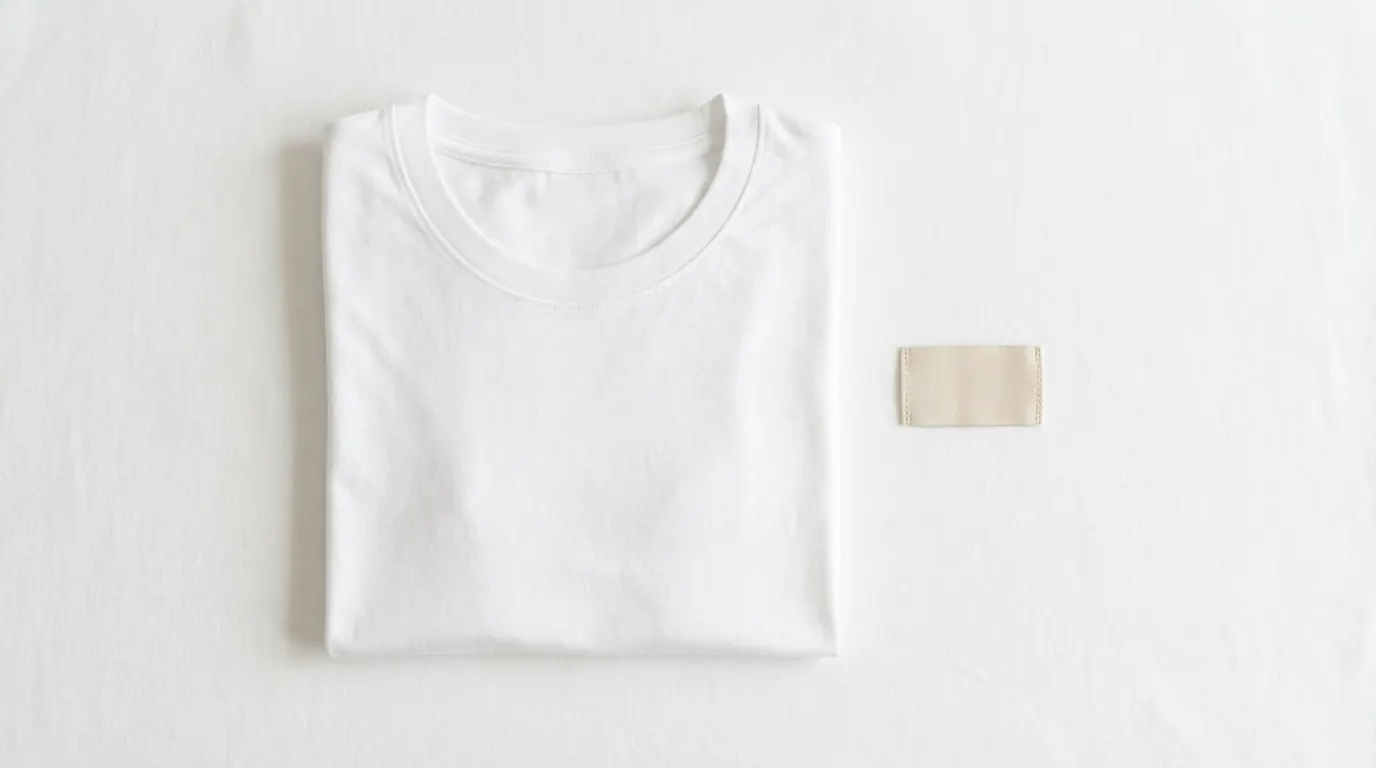
Build a private-label clothing programme around an approved garment, branding system, sample record and repeat-order specification.
Private-label clothing manufacturing produces garments that are presented and reordered under the buyer’s brand. The programme starts with either a developed garment whose fit and construction can stay fixed, or a full custom route when the silhouette, fabric, pattern or construction must be developed.
The garment, decoration, labels, hangtags, packaging and SKU information are approved as one system. DRIOV keeps those decisions connected to the physical sample and production record; component-level label and packing specifications continue on the dedicated Labels & Packaging page.
Where it fits
Define the garment category, customer, fit direction, materials, branding, quantity range, destination and details that must remain fixed.
Confirm a developed-blank or full-custom starting point, then align decoration, labels and packaging with that garment.
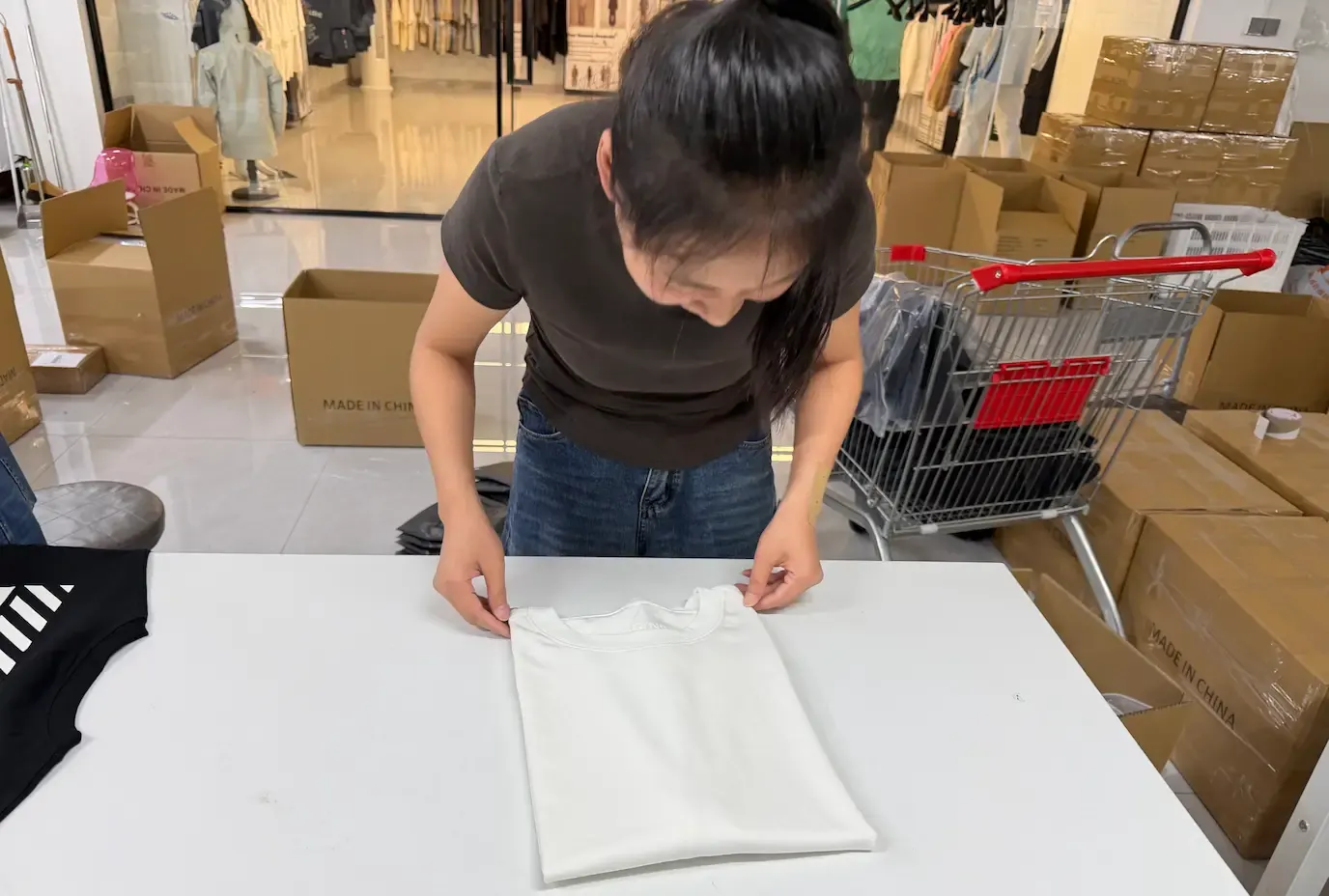
Review the physical garment, measurements, decoration, brand components and presentation; record every accepted revision.
Release bulk only from the approved sample and specification, then reconcile garments, components, SKUs and packing for handover.
One continuous sequence connects equipment, process control, physical results and the approval reference.
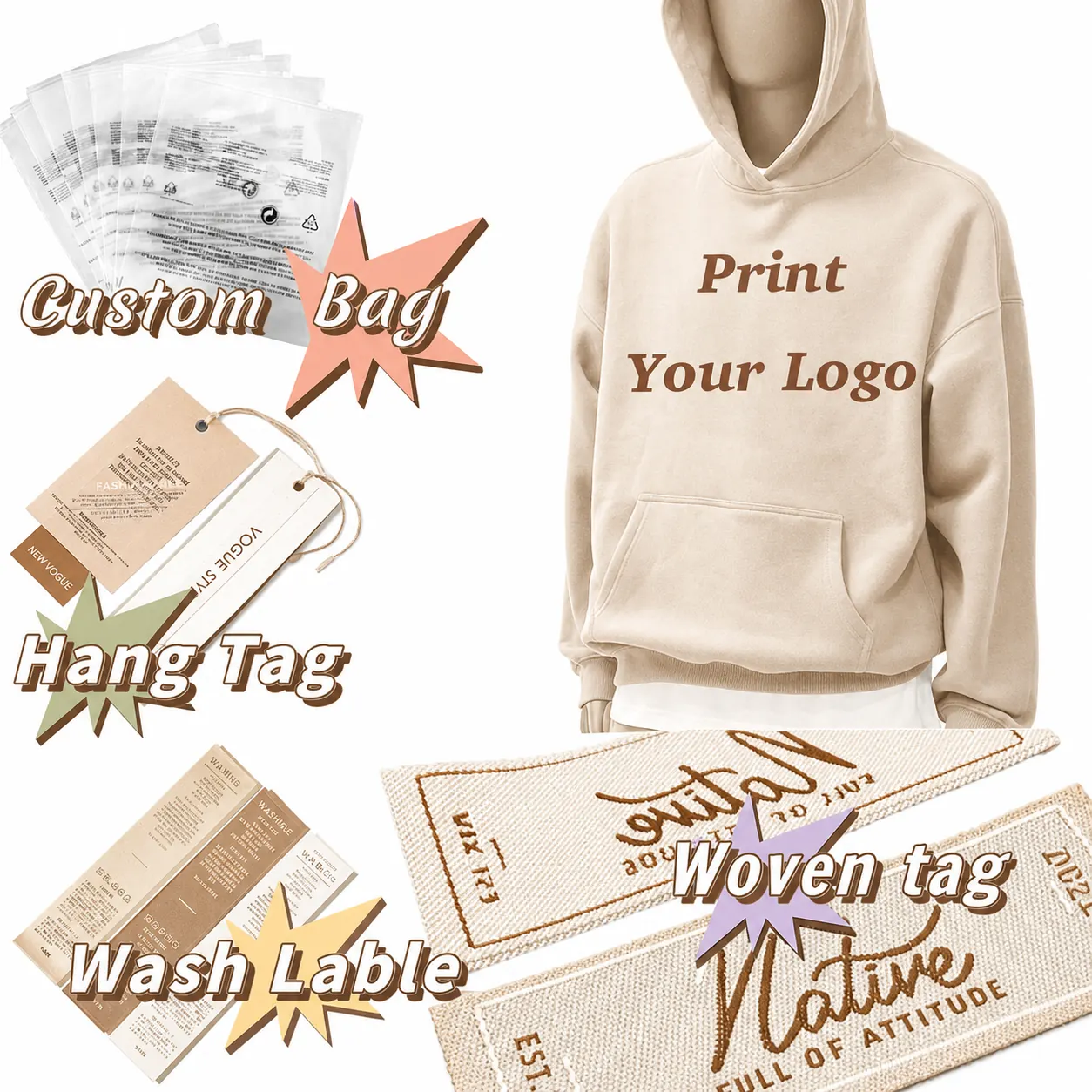
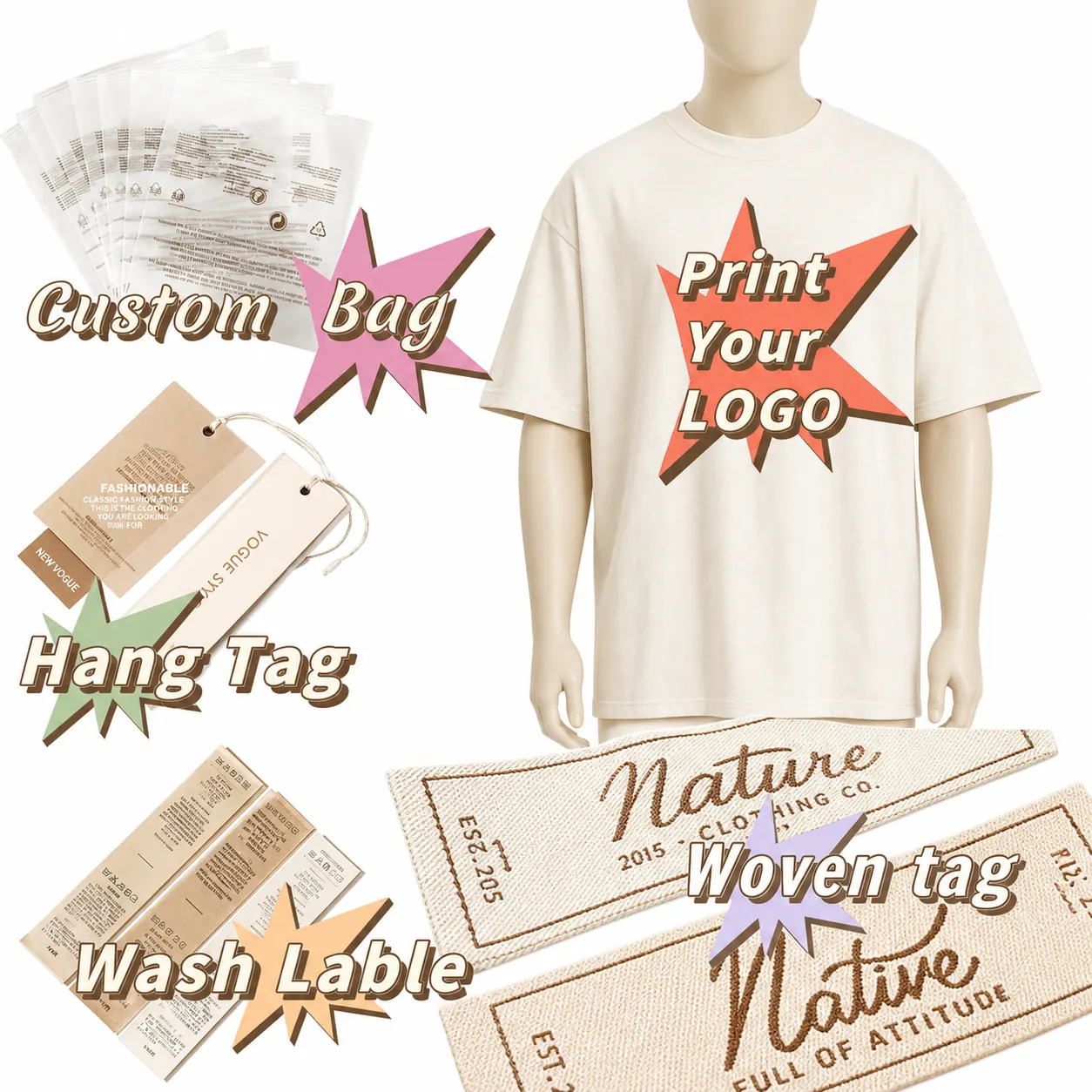
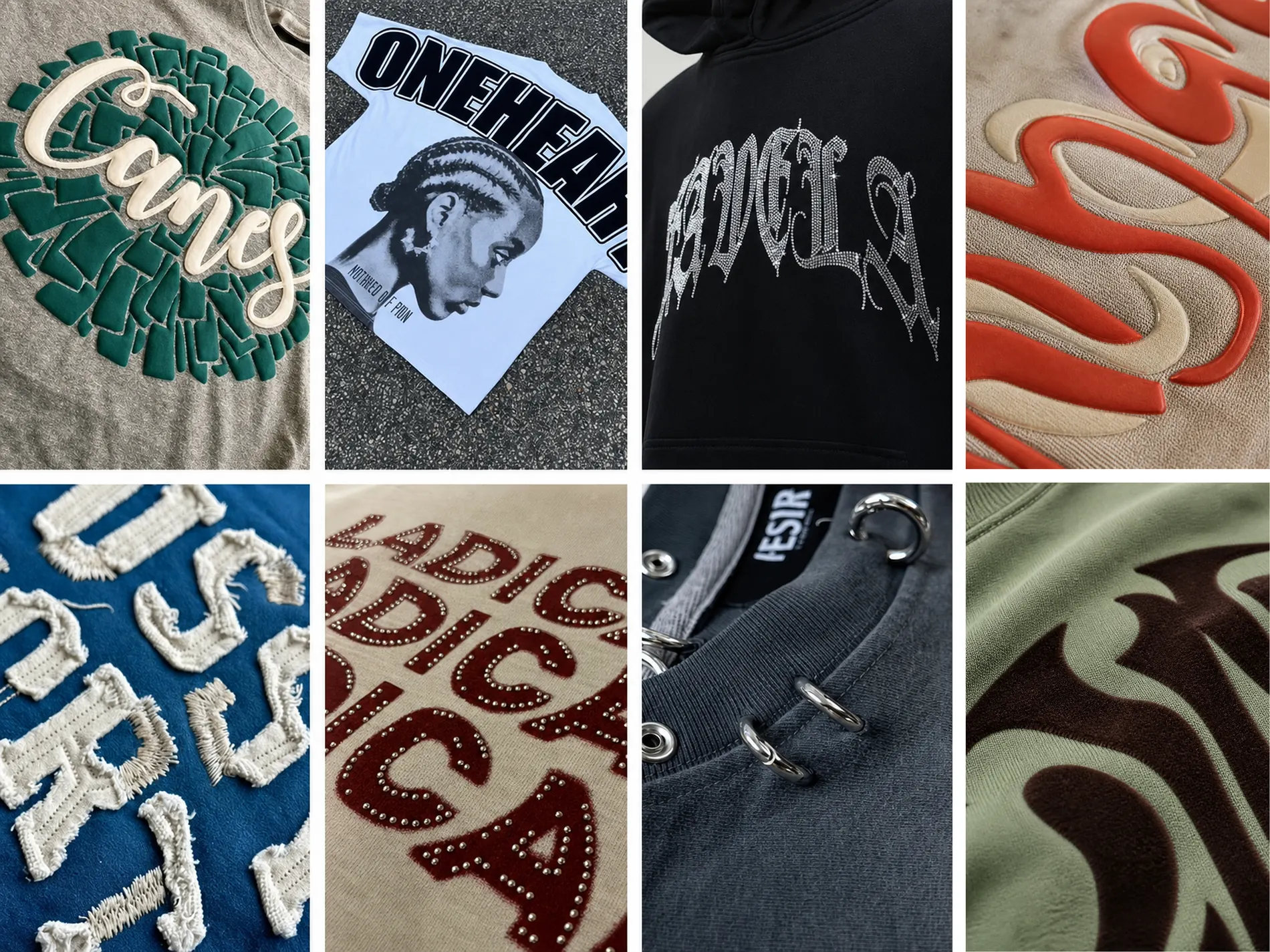
Use a developed blank when the base product already fits the brief, or open full custom development when fit, fabric or construction must change.
Read guideReview fit, fabric, decoration, brand details and presentation on the physical garment before releasing production.
Read guideKeep garment reference, measurements, colour, artwork, label versions, SKU mapping and packing instructions together.
Read guideProcurement paths
The method page owns technical decisions. Product and manufacturing pages define the garment foundation, development scope and enquiry route.
Keep the accepted garment construction, then coordinate decoration, labels, SKU data and packaging.
Review route Original garment routeUse Full Custom when fit, fabric, pattern or construction must be created for the programme.
Review route Component specificationConnect each component to the approved garment, destination, SKU map and final packing reference.
Review routeNo. A neck label is one component. A private-label programme connects the garment, fit, fabric, decoration, brand labels, packaging and repeat-order information under one approved product record.
Yes when a developed garment already meets the fit, fabric and construction brief. If those elements need to change, the project should move to full custom development instead.
There is no single website-wide MOQ. The practical range changes with the garment route, fabric or stock availability, colours, decoration, custom components and production plan. Share a target range for review.
Provide the garment category, reference or tech pack, fit direction, materials, artwork, label and packaging needs, size range, target quantity and destination market. Open decisions can then be separated from fixed requirements.