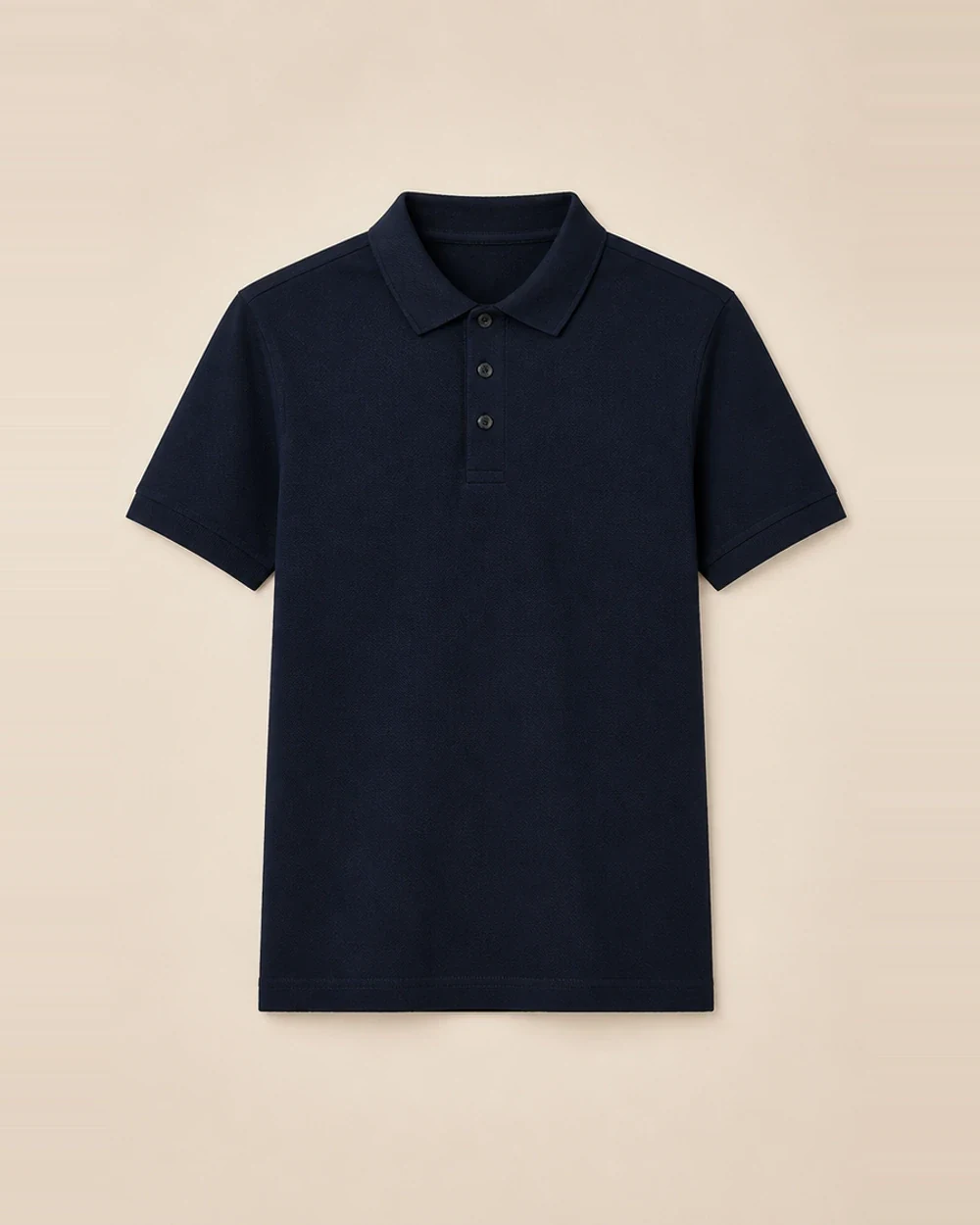
Deep Navy
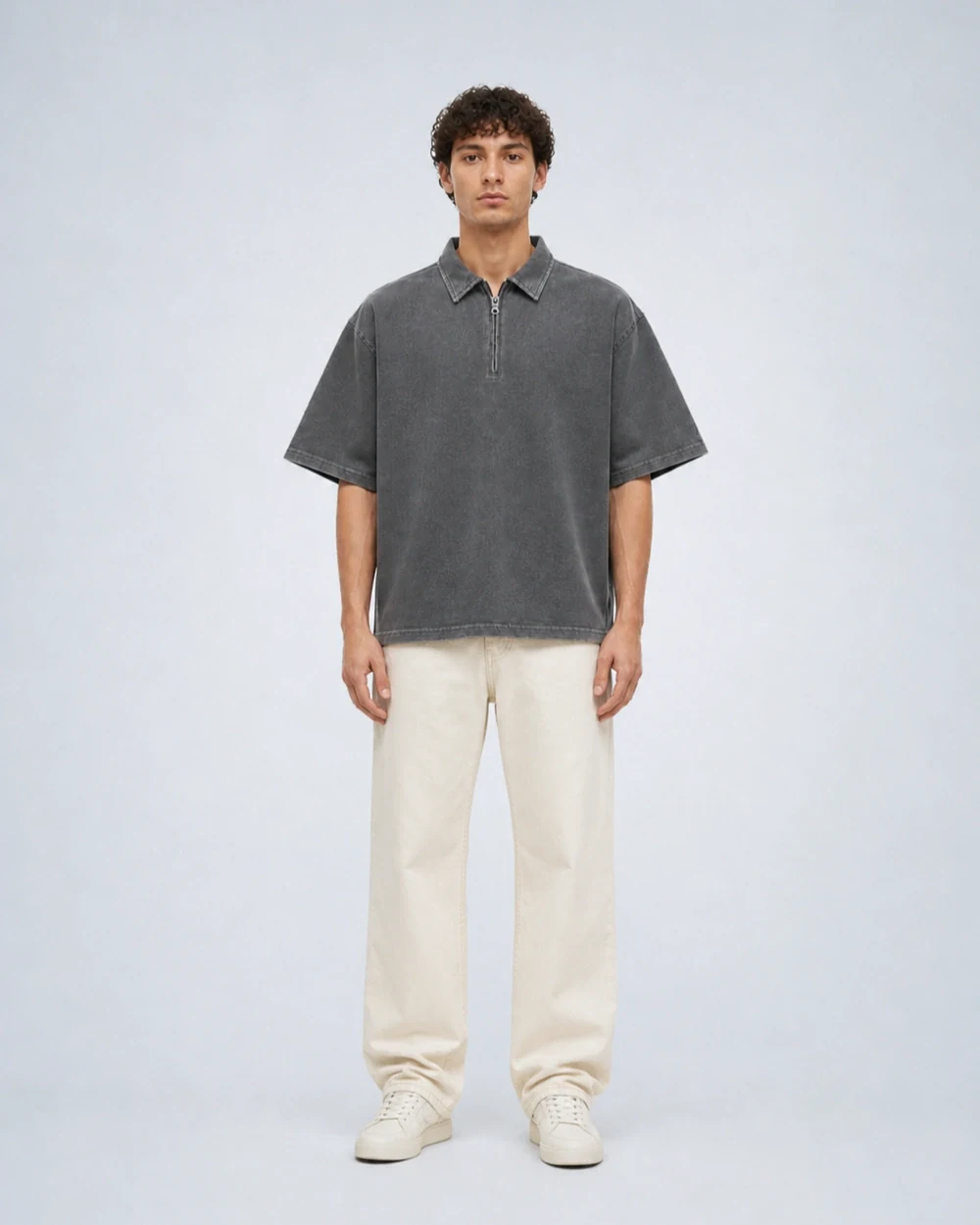
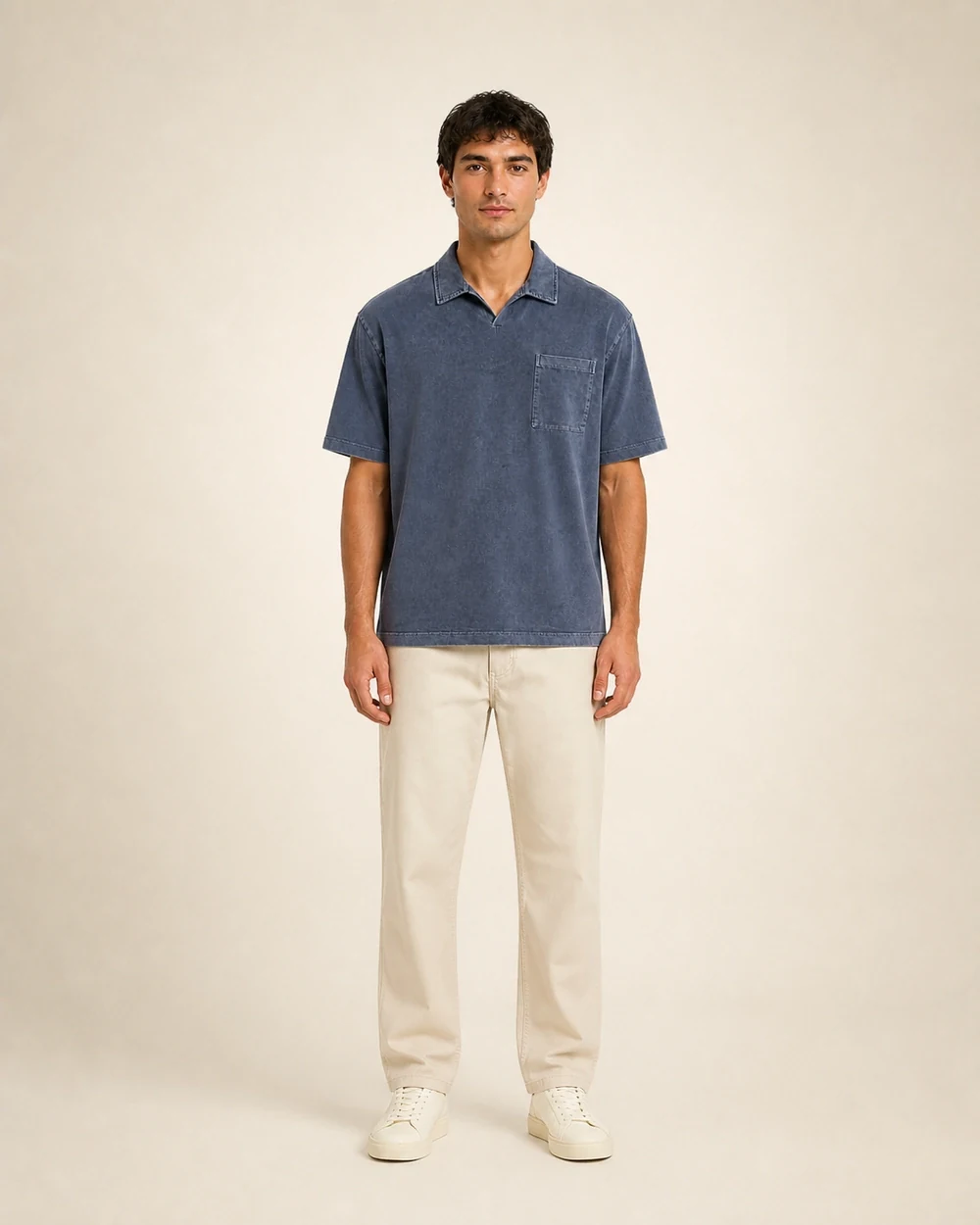
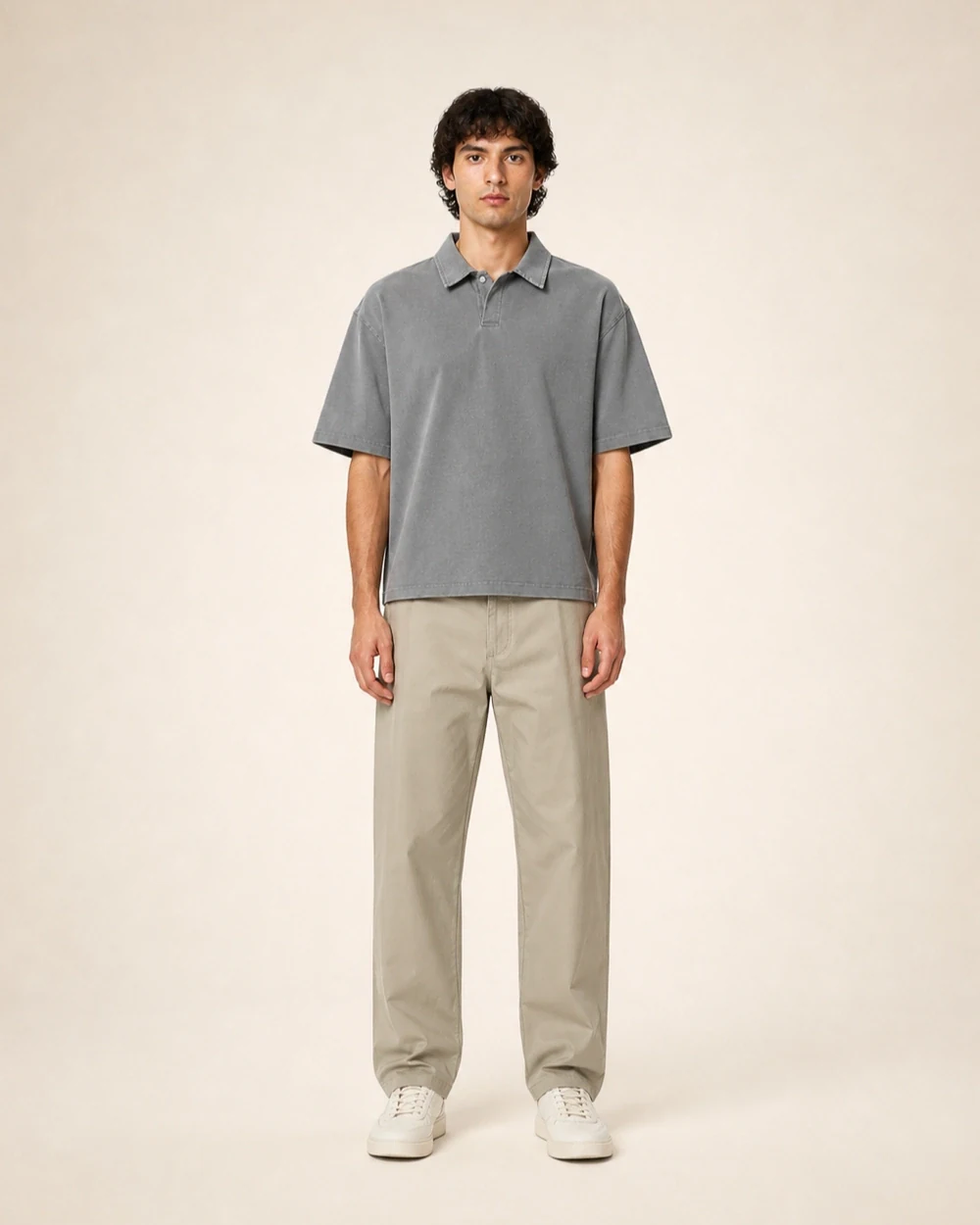
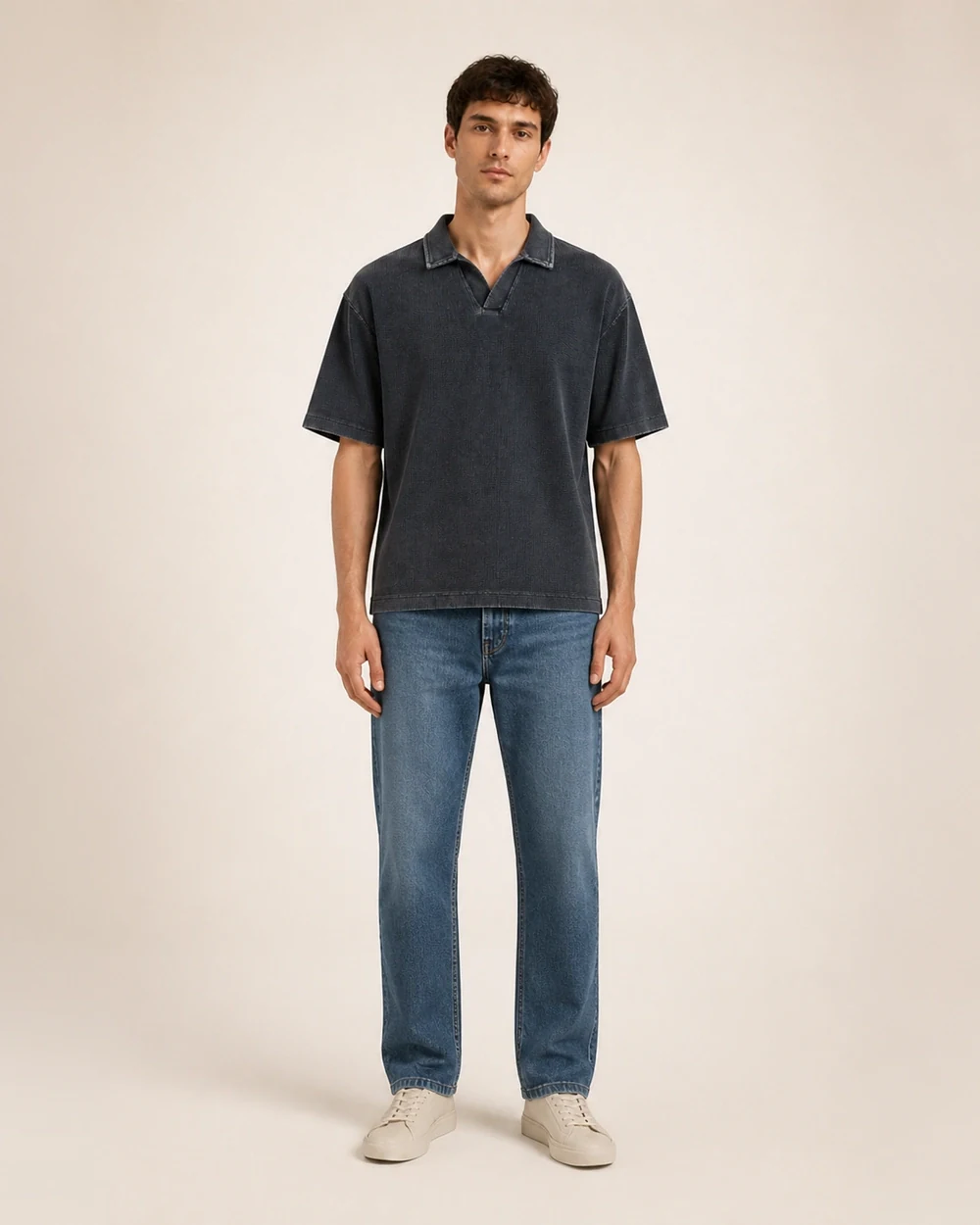
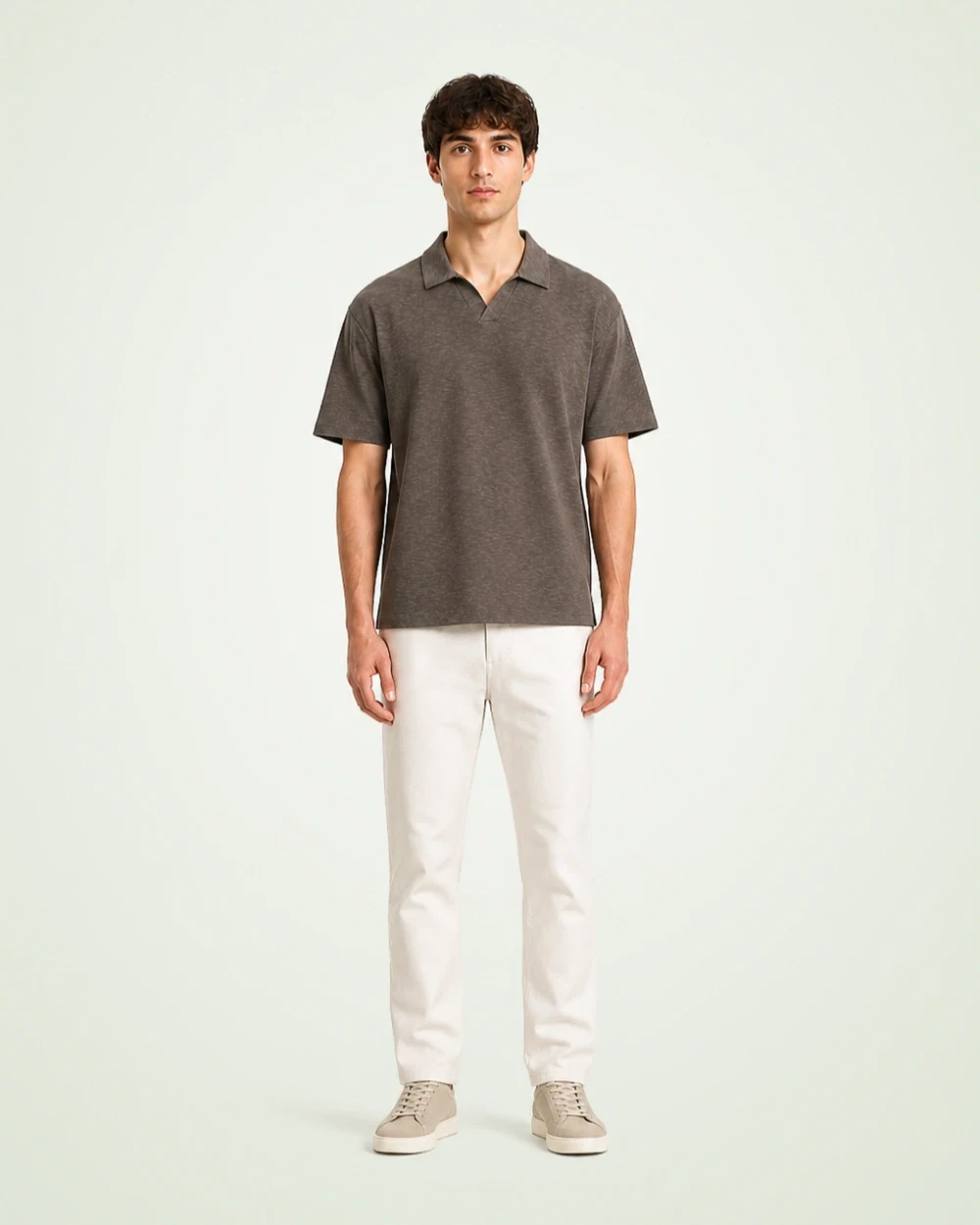
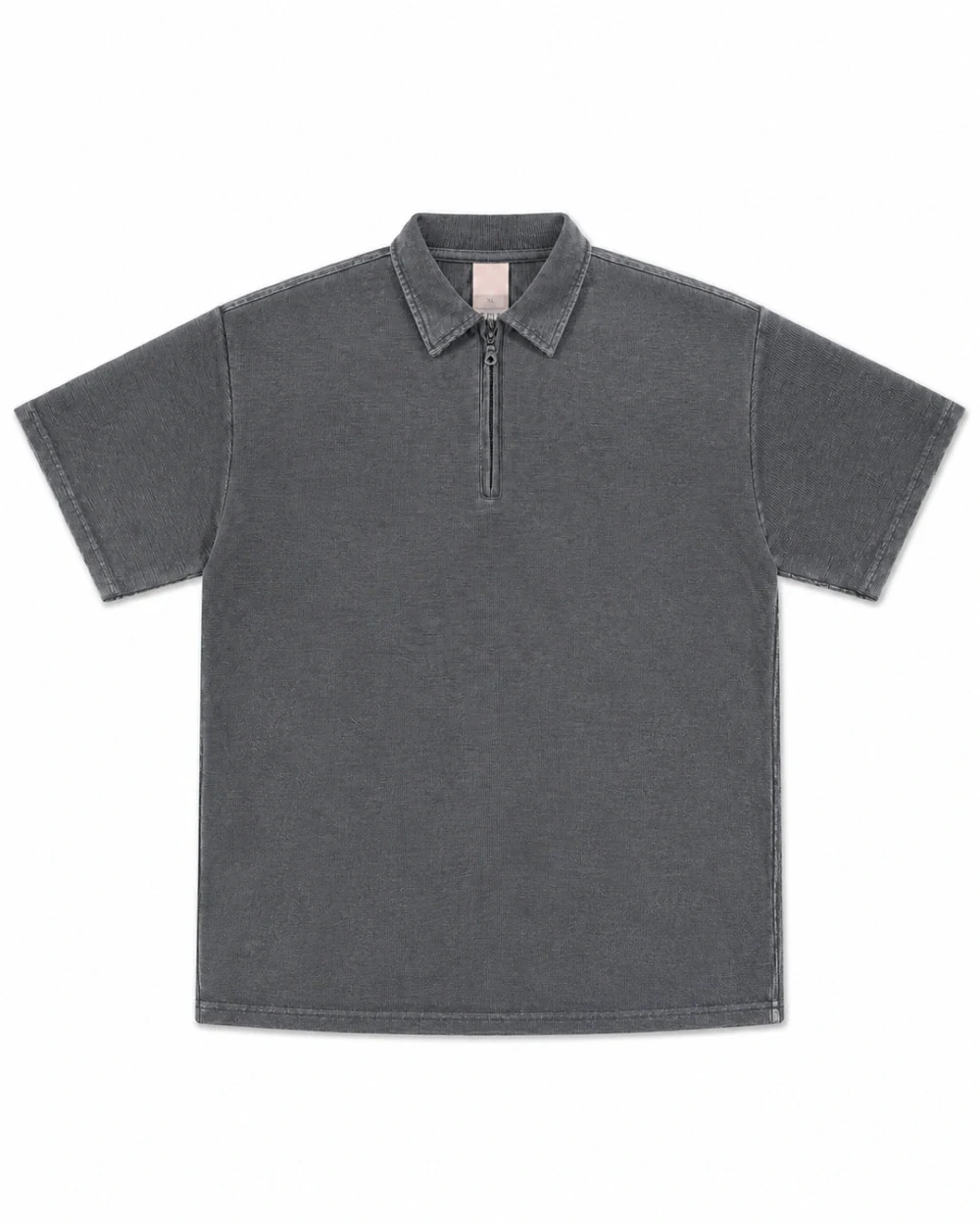
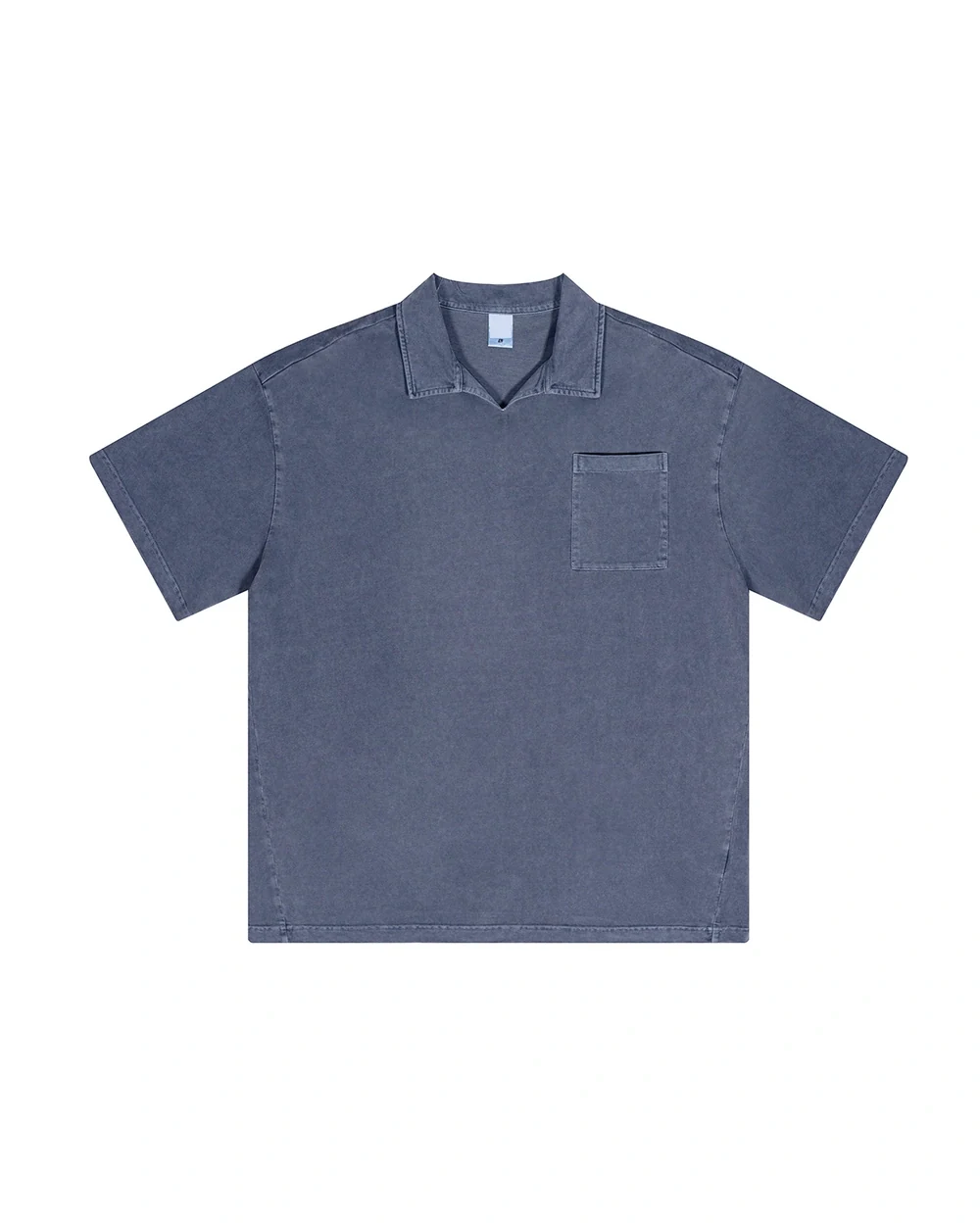
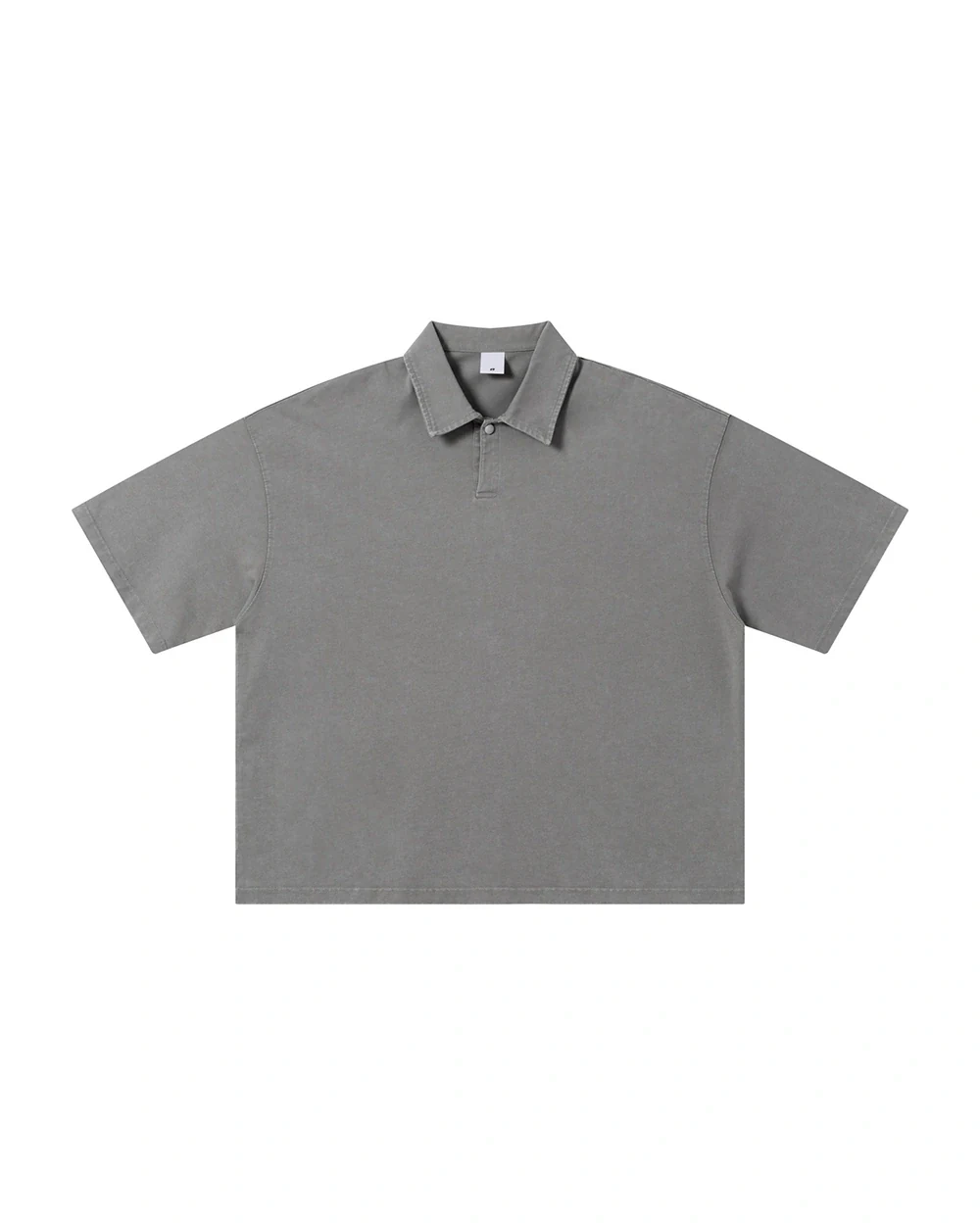
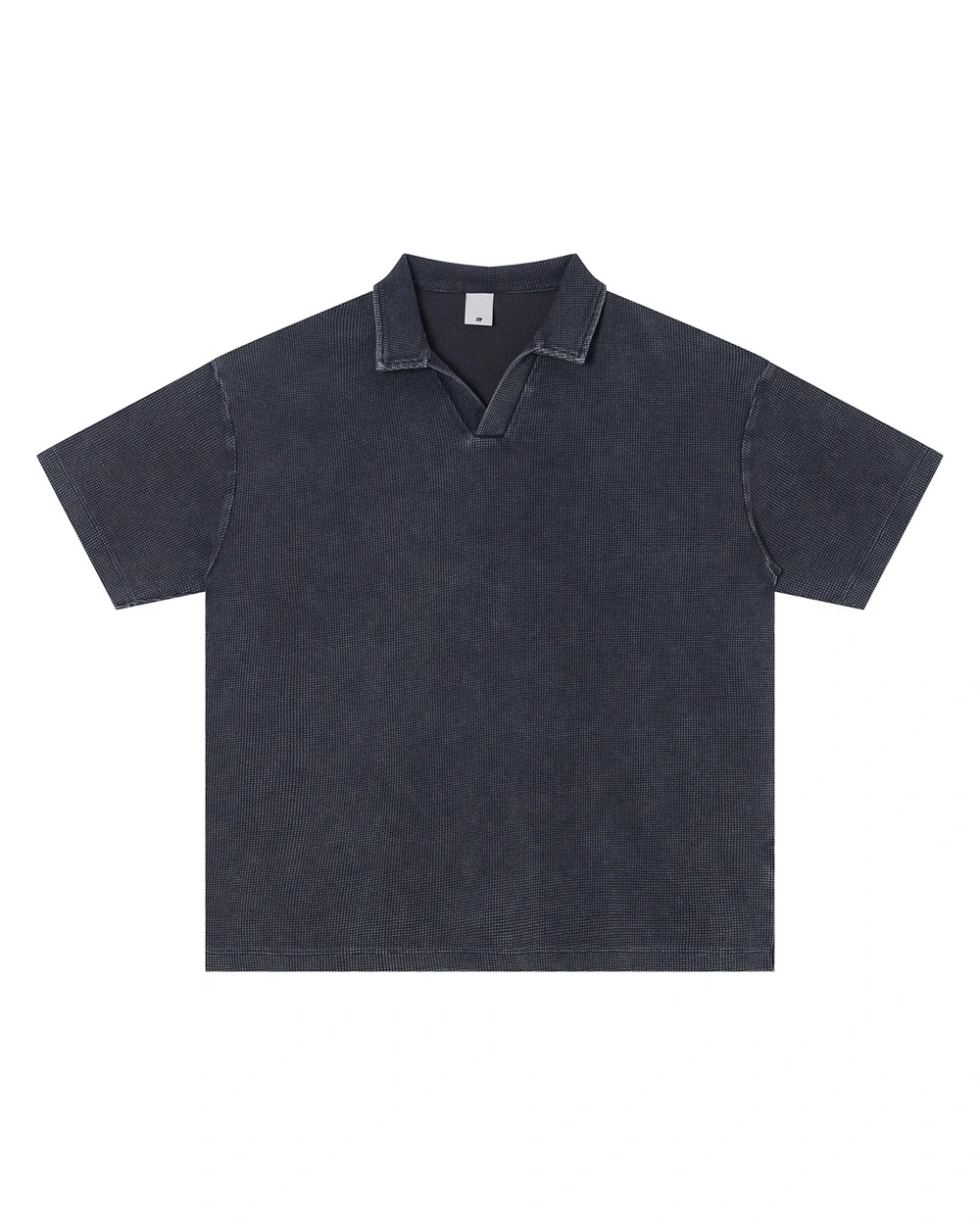
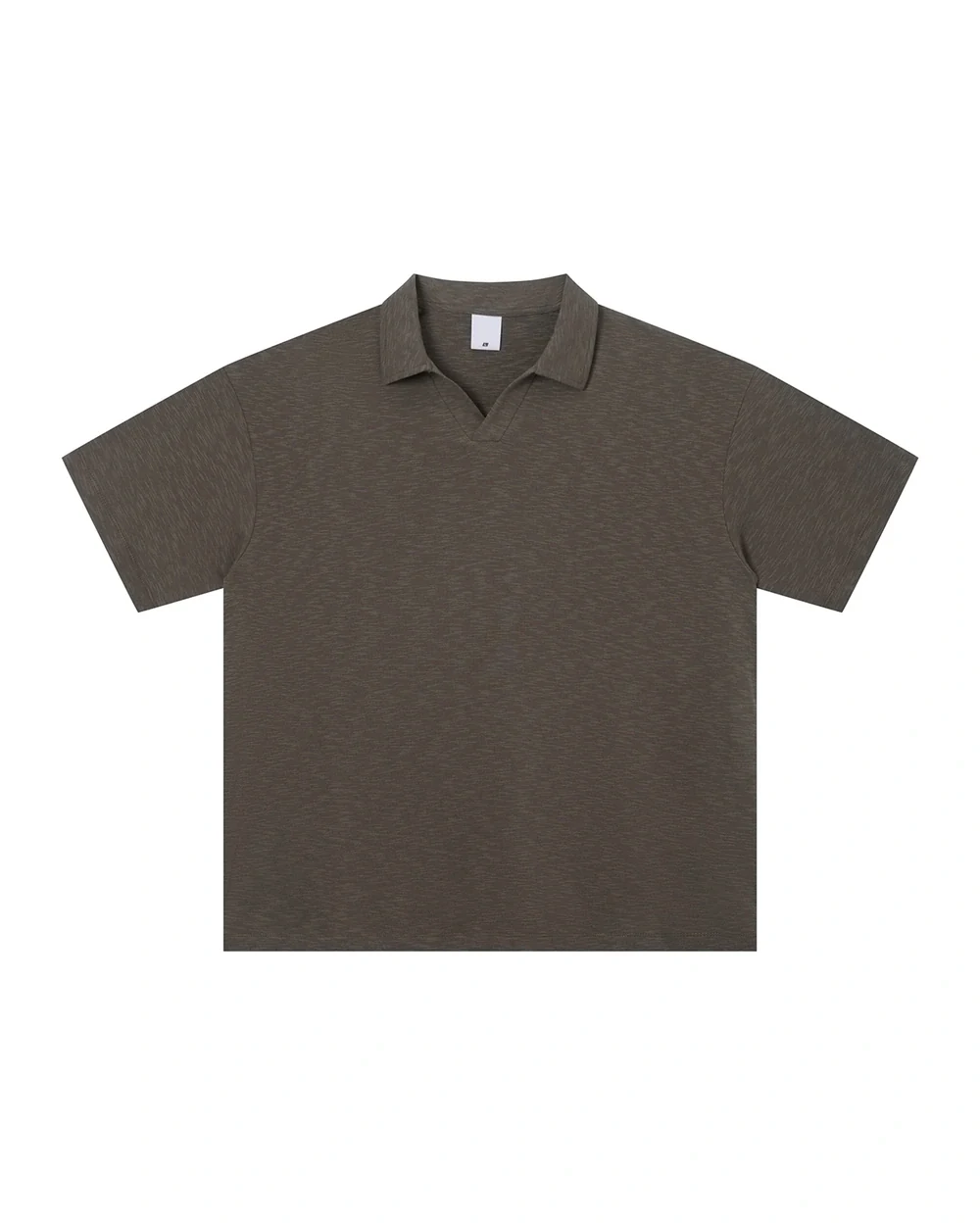
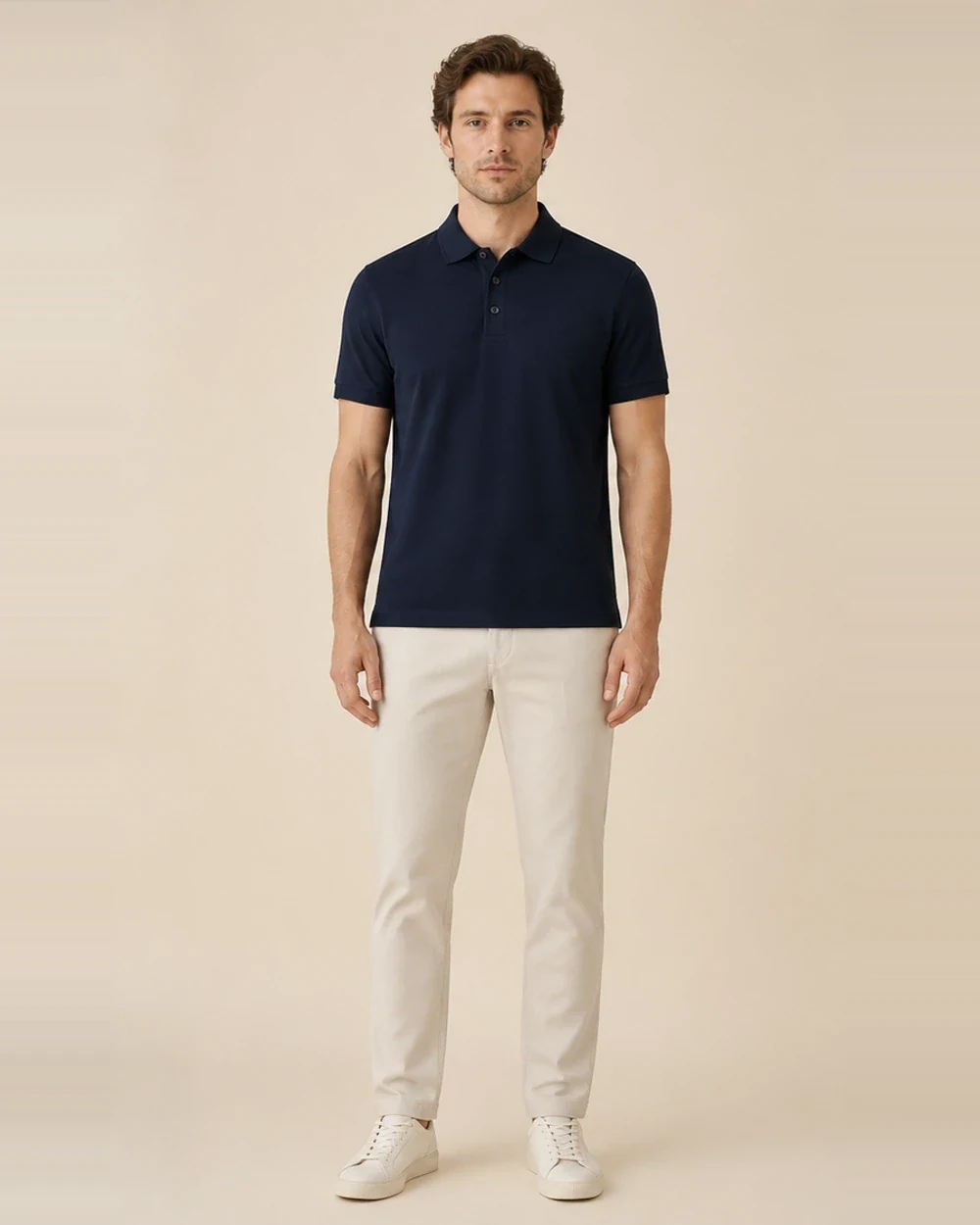
Wholesale polo shirts combine jersey or piqué fabric with structured details. Collar recovery, placket construction and button choice influence perceived quality, while embroidery placement must work with the garment’s weight and surface.
Piqué, jersey and blended fabrics offer different texture, drape and wash performance. The collar and cuff construction should be matched to the body fabric so they retain shape without feeling overly rigid.
Specify placket length, button count, button colour, reinforcement and any contrast detail. These elements should be approved visually and measured because small shifts are noticeable on a polo.
Logo size, stitch density, backing and position must be reviewed on the actual polo. Dense designs may need adjustments to reduce puckering, especially on lighter fabrics.
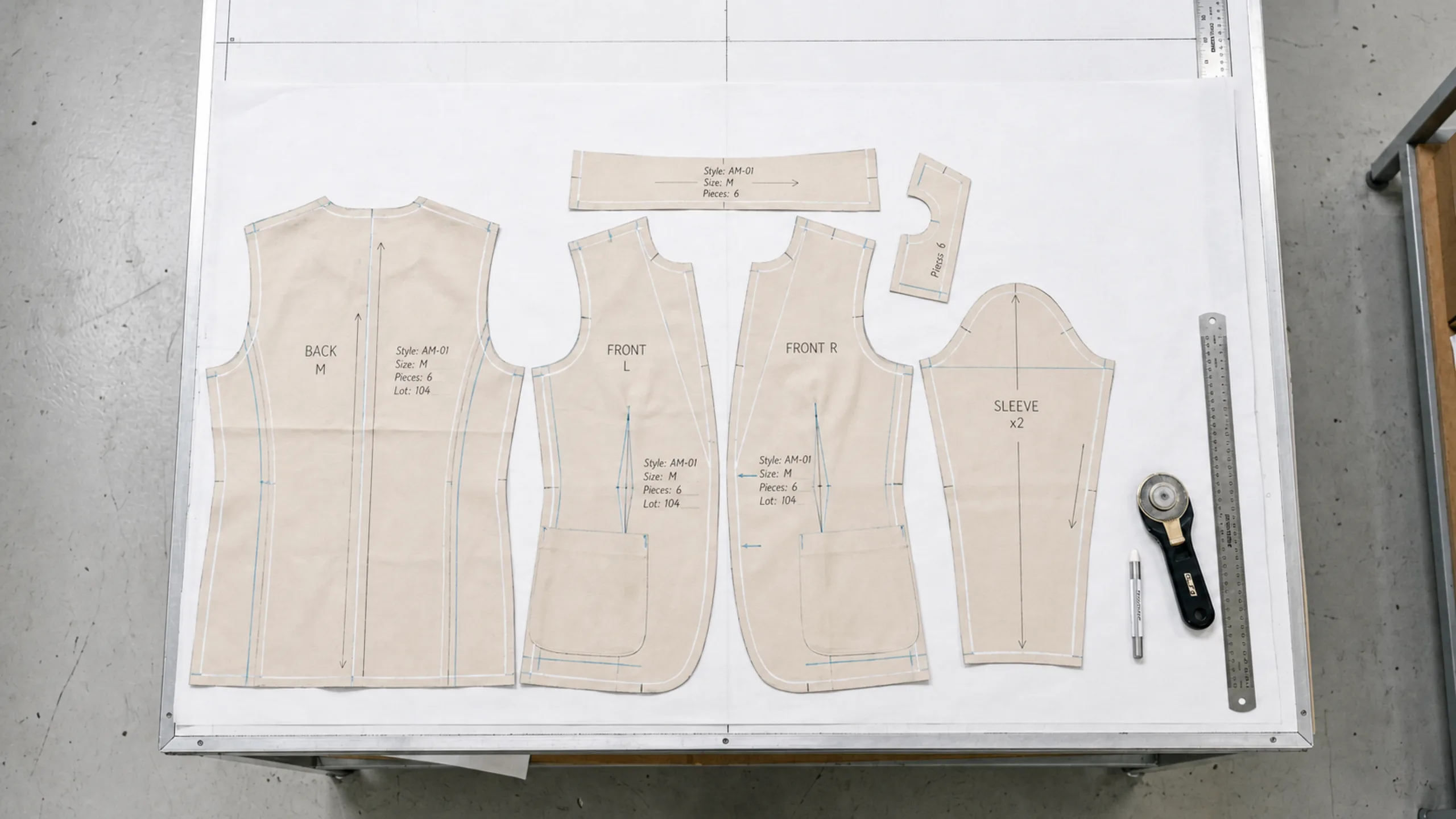
Add artwork, labels or packaging to a developed garment through Blank Apparel Customization. If fit, pattern, material or construction must be original, continue with Full Custom Clothing Manufacturing.
No. Piqué provides a familiar textured structure, while jersey can feel softer and more minimal. End use, climate, wash frequency and brand positioning should guide the choice.
Review stitch density, backing, needle, thread and placement with the selected fabric. A decorated sample is the reliable approval reference; digital artwork alone cannot confirm the final surface.
Custom trims can be reviewed within a private-label or full custom programme. Button material, colour, attachment and label details may affect MOQ and lead time, so include them in the initial brief.
Chest, body length, shoulder, sleeve opening, collar dimensions and placket length are key. Check grading across more than one size when the programme serves a broad team or workforce.