Map
Translate approved artwork into practical stone sizes, colours, spacing and a final placement template.
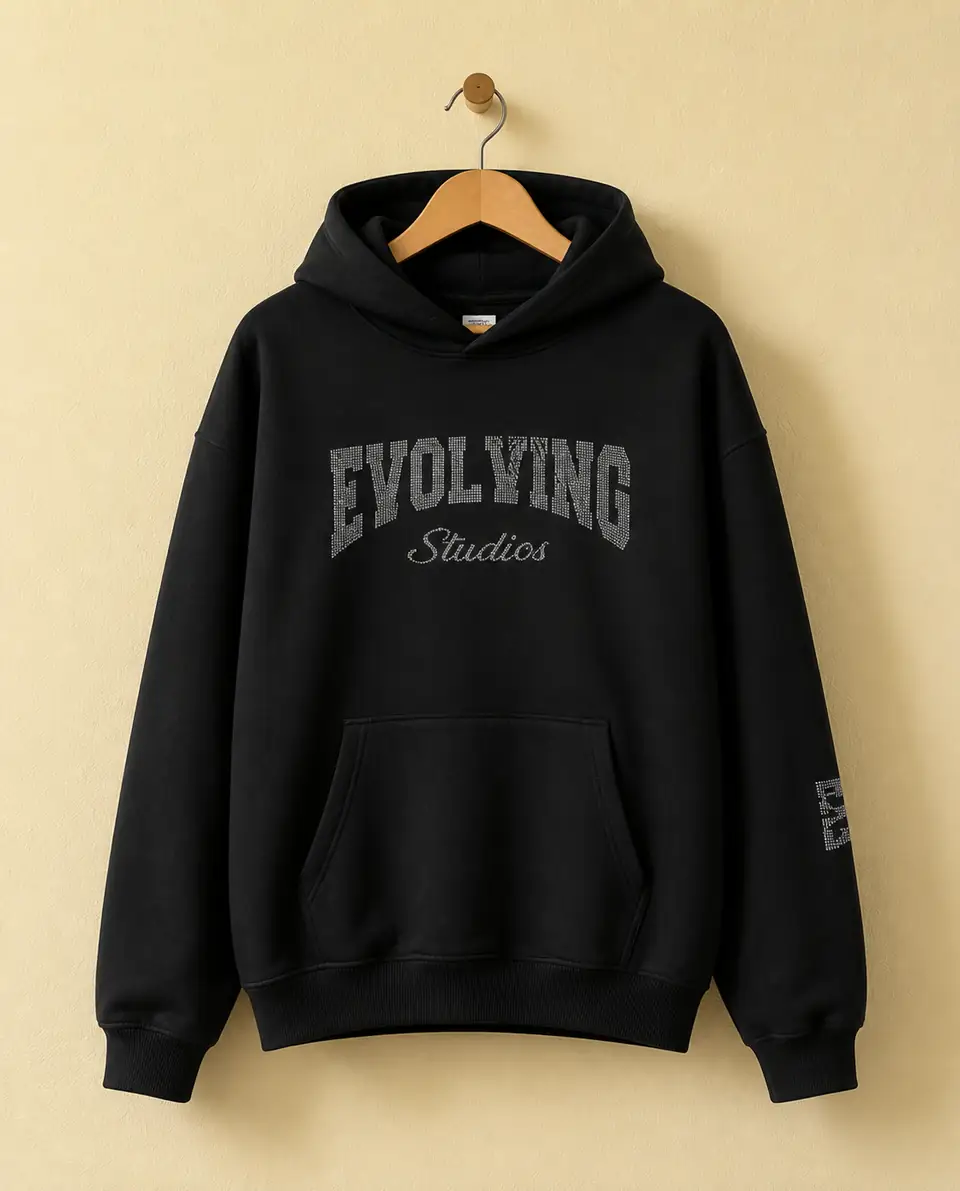
Plan hot-fix rhinestone decoration around stone size, artwork spacing, fabric stability, adhesive activation and finished-garment use.
Hot-fix rhinestones are decorative stones with heat-activated adhesive on the reverse. A transfer layout positions the stones, then controlled temperature, pressure and time bond them to a compatible garment surface.
The finished result depends on spacing, stone size, fabric texture, stretch, seams and the wearer’s intended use. Dense layouts add weight and stiffness, while unstable or heavily textured fabrics can reduce contact. DRIOV reviews artwork conversion, transfer placement and adhesion on the actual garment before production. The approved layout also records the exact stone size, colour, count and placement reference for repeat production.
Where it fits
Translate approved artwork into practical stone sizes, colours, spacing and a final placement template.
Confirm garment compatibility and set transfer handling, pressing protection, temperature, pressure and time.
Position and press the transfer evenly, then allow the adhesive system to cool as specified.
Check placement, stone count, adhesion, garment surface and wash performance against the approved sample.
One continuous sequence connects equipment, process control, physical results and the approval reference.
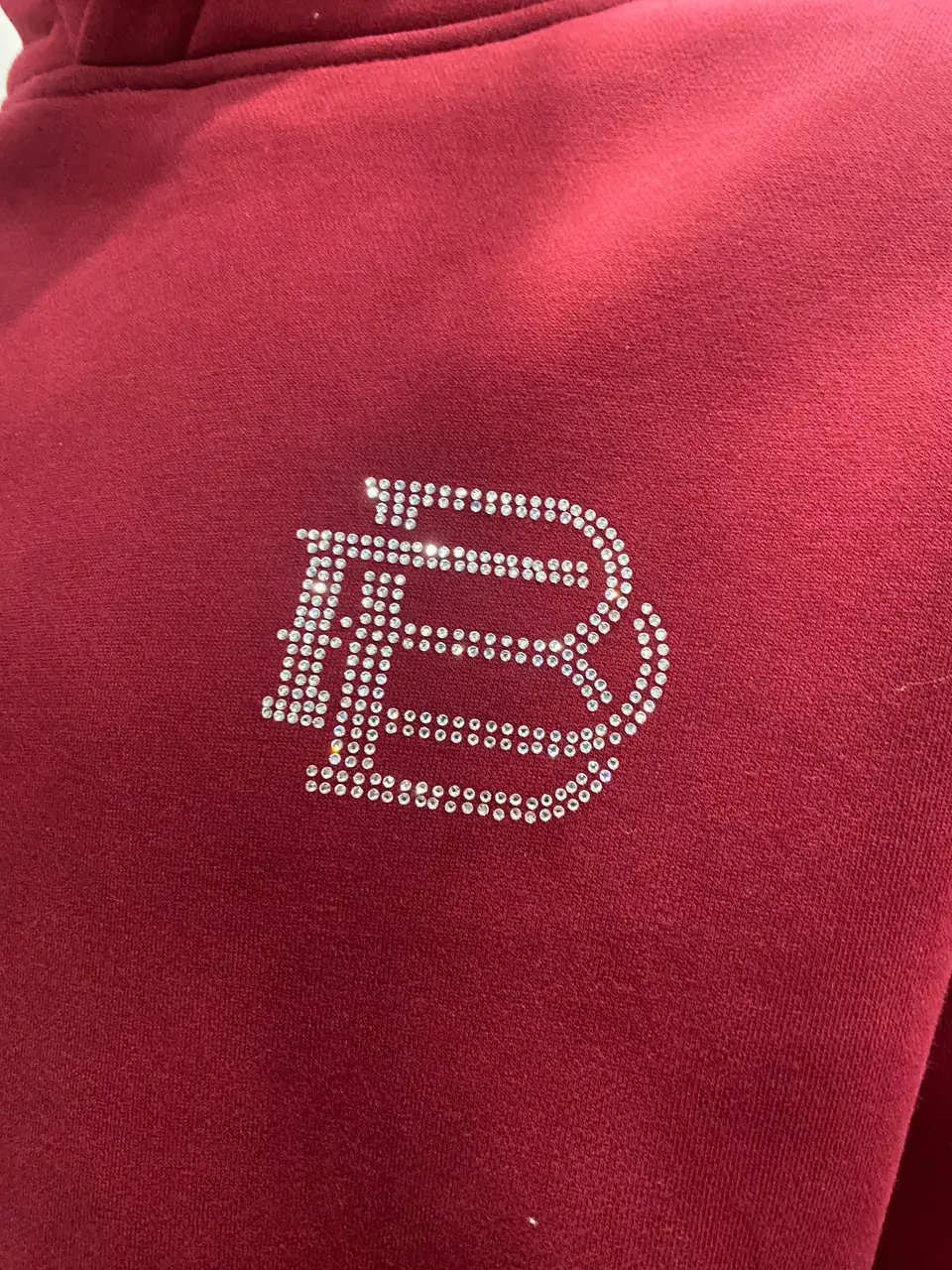
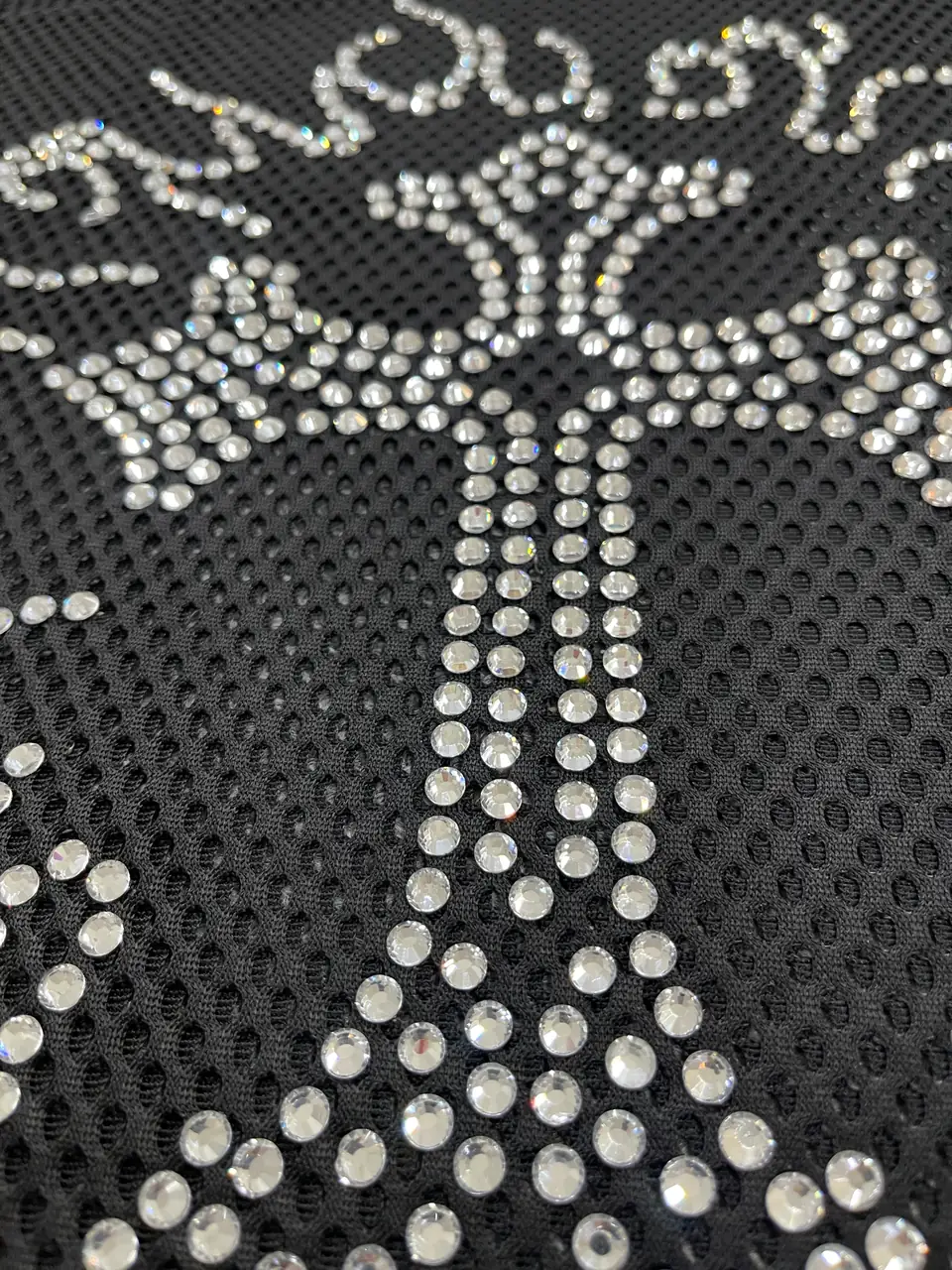
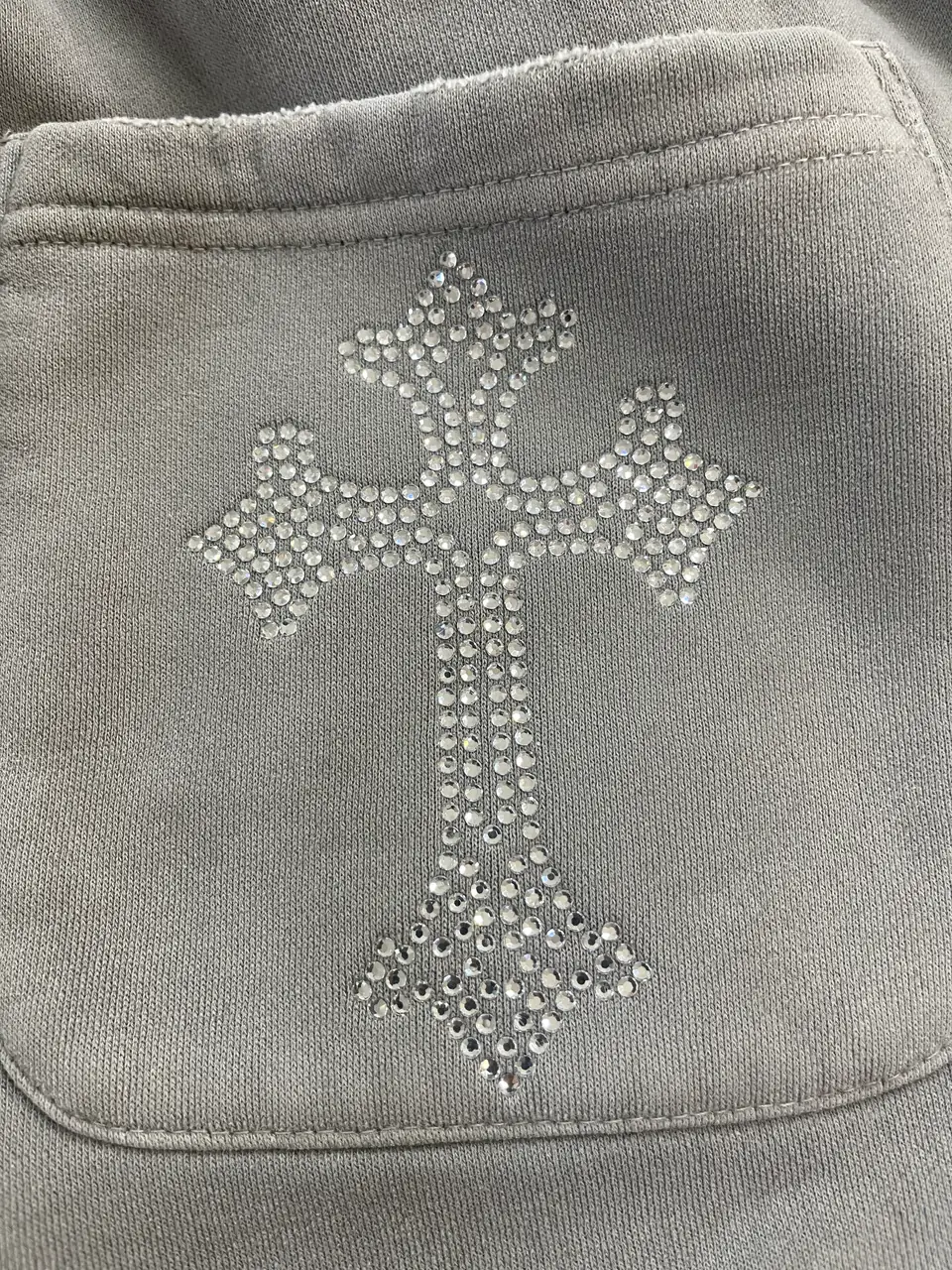
Set stone size, spacing, colour and count so the physical layout remains legible at the intended dimensions.
Read guideReview fibre, surface, stretch, seams and colour before defining pressure, temperature and pressing protection.
Read guideInspect missing or loose stones, edge lift, reverse impression, garment feel and wash response after cooling.
Read guideMany stable T-shirts, sweatshirts and hoodies can be considered, but fabric texture, stretch, coatings, seams and heat sensitivity must be tested on the exact garment.
Artwork must be simplified into individual stones with enough spacing to remain readable. Fine lines, tiny text and gradients may need another method or a revised design.
The sample is reviewed after correct pressing and cooling, then assessed for loose stones and the agreed wash or use conditions. Adhesion cannot be approved from a digital mock-up.
They may be combined when placement, sequence, heat exposure and garment surface are coordinated. The complete decorated garment should be sampled together.