Adapt
Prepare bold artwork with practical line width, spacing, height direction and final garment placement.
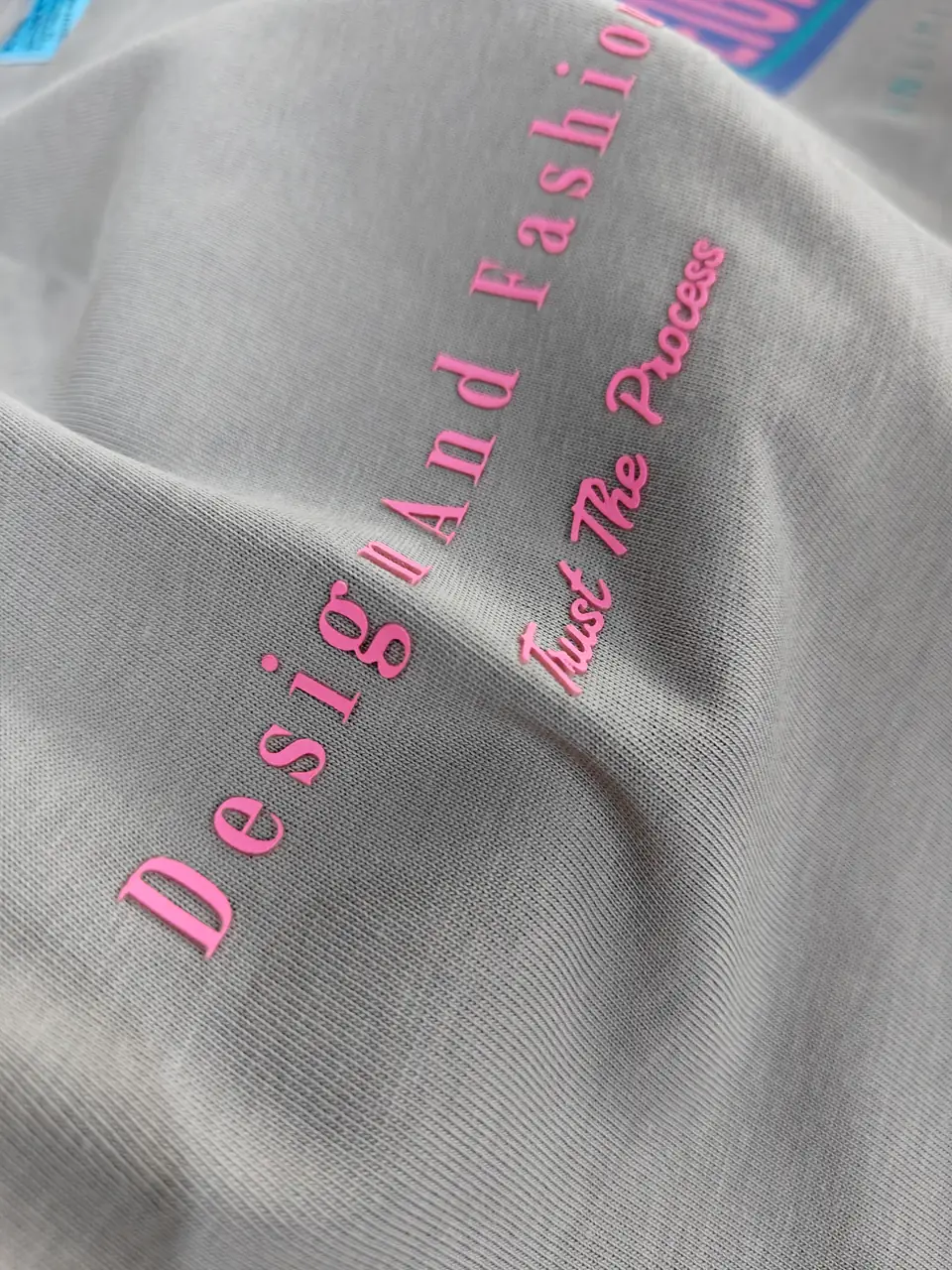
Develop high-density printing around bold artwork, layer build, ink deposit, garment stability, curing and an approved raised profile.
High-density printing builds a thick, raised ink deposit with a controlled profile and defined edges. It is used for selected lettering, logos and graphic accents where the design needs dimensional structure rather than a flat print surface.
Unlike puff printing, which expands during curing, high-density printing builds height through the stencil, ink system and controlled layers. Artwork needs practical spacing and the garment must remain stable under the print. DRIOV approves height, edge definition, colour, hand feel and curing on a physical garment sample.
Where it fits
Prepare bold artwork with practical line width, spacing, height direction and final garment placement.
Select the stencil and ink system, then create the required deposit through controlled print layers.
Stabilise the raised print under the approved curing conditions for the selected fabric and ink.
Compare height, edge definition, colour, flexibility and placement with the approved physical sample.
One continuous sequence connects equipment, process control, physical results and the approval reference.
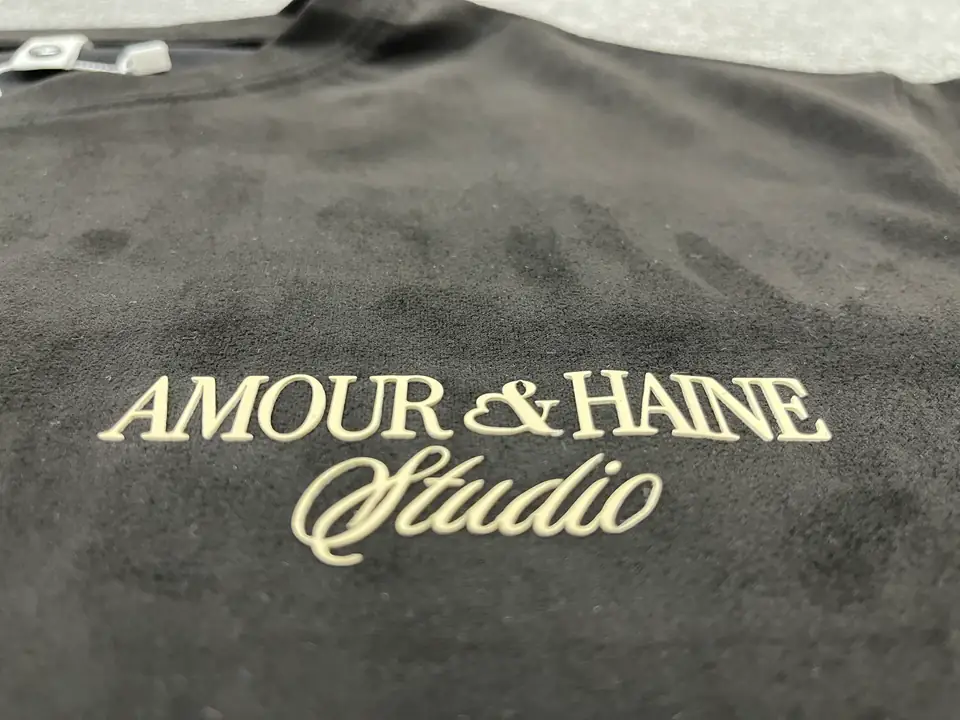
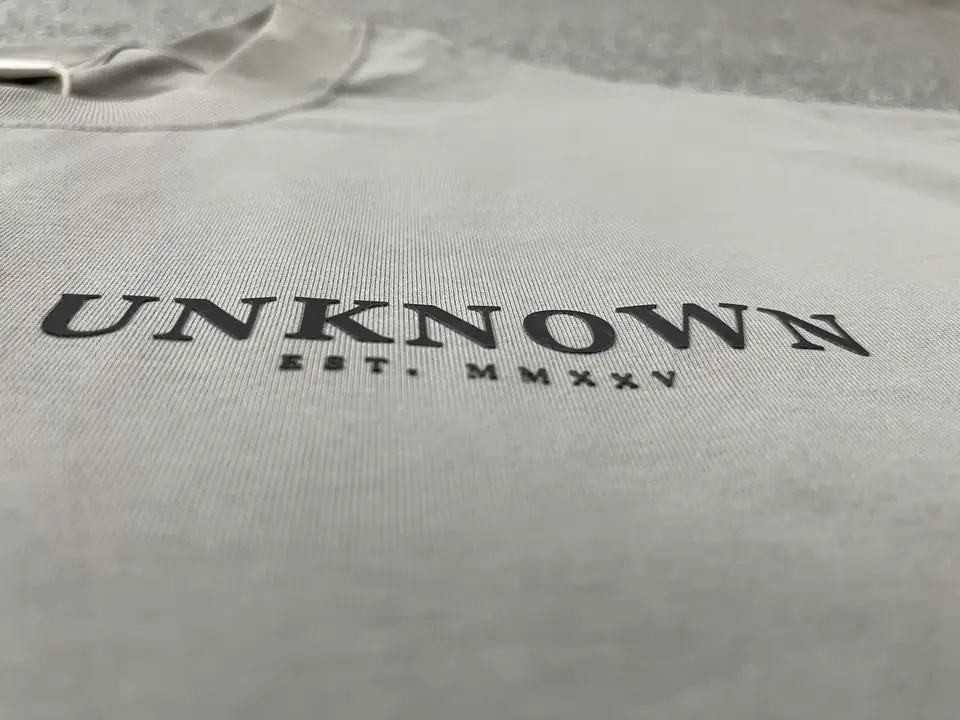
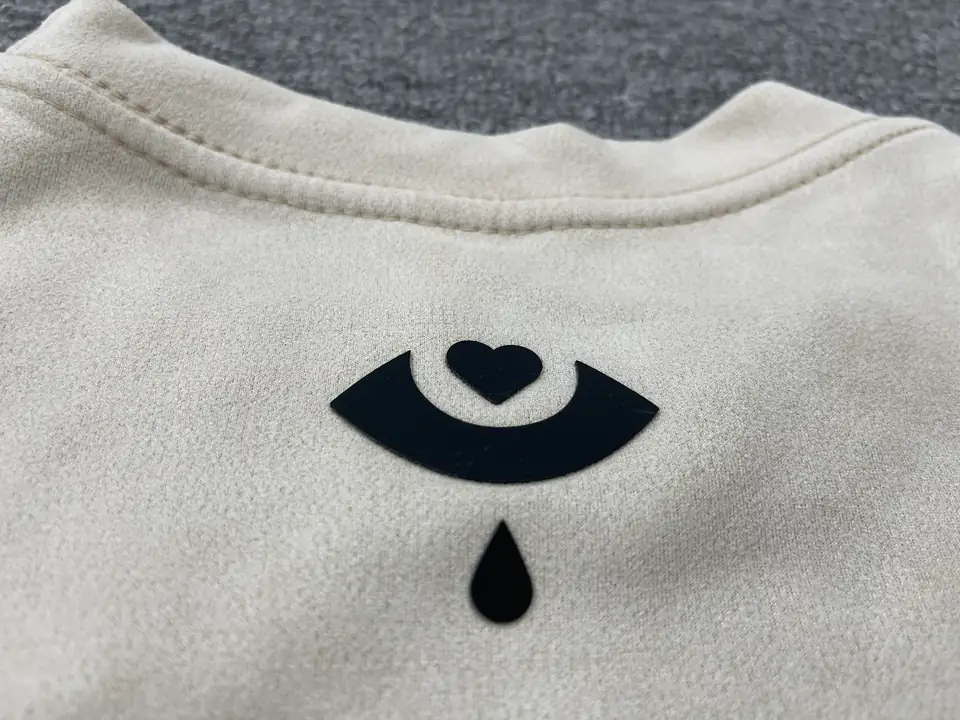
Use bold shapes, adequate spacing and realistic coverage so the printed edges remain clean at the approved height.
Read guideMatch stencil, ink deposit, layer sequence and curing to the selected garment surface.
Read guideReview height, corners, surface, cracking risk and garment hand feel on the cured physical sample.
Read guideProcurement paths
The method page owns technical decisions. Product and manufacturing pages define the garment foundation, development scope and enquiry route.
Connect edge profile, garment fit, material and finishing in one physical sample.
Review route Method comparisonChoose a controlled raised deposit or an expanded surface from the intended artwork effect.
Review route Process foundationPlan registration, ink, garment compatibility and curing across flat and raised print areas.
Review route Compatible garmentCheck garment stability, surface and placement before building raised ink layers.
Review routeNo. Puff ink expands during curing, while high-density printing builds a thicker deposit with a more controlled profile and defined edges. Both require artwork and sample development for the intended garment.
Bold lettering, logos and separated graphic accents are practical starting points. Very fine lines, gradients and crowded detail can lose definition at a raised height.
Often yes, when layer sequence, registration, curing and total coverage are planned together. Approve the combined result on the physical garment.
Stencil, ink system, deposit and print sequence establish the profile. Production is checked against the approved sample and a realistic tolerance rather than a digital rendering.