Preflight
Check vector or high-resolution artwork, spot colours, dimensions, placements and garment references for production readiness.
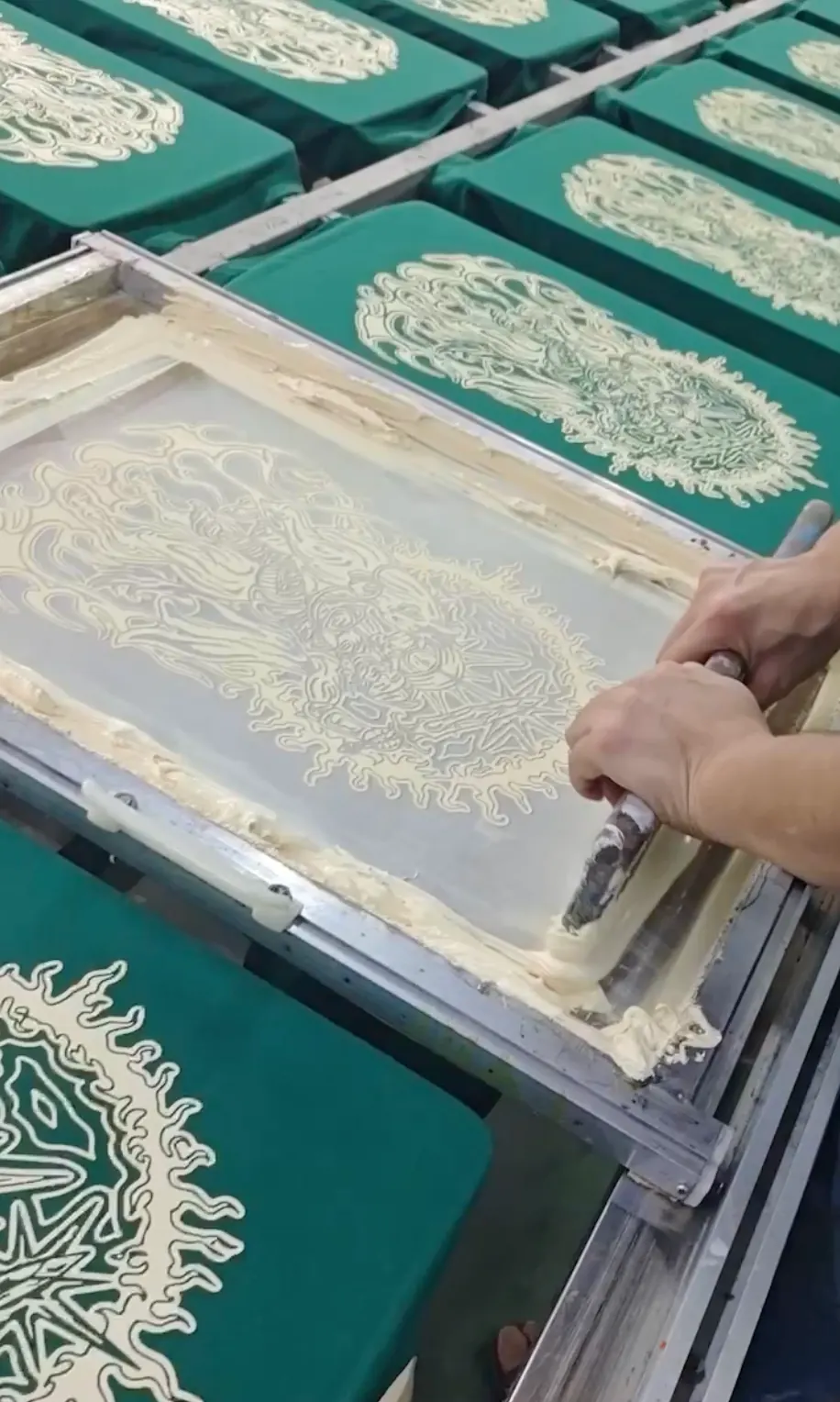
Plan custom apparel screen printing around garment fabric, artwork, ink system, placement and the production quantity rather than treating print as a separate final step.
Apparel screen printing pushes ink through a prepared mesh stencil onto the garment surface, normally one colour layer at a time. It is widely used for wholesale T-shirt printing, hoodies, sweatshirts and brand merchandise because it can create strong, repeatable graphics when artwork, mesh, ink and curing are correctly matched.
The finished result depends on more than the print file. Cotton jersey, brushed fleece, stretch fabrics, dark garments and coated outerwear can require different ink or pretreatment decisions. DRIOV reviews colour count, printable area, seam clearance, opacity and hand feel on the intended garment before the production method is confirmed.
Where it fits
Check vector or high-resolution artwork, spot colours, dimensions, placements and garment references for production readiness.
Select mesh, stencil, ink direction, underbase and registration plan for the chosen fabric and colour.
Print an approval sample to review colour, opacity, edge detail, hand feel, placement and curing performance.
Compare registration, print position, colour and curing against the approved reference during the wholesale run.
One continuous sequence connects equipment, process control, physical results and the approval reference.
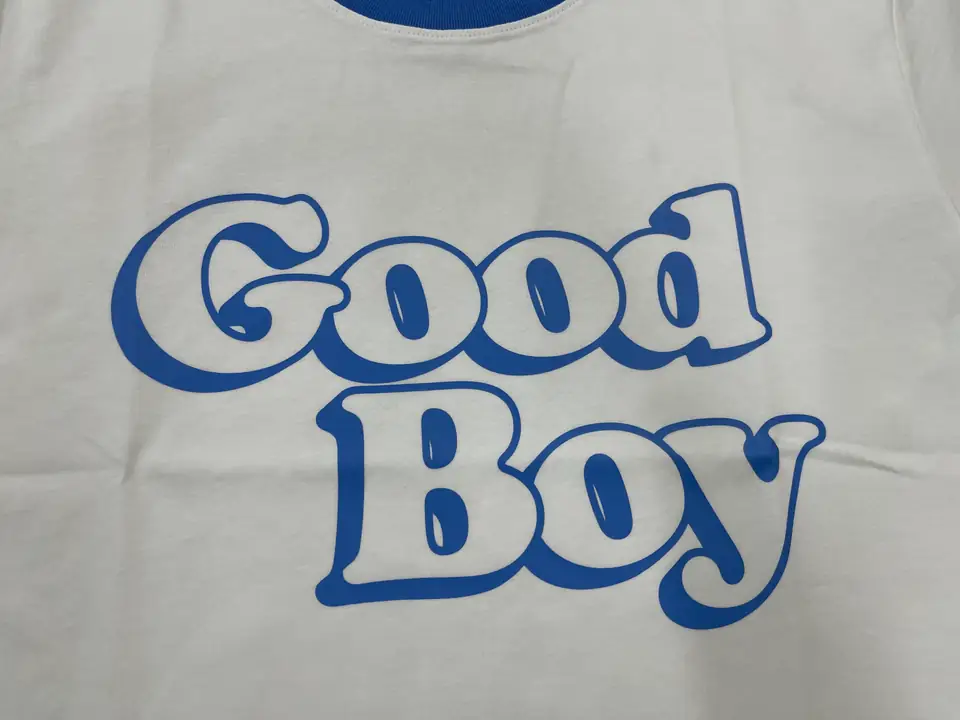
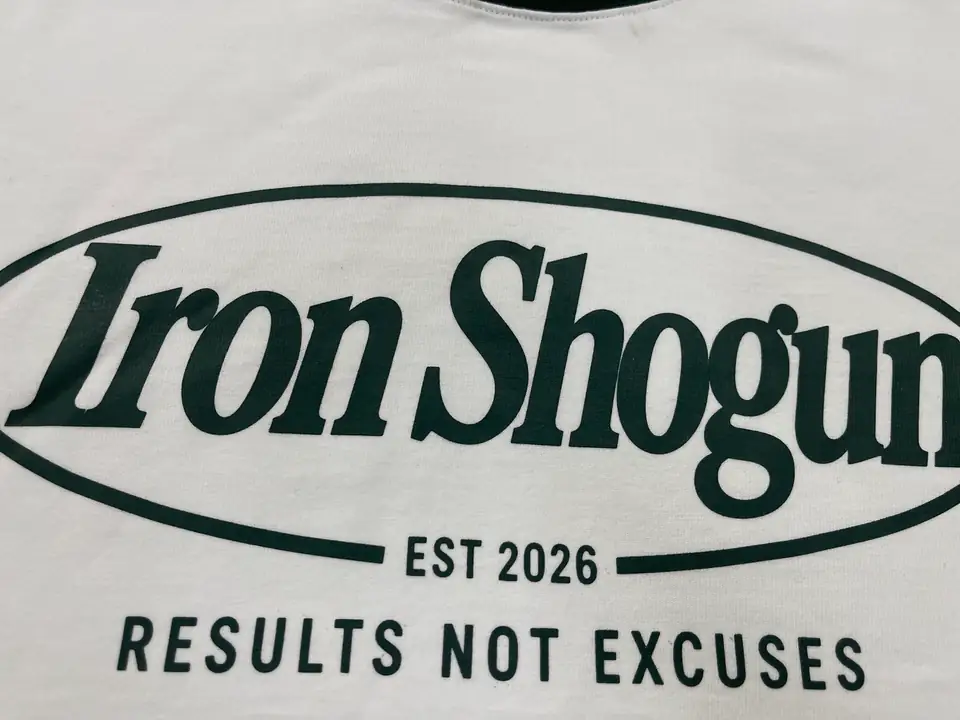
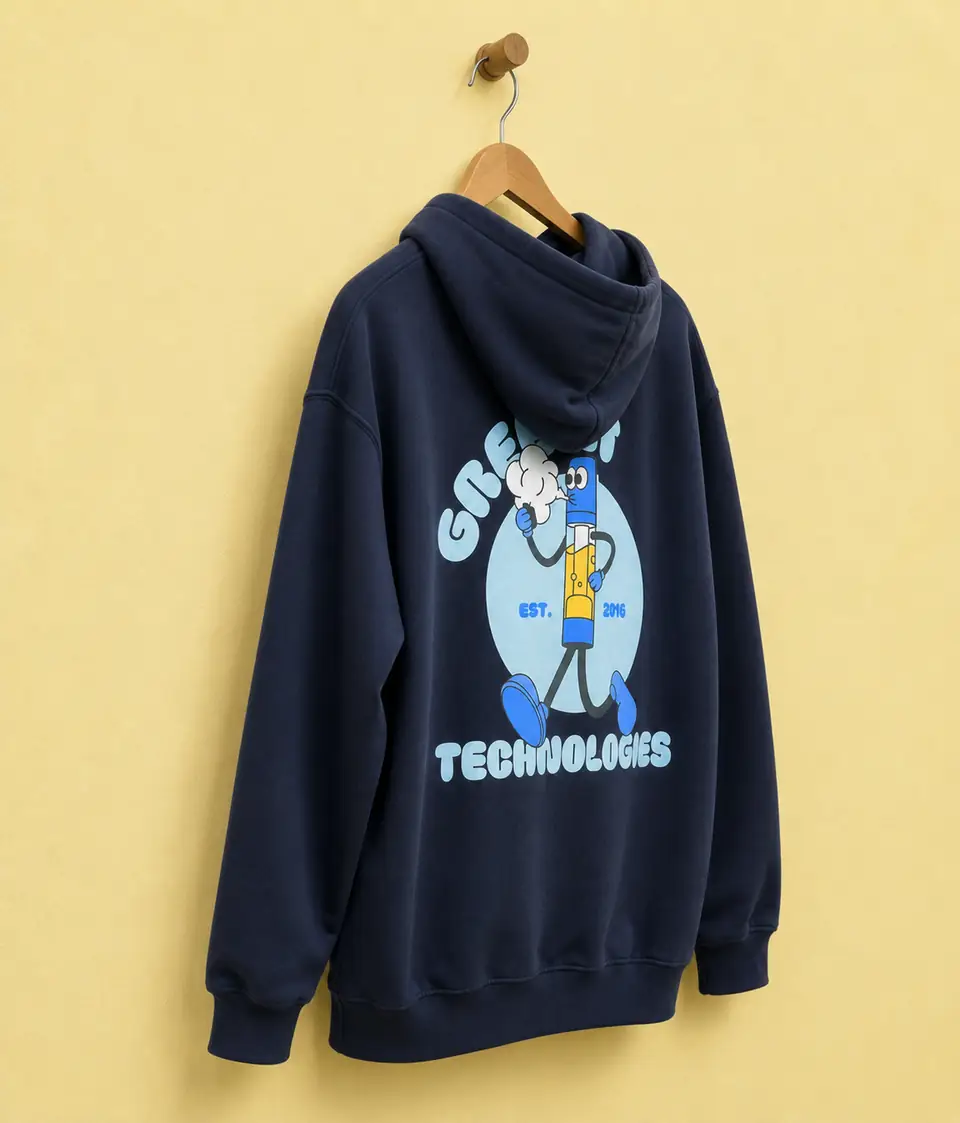
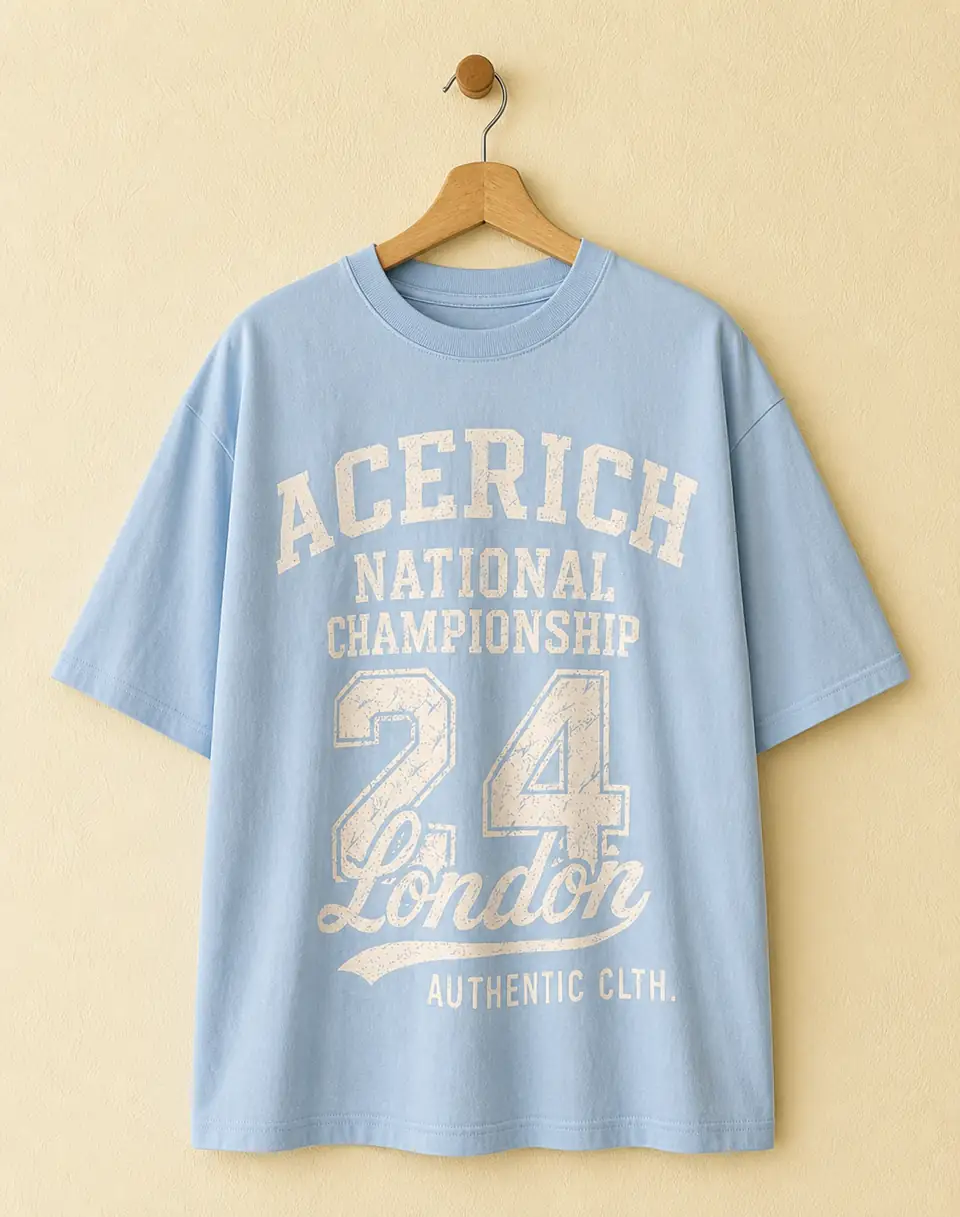
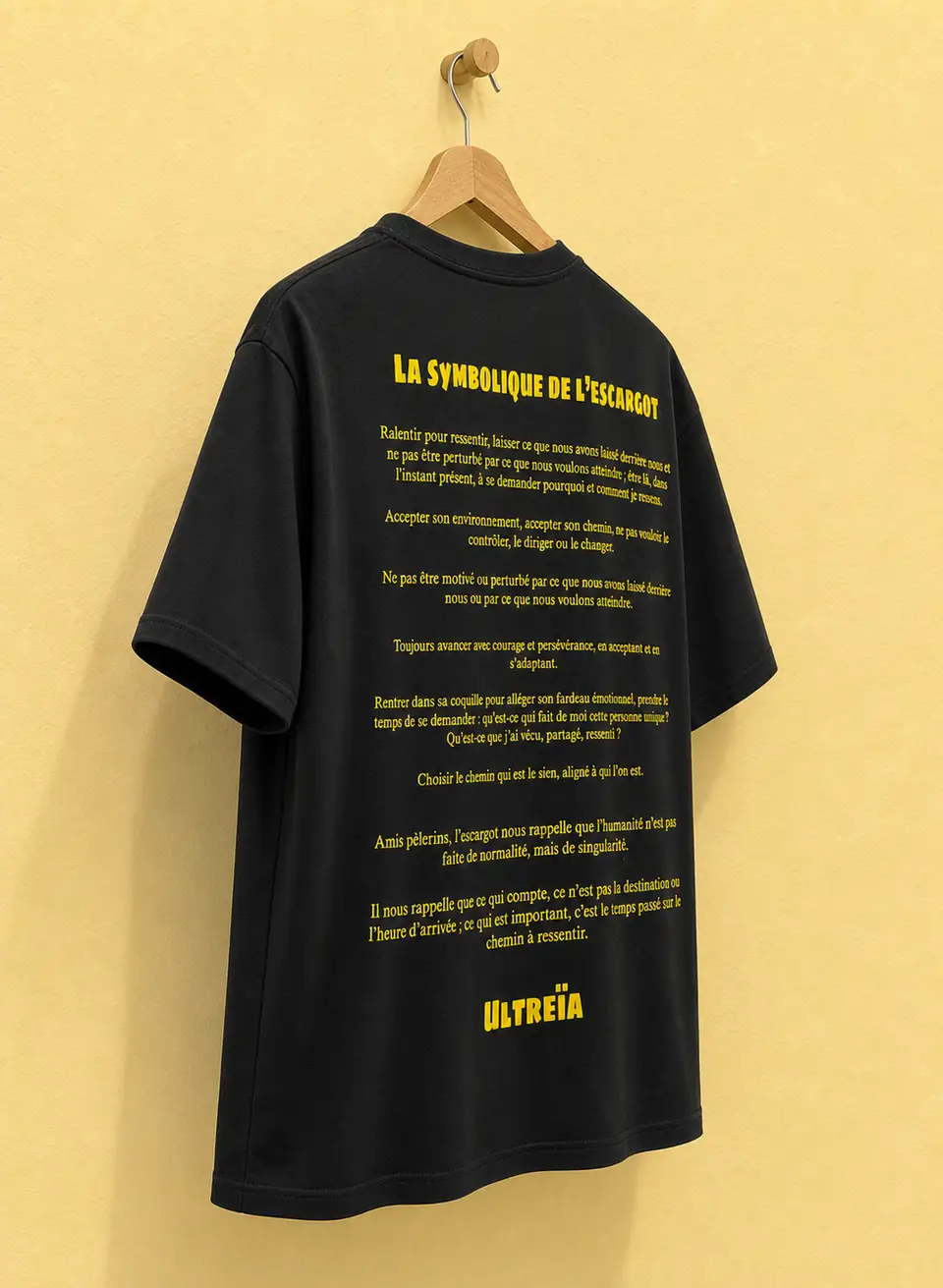
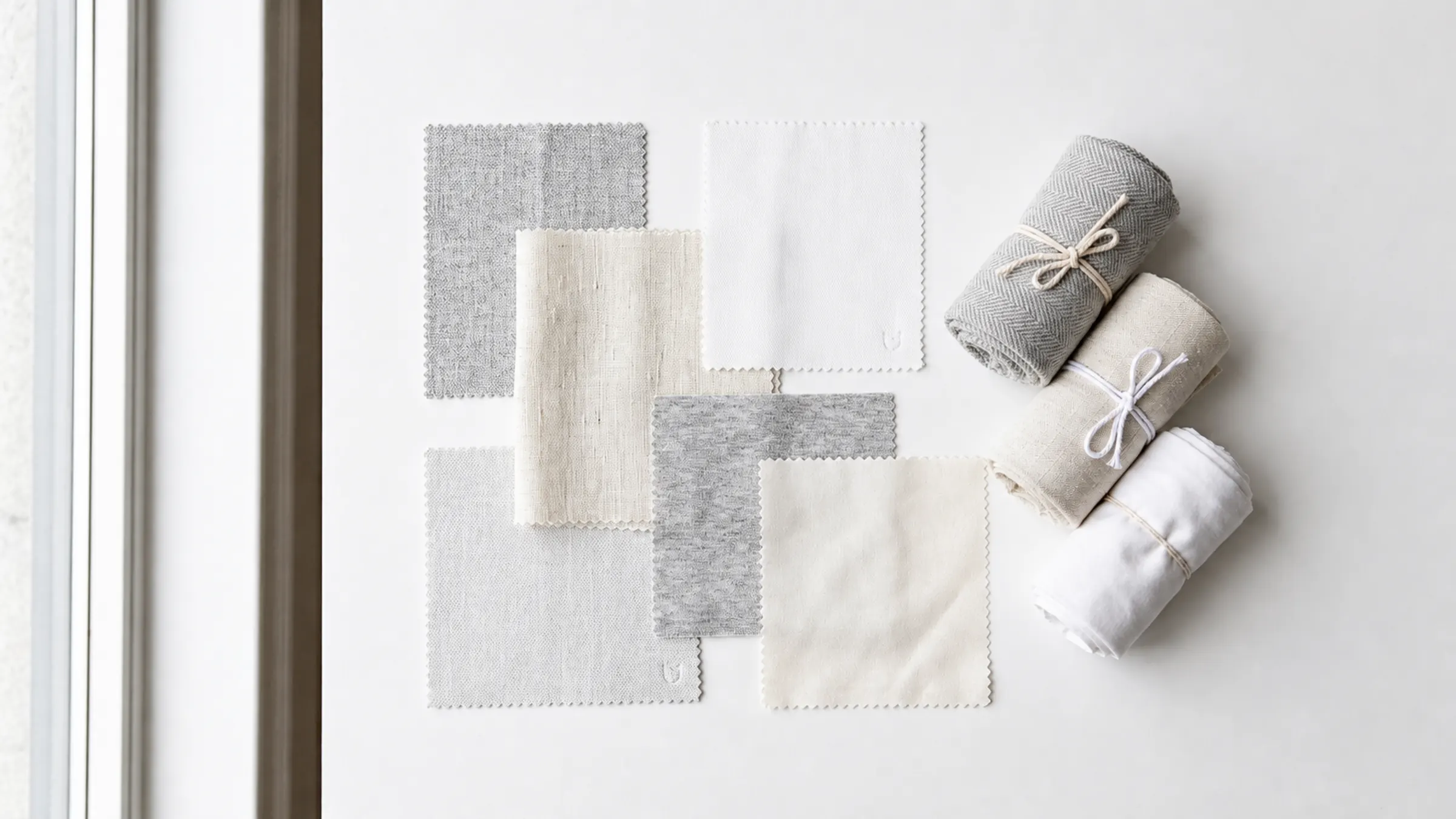
Review line width, halftones, underbase, colour count and final dimensions before screens are prepared.
Read guide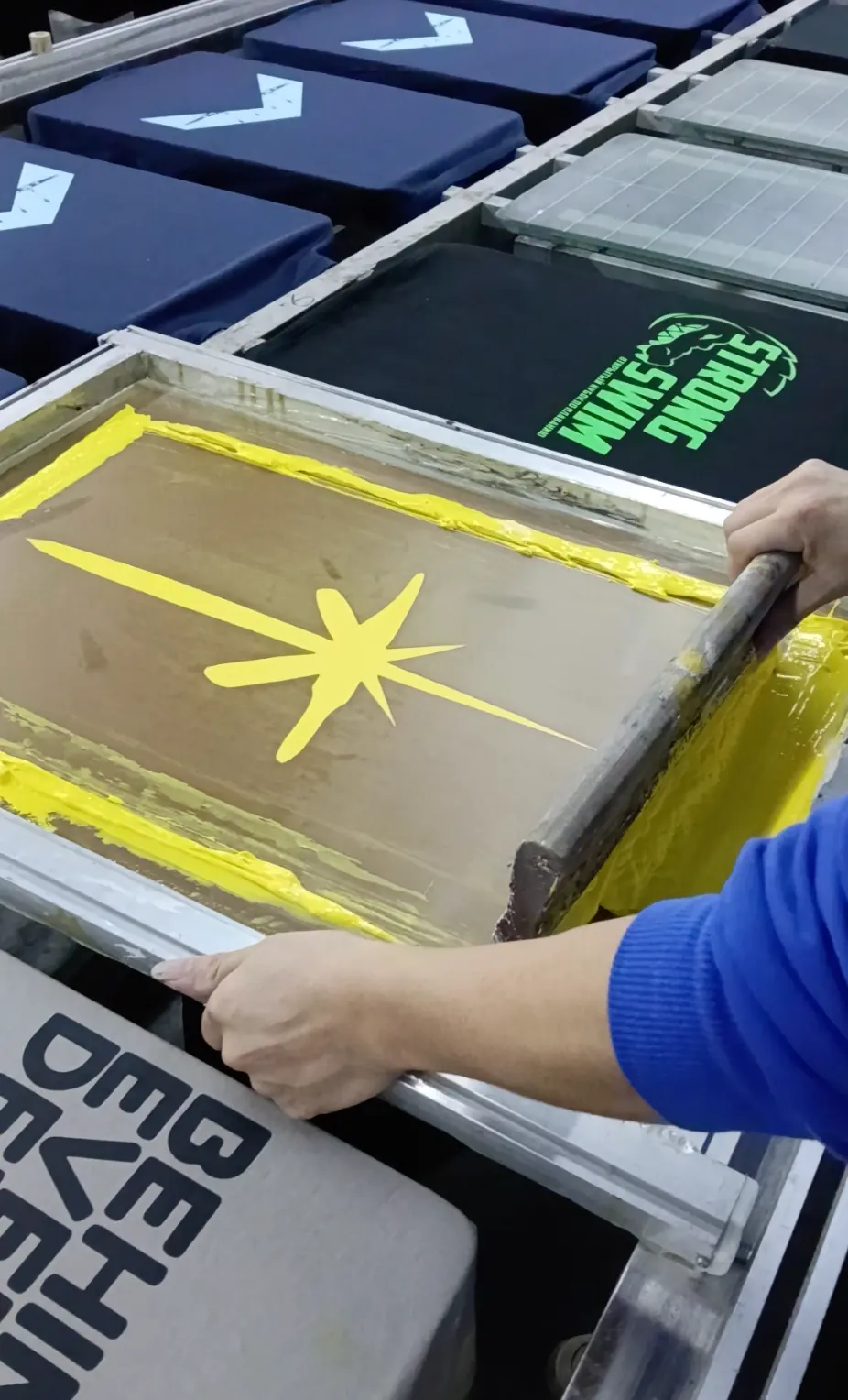
Choose the print system after fabric composition, colour, stretch, surface and required hand feel are known.
Read guideAllow for seams, pockets, rib and size grading, then verify curing conditions and wash behaviour on a decorated sample.
Read guideProcurement paths
The method page owns technical decisions. Product and manufacturing pages define the garment foundation, development scope and enquiry route.
Keep the accepted fit and construction, then approve artwork, ink, placement and the repeat-order record.
Review route Original garment routeUse Full Custom when fit, fabric or construction must change with the decoration plan.
Review route Compatible garmentCompare the garment surface and fit before adapting screen-print artwork.
Review route Compatible garmentCheck fleece, seams, pockets and garment thickness with the intended print.
Review routeOften yes. A stable print surface can support strong graphics, but fleece texture, seams, garment thickness and curing still need review. The exact artwork should be tested on the selected garment.
The practical number depends on artwork, equipment, registration, garment colour, quantity and budget. More colours are possible, but they add screens and production control, so simplify only when it protects the intended design.
Halftones or an alternative process may reproduce tonal artwork, but the result depends on resolution, dot structure, ink and fabric. Review a strike-off rather than approving from a monitor alone.
Curing conditions, ink system, fabric and wash method all matter. A decorated sample can be tested against the agreed care method before bulk; no universal wash result should be assumed for every garment.