Review
Confirm artwork, transfer type, fabric composition, garment colour, dimensions and placement.
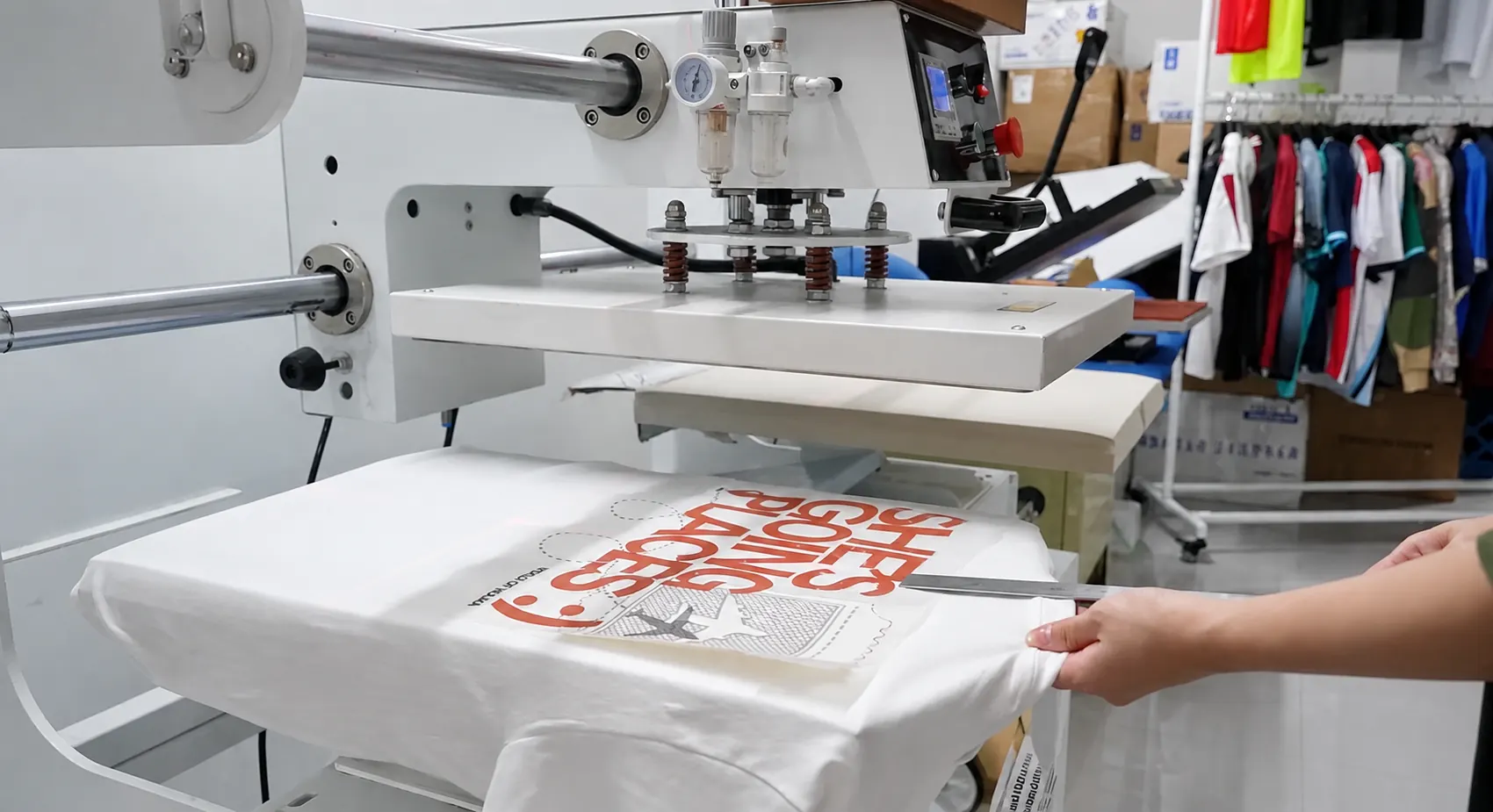
Plan heat-transfer printing around the transfer material, fabric, artwork, placement, pressing conditions and intended garment use.
Heat transfer printing bonds a prepared graphic to the garment with controlled temperature, pressure and time. Depending on the project, the transfer may support names, numbers, small brand marks, detailed graphics or selected effects that would be impractical to build with separate screens.
A transfer must be matched to the fabric and intended use. Stretch, coatings, heat sensitivity, seams and wash conditions can change adhesion, surface and comfort. DRIOV reviews the transfer type, artwork, printable area and application settings on the selected garment before production.
Where it fits
Confirm artwork, transfer type, fabric composition, garment colour, dimensions and placement.
Establish pressing temperature, pressure, time, protection and peel method for the selected materials.
Apply the graphic to the intended garment and check appearance, adhesion, stretch and hand feel.
Use the approved placement and press settings while checking edges, registration and surface condition.
One continuous sequence connects equipment, process control, physical results and the approval reference.
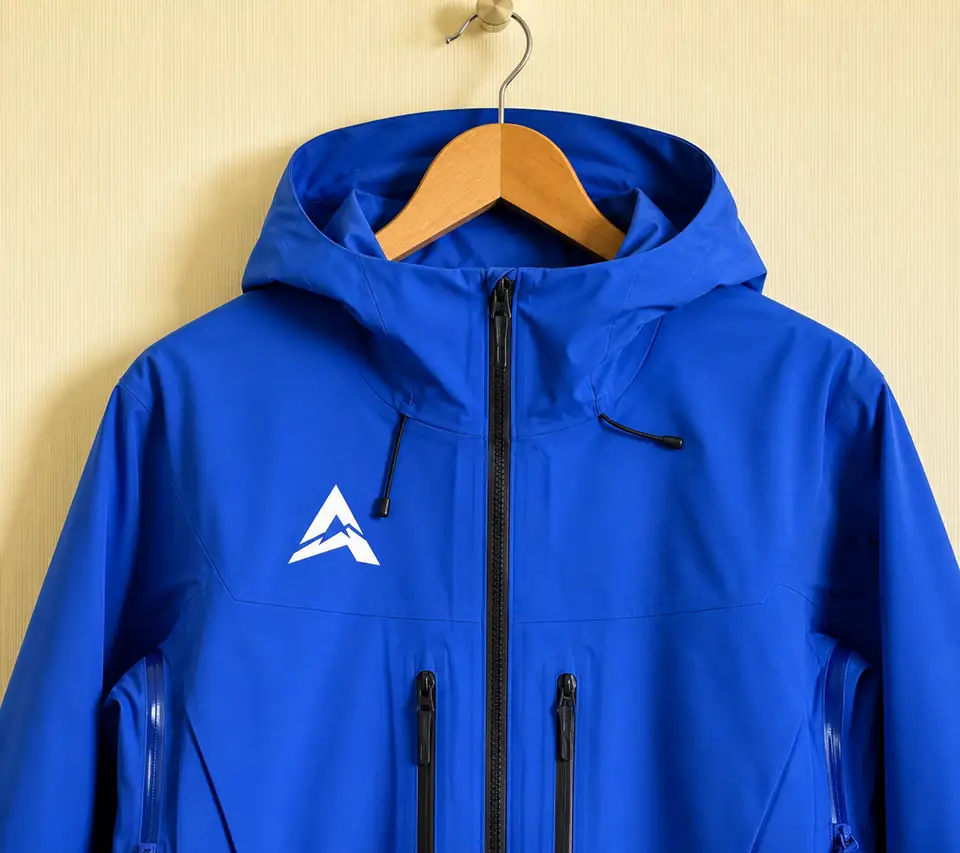
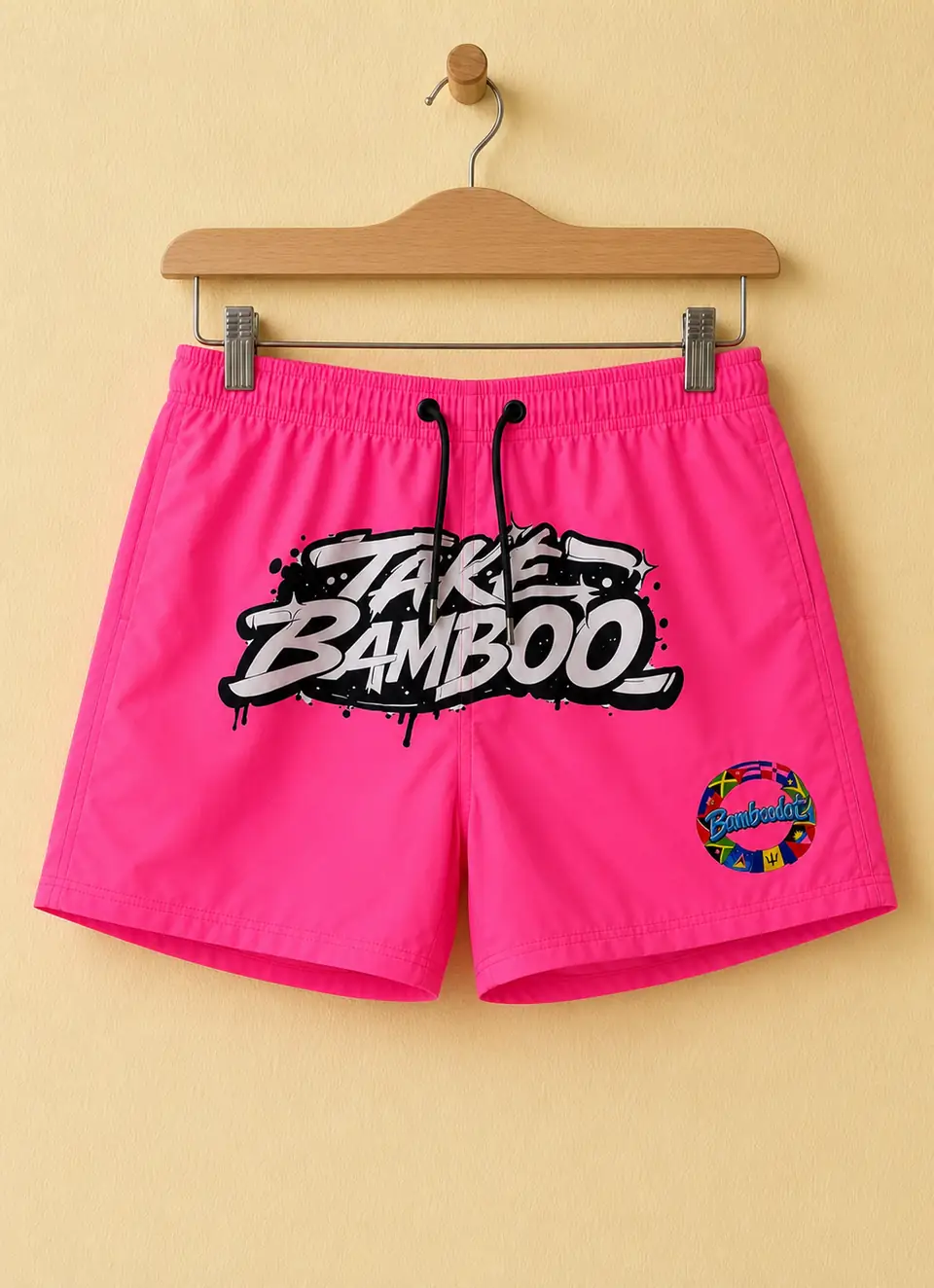
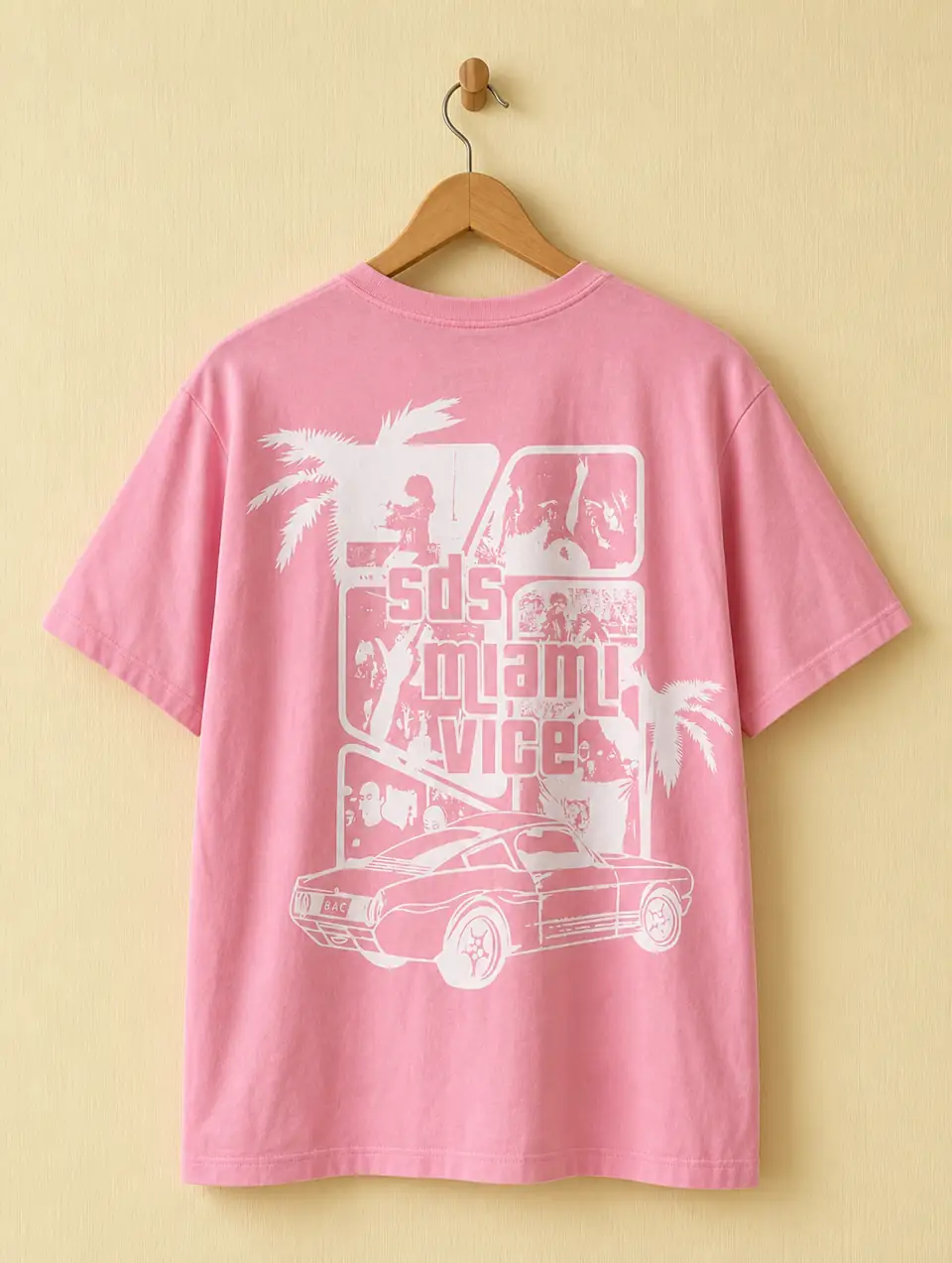
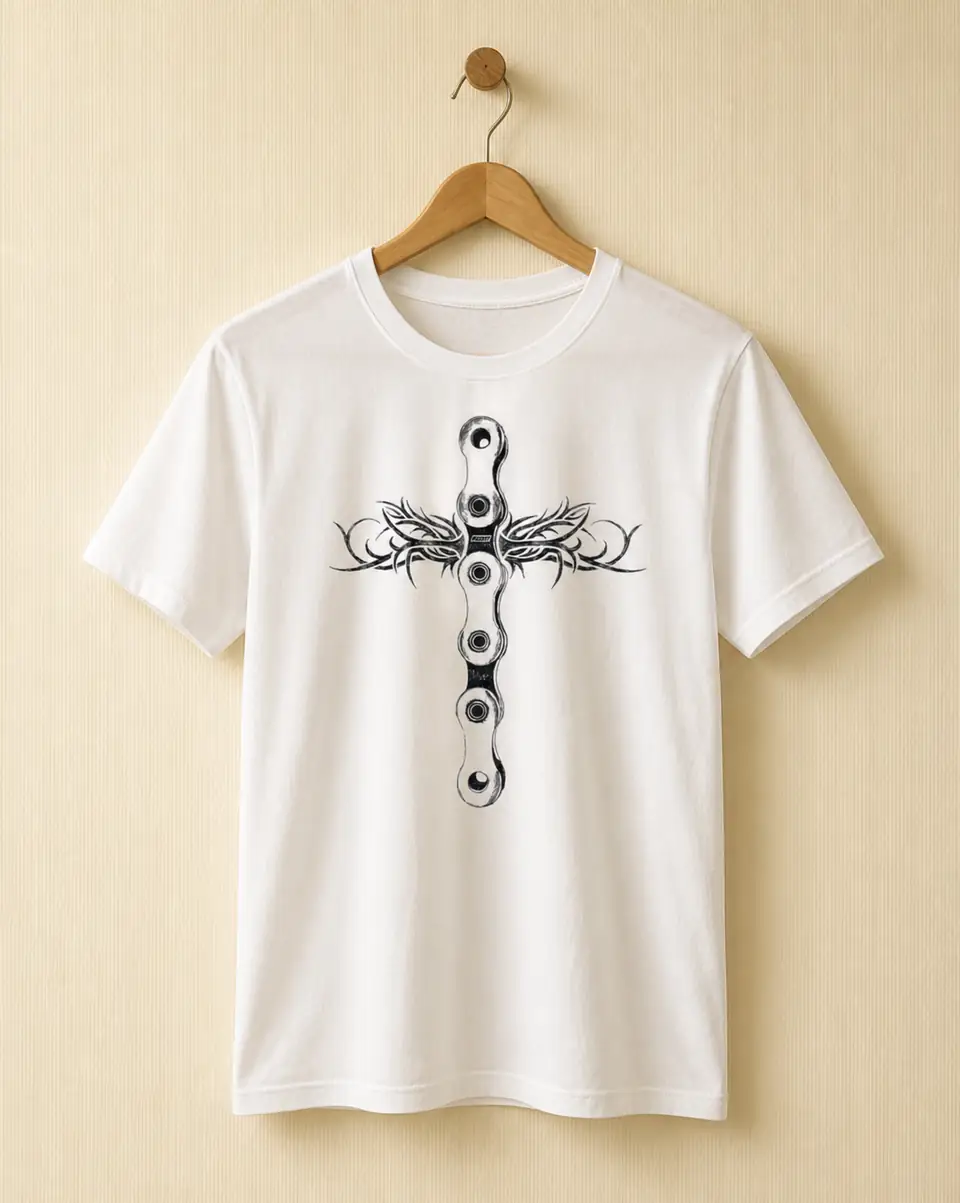
Match film, adhesive, ink or transfer construction to the fabric, stretch, colour and intended use.
Read guideAllow for seams, ribs, pockets and panel shape so heat and pressure reach the entire graphic evenly.
Read guide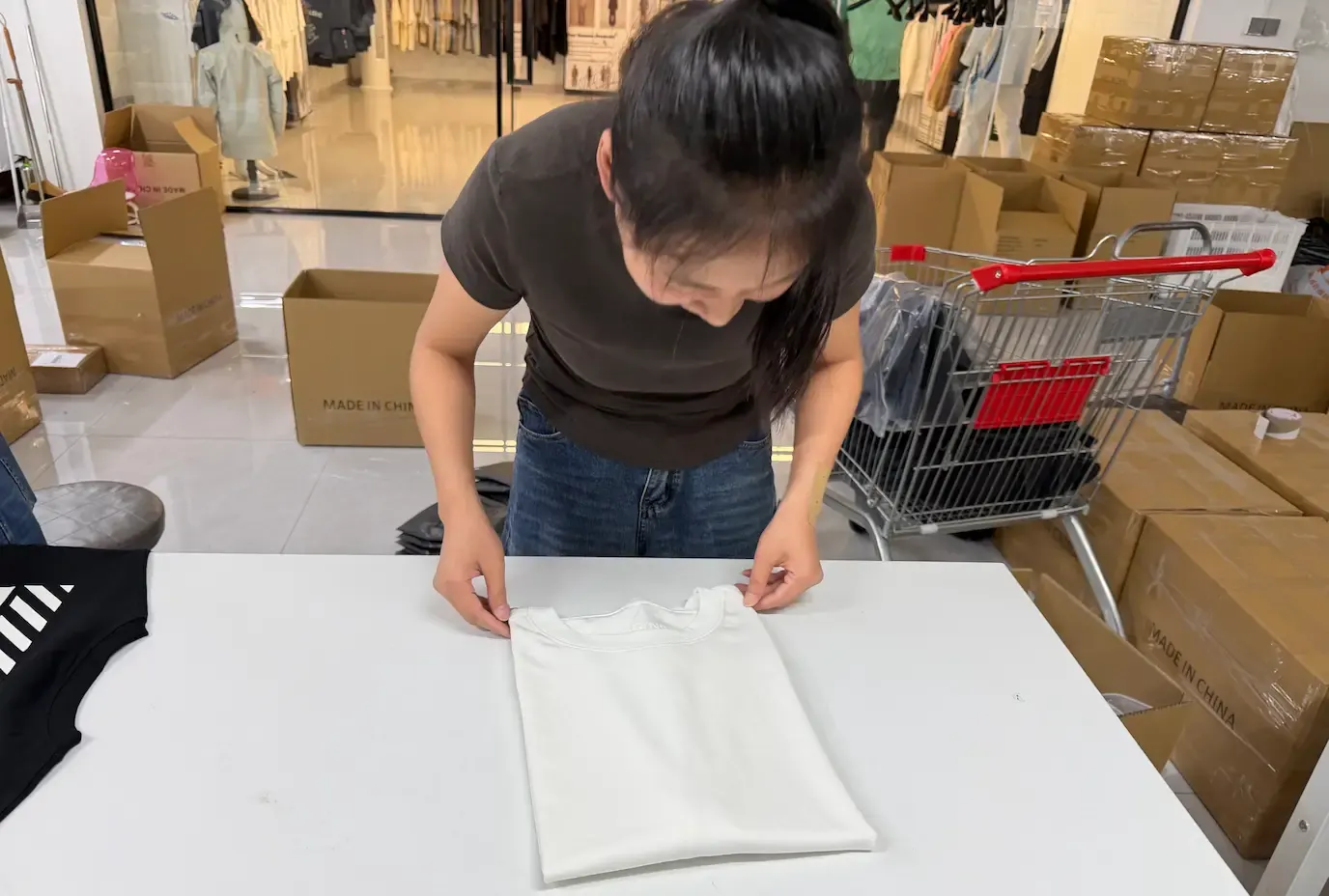
Review edge adhesion, stretch, surface, colour and wash behaviour after cooling and finishing.
Read guideProcurement paths
The method page owns technical decisions. Product and manufacturing pages define the garment foundation, development scope and enquiry route.
Confirm garment surface, heat sensitivity, placement and repeat settings before production.
Review route Original garment routeUse Full Custom when panels, seams or construction must be designed around the decoration.
Review route Compatible garmentCompare fabric, colour and hand-feel direction with the intended transfer coverage.
Review routeMany cotton, polyester and blended garments can be considered, but heat sensitivity, coatings, stretch and surface texture must be checked on the exact garment.
Yes, this is a common use because individual names or numbers can be prepared without separate screens for every variation. Font, size, material and placement still need approval.
That depends on graphic coverage, transfer construction and fabric. Large solid areas usually affect hand feel more than small or segmented artwork.
Adhesion depends on material, press settings, garment and care method. Review a correctly applied sample and test it against the agreed use and care direction.