Silhouette
Translate words such as boxy, cropped, relaxed or oversized into measurable garment relationships.
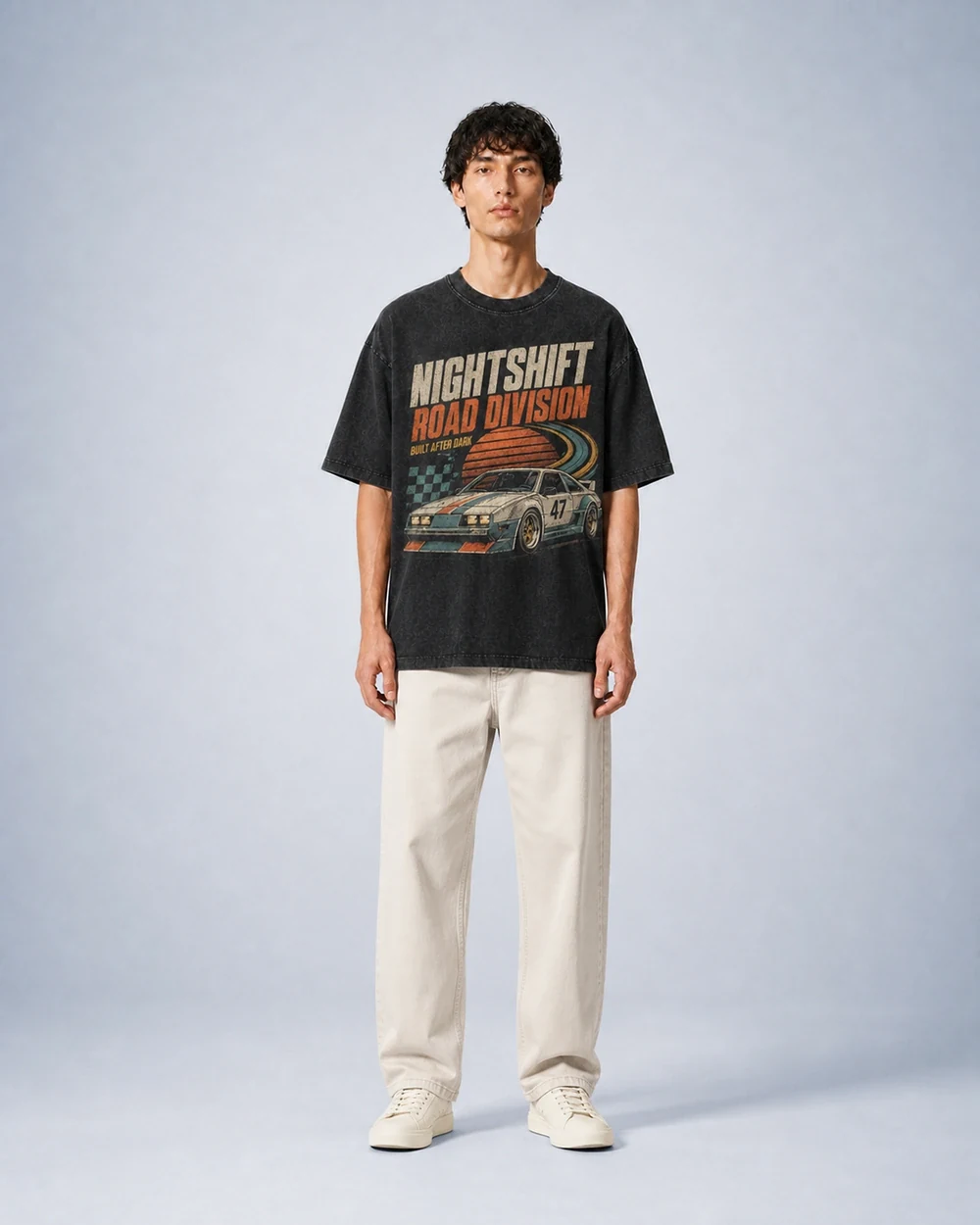
Streetwear manufacturing translates creative direction into measurable fit, compatible materials, practical construction and decoration that works on the finished garment. Terms such as heavyweight, oversized and vintage are starting points, not complete production specifications.
DRIOV reviews the project through either full custom development or a developed blank route, depending on what must be original and what can remain fixed.
Each decision should be visible on a sample or specification before the collection moves into production.
Review fit and garment measurementsTranslate words such as boxy, cropped, relaxed or oversized into measurable garment relationships.
Compare structure, knit or weave, surface, drape, weight direction and finishing on a physical reference.
Place print, embroidery or dimensional decoration around seams, texture, stretch and garment proportions.
Approve washing, fading, distressing and natural variation as a controlled range rather than an identical digital effect.
Keep the accepted fit, material, decoration, labels, packaging and inspection criteria connected for later orders.
T-shirts and hoodies are common starting points, but bottoms, denim and coordinated sets require their own fit, construction and finishing controls.
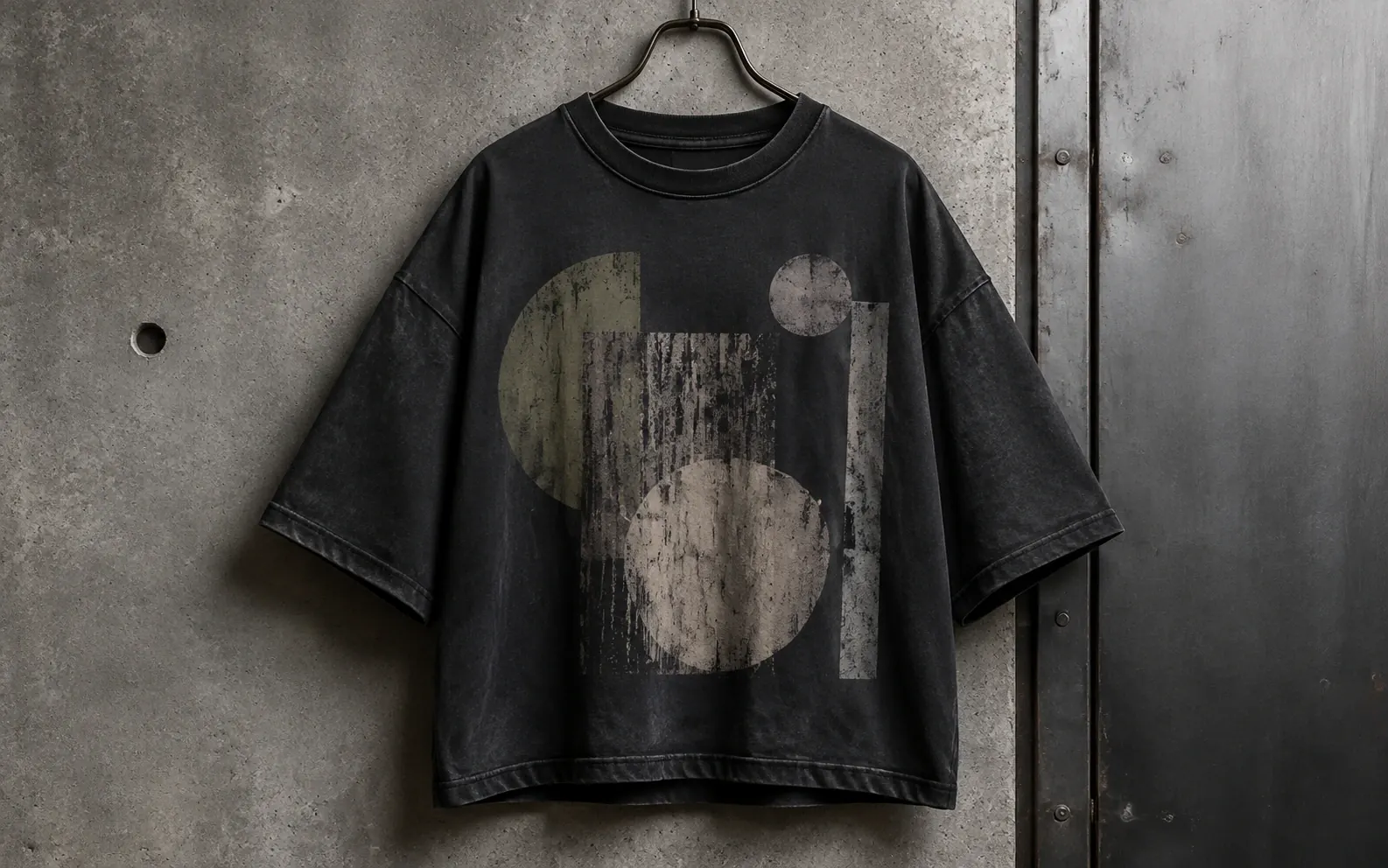
Define body width, length, shoulder position, sleeve proportion, neckline, hood volume and rib balance before treating boxy or oversized as a finished specification.
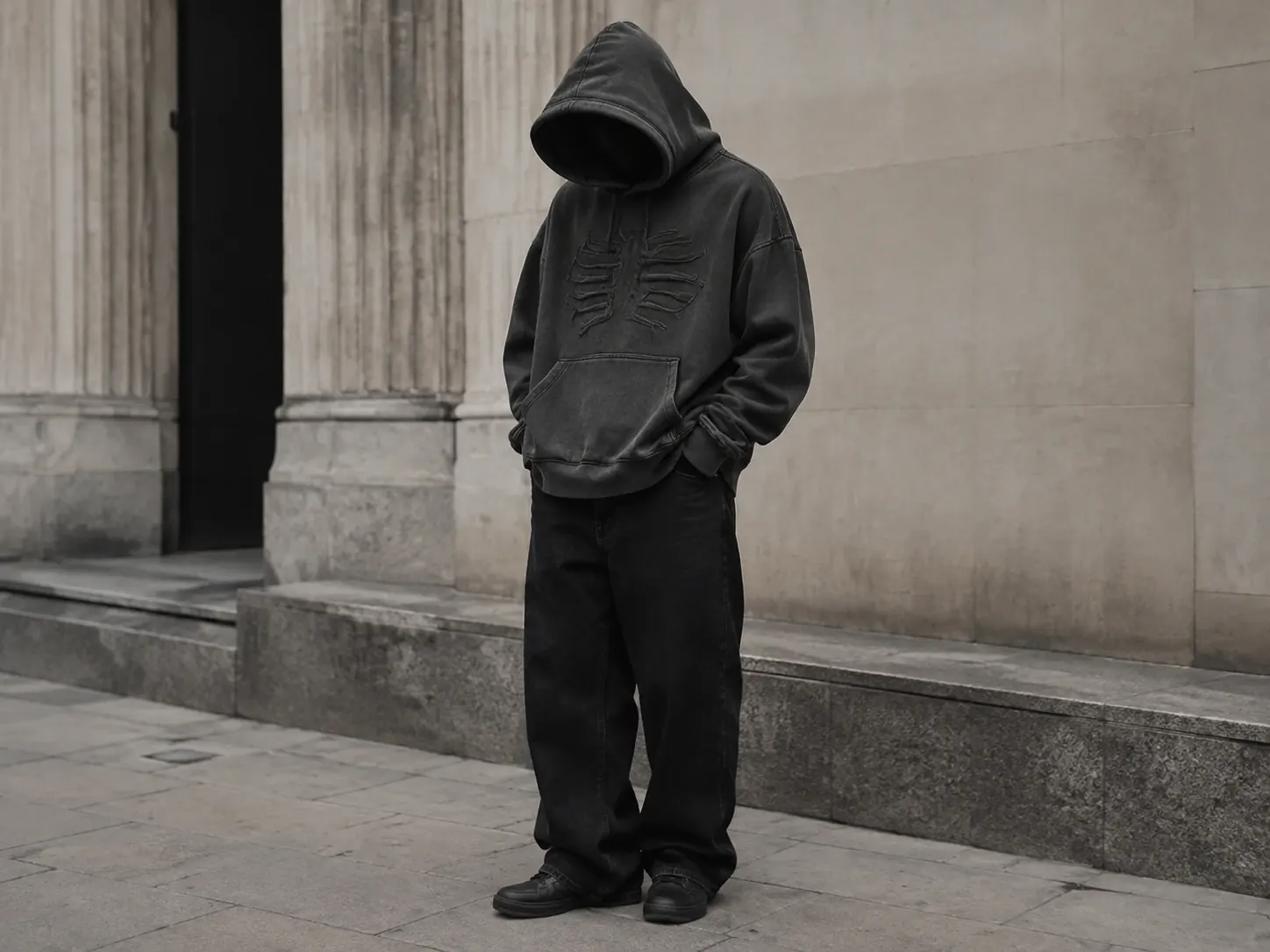
Review fleece or loopback structure, surface stability, hood construction, pocket position and rib recovery with the intended print or embroidery method.
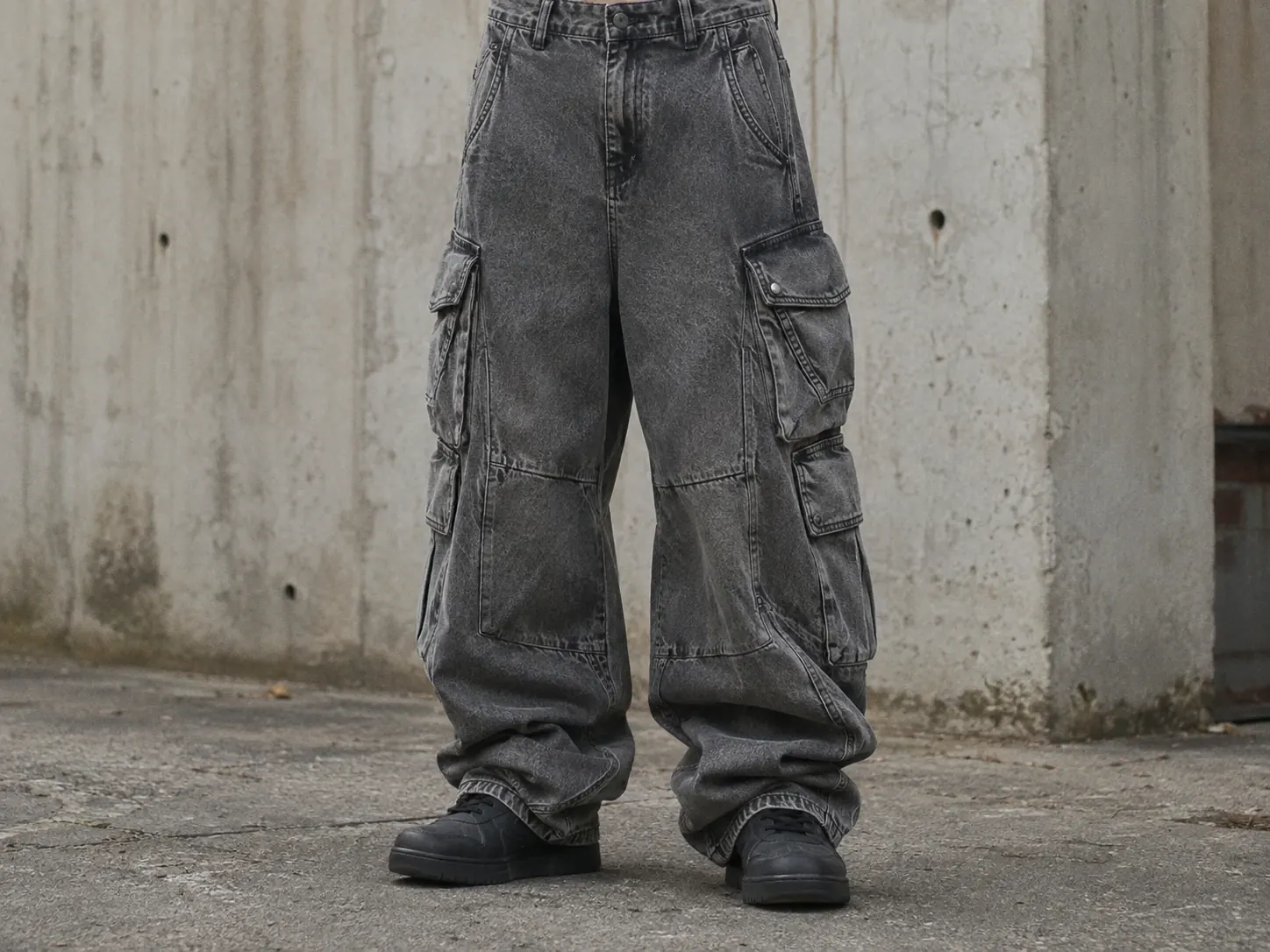
Connect rise, leg shape, waistband, pockets, hardware, wash direction and coordinated colour decisions to the physical sample and measurement record.
Review developed T-shirt foundations, hoodie foundations or the dedicated custom jeans manufacturing route without treating those pages as duplicate owners of the Streetwear cluster.
Dimensional print, embroidery and washing must be approved on the selected material, fit and construction.
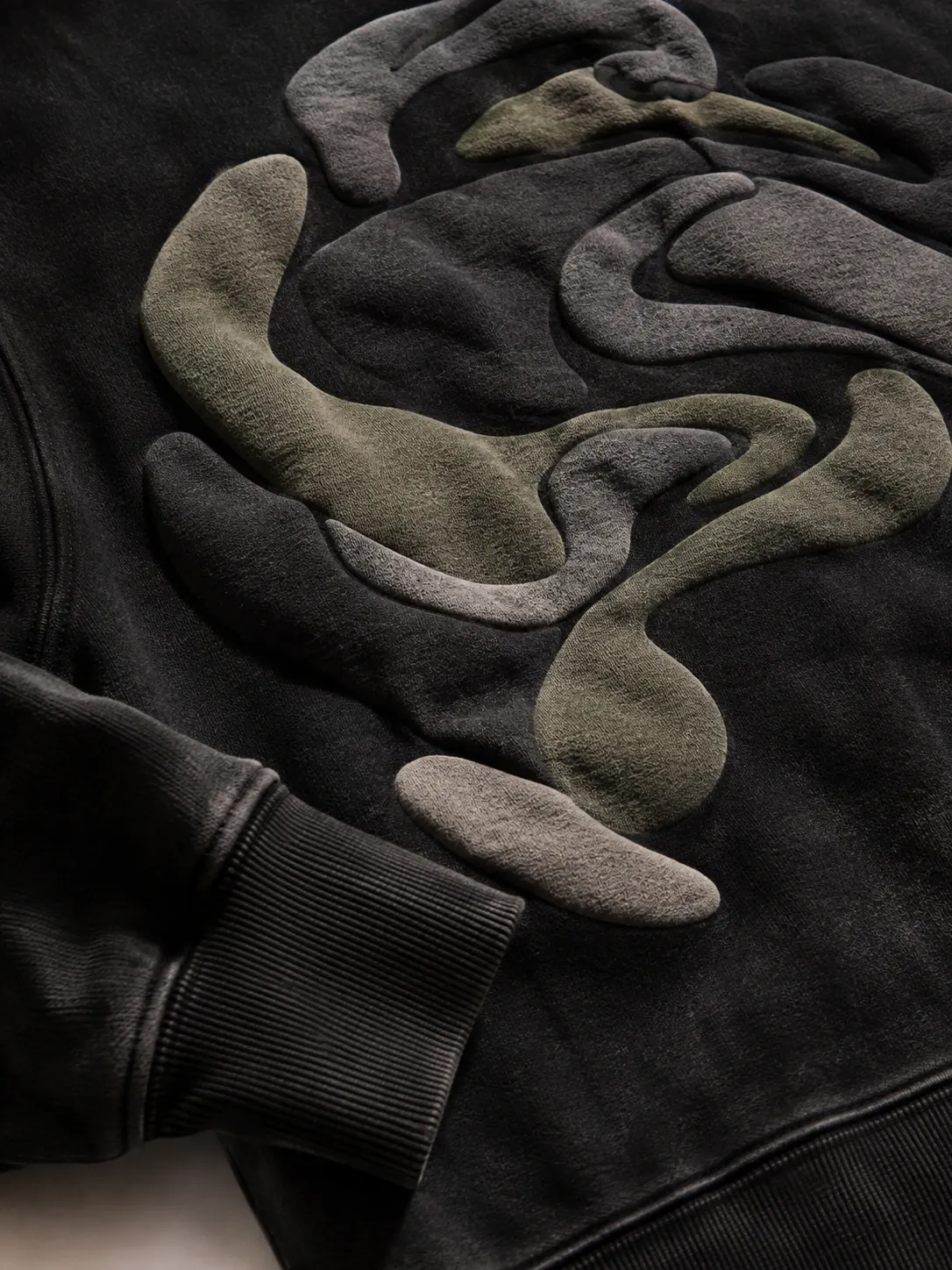
Puff printing
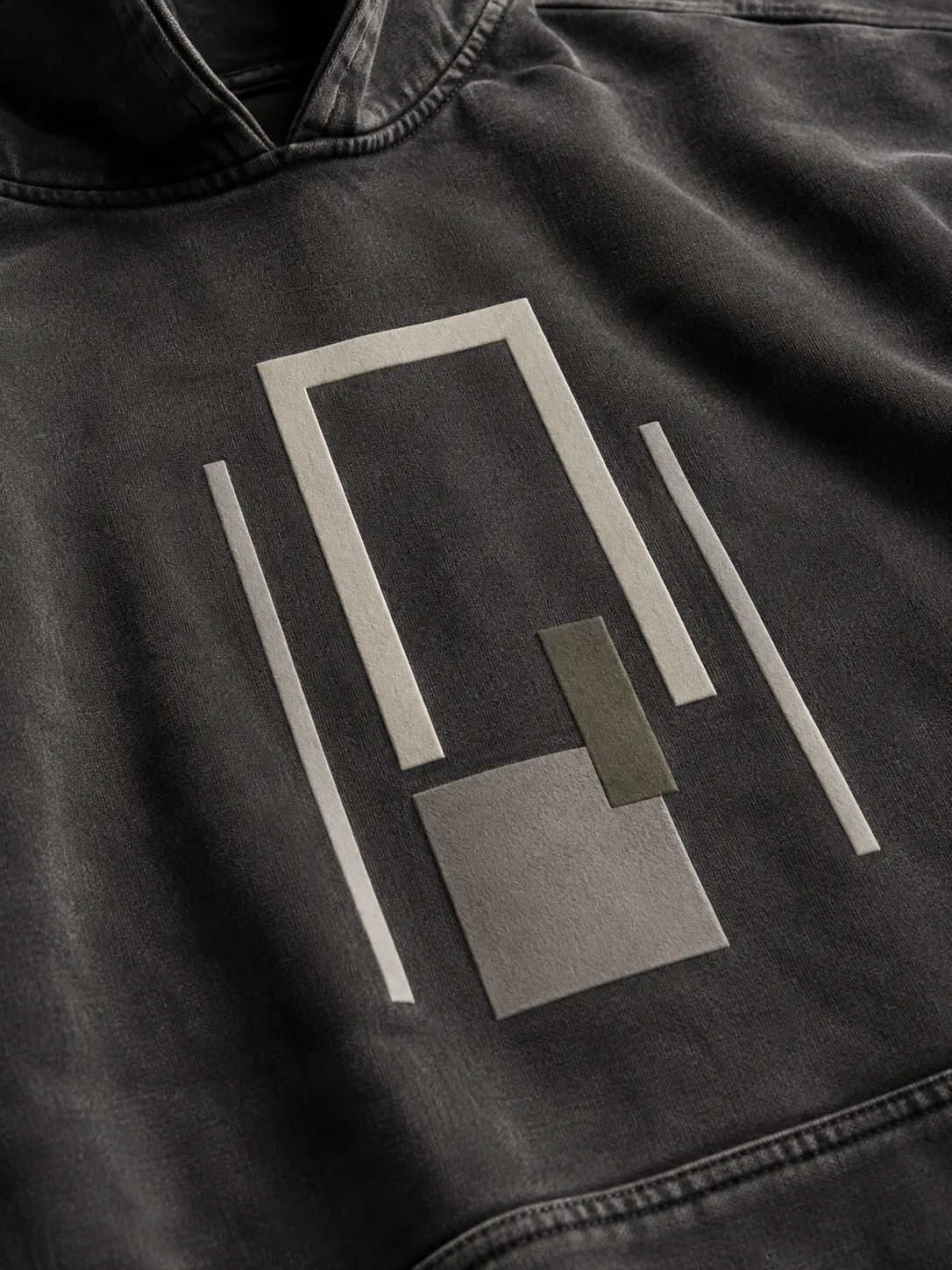
High-density print
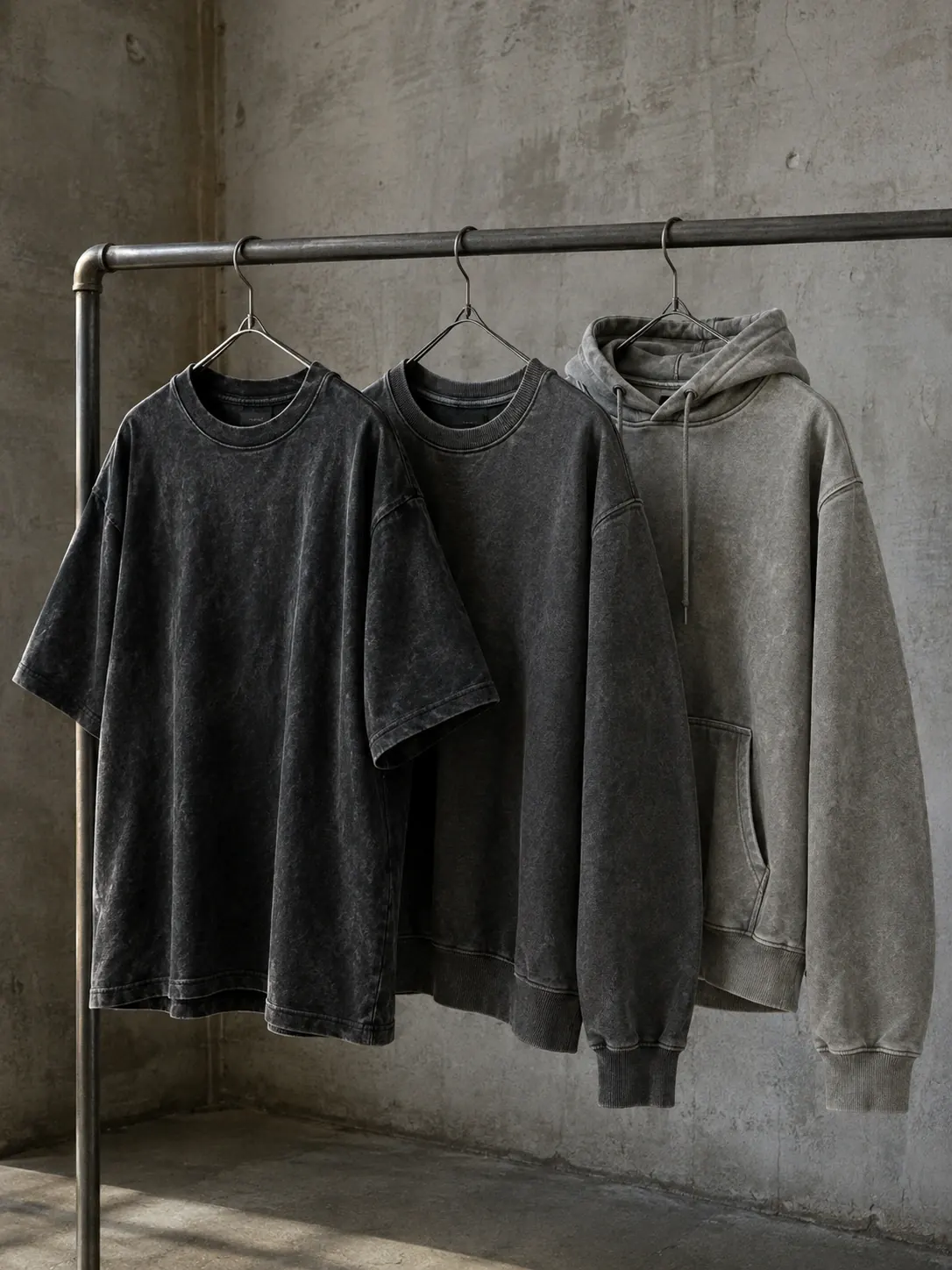
Garment washing
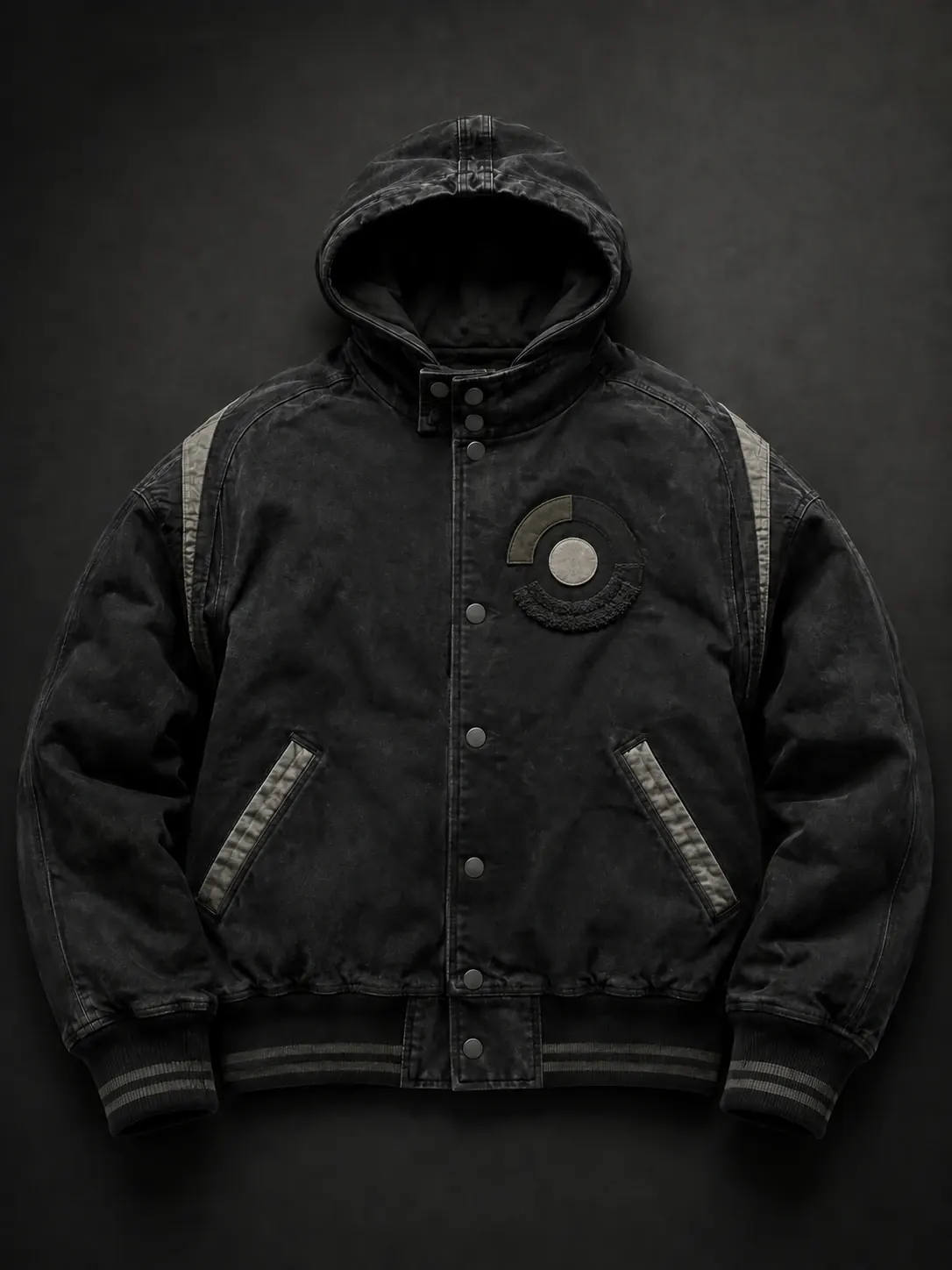
Embroidery
Original garment route
Develop pattern, measurements, material, construction, washing and decoration through physical samples.
Review full custom manufacturingDeveloped garment route
Keep the accepted fit and construction, then approve artwork, labels, packaging and the repeat-order record.
Review blank apparel customizationDRIOV does not define streetwear capability through one style, one GSM number or one print method. Review the product direction, approved media, factory process and sample controls that correspond to the actual collection.
Small brands can also review the startup and small-batch route. Feasibility, order range and timing remain project-specific.
See factory evidenceBuyer questions
No. Use full custom when the fit, fabric, construction or finish must be original. A developed blank can be more practical when the base garment already meets the brief and the project mainly needs decoration, labels and packaging.
GSM is one input, not a complete quality grade. Yarn, knit structure, density, brushing, wash, construction, fit and surface finishing also affect how the garment feels and how it accepts decoration.
Yes. Sampling the complete garment is the useful approval method because artwork scale, placement, fabric surface, seams and garment proportions affect the finished result together.
No. The practical range changes with garment route, fabric, colours, trims, washing, decoration and production planning. Share the product and target quantity range for a project-specific review.