Assess
Review fibre, fabric, colour, sewing thread, rib, labels, hardware and decoration for process compatibility.
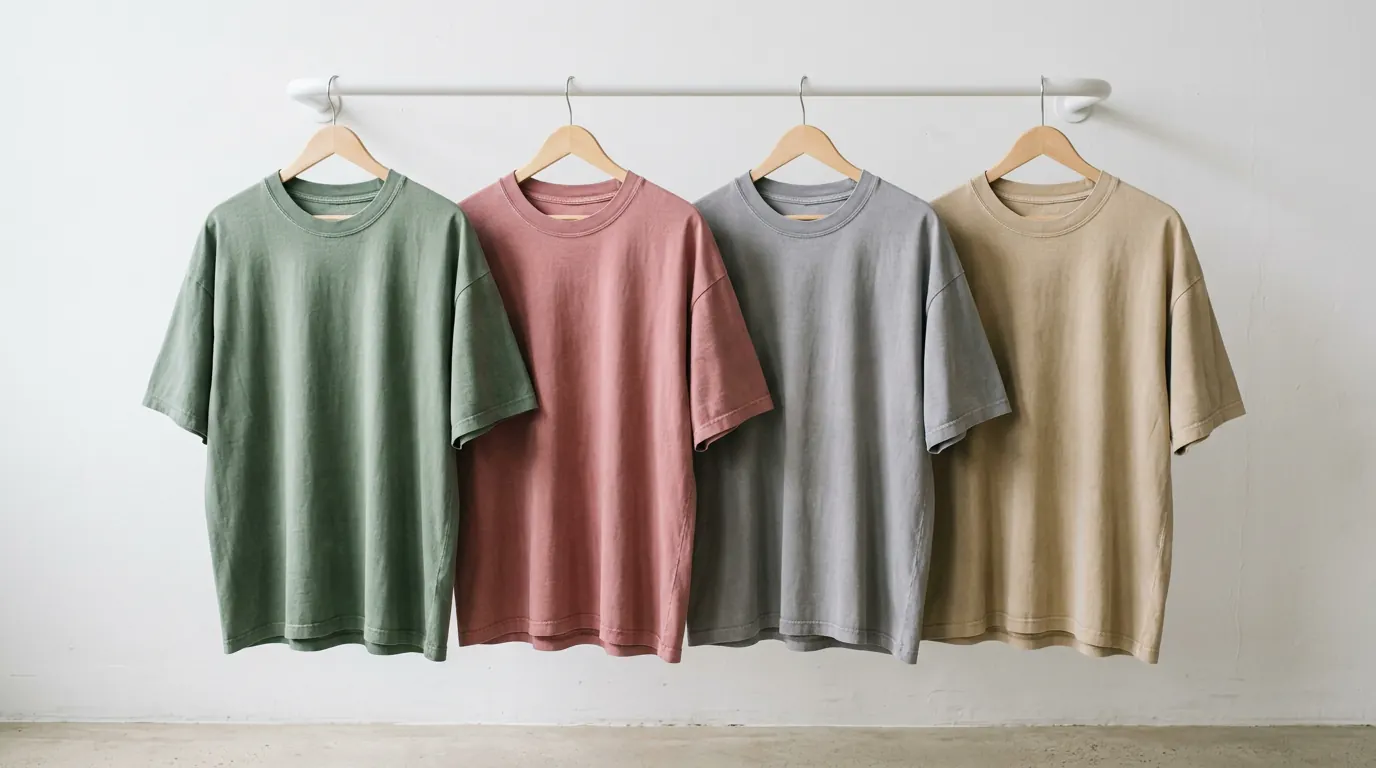
Review garment washing and finishing as a controlled part of fabric, colour and construction development—not as a universal visual effect.
Garment washing and finishing are post-construction processes used to adjust appearance, surface and hand feel. Depending on the approved material and project, the direction may involve softening, enzyme treatment, pigment or garment-dyed effects, denim washing or other controlled finishes.
The same process does not behave identically on every garment. Fibre blend, dye system, thread, rib, trims, construction and load conditions can change shade, shrinkage and surface character. DRIOV develops the finish against an approved sample and records tolerances appropriate to the selected fabric rather than promising exact uniformity from a visual reference alone.
Where it fits
Review fibre, fabric, colour, sewing thread, rib, labels, hardware and decoration for process compatibility.
Trial the selected wash or finish and adjust recipe, time and handling toward the intended appearance and hand feel.
Compare shade, surface, dimensions, seam behaviour and component performance with the pre-wash record.
Use the approved sample and tolerance range to assess production lots while maintaining traceable process records.
One continuous sequence connects equipment, process control, physical results and the approval reference.
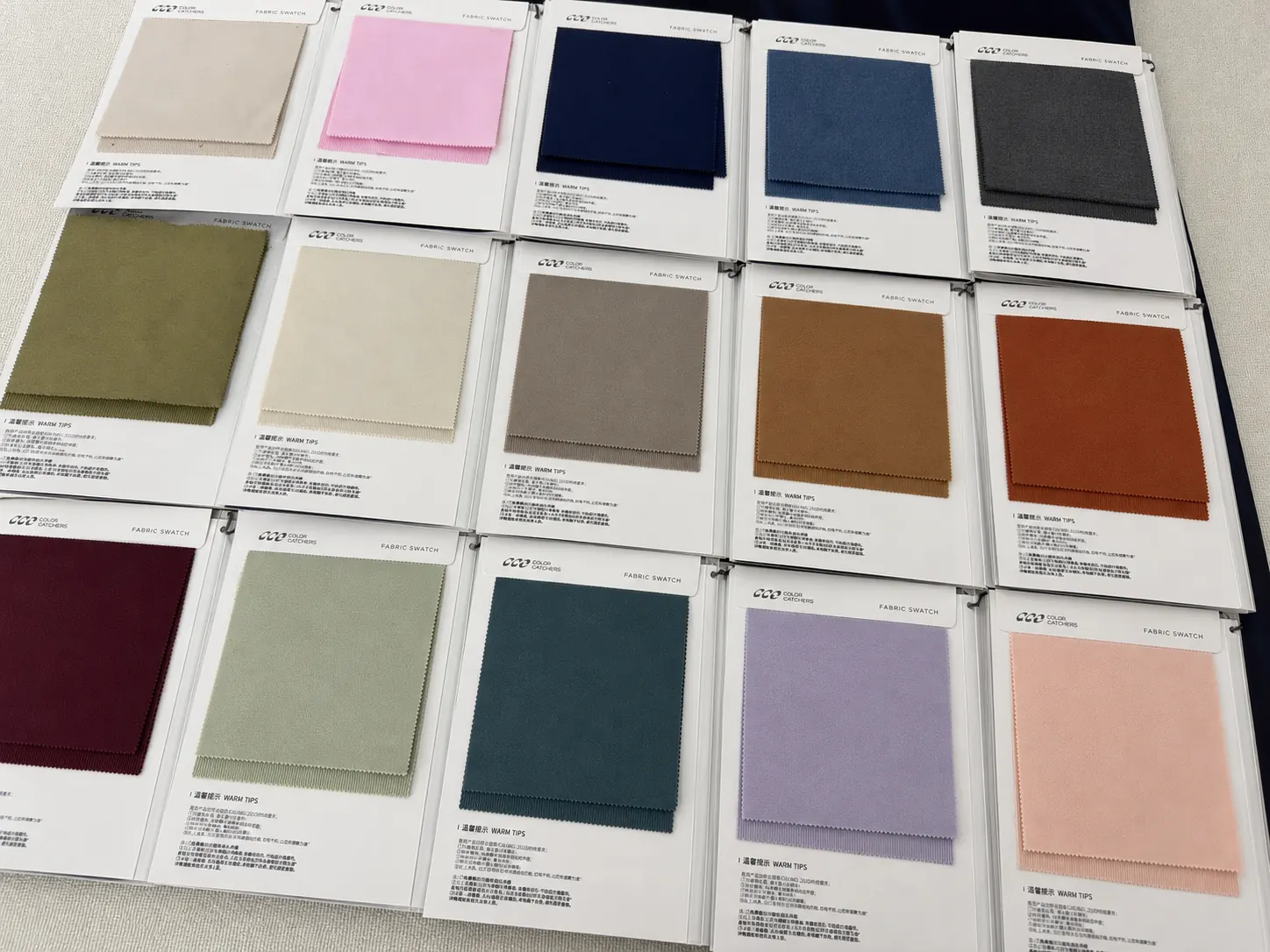
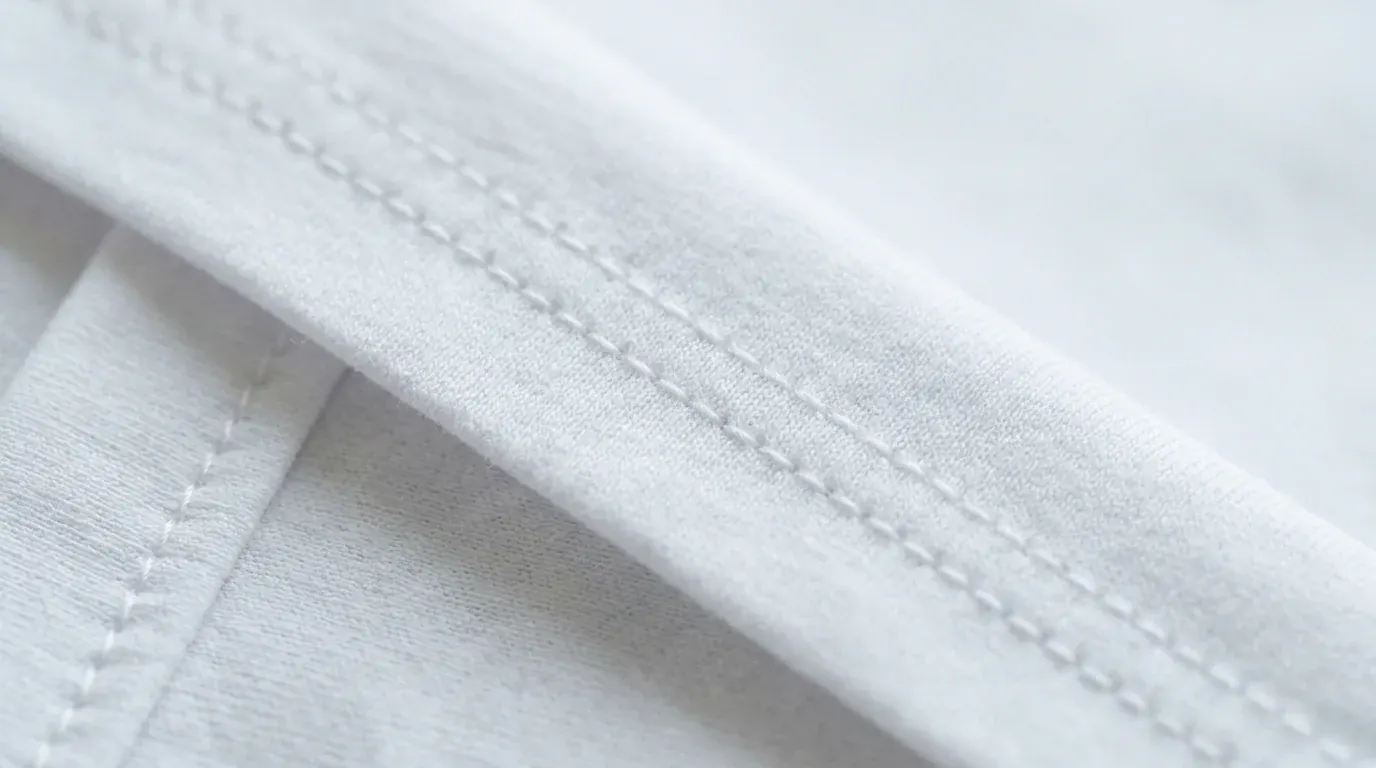
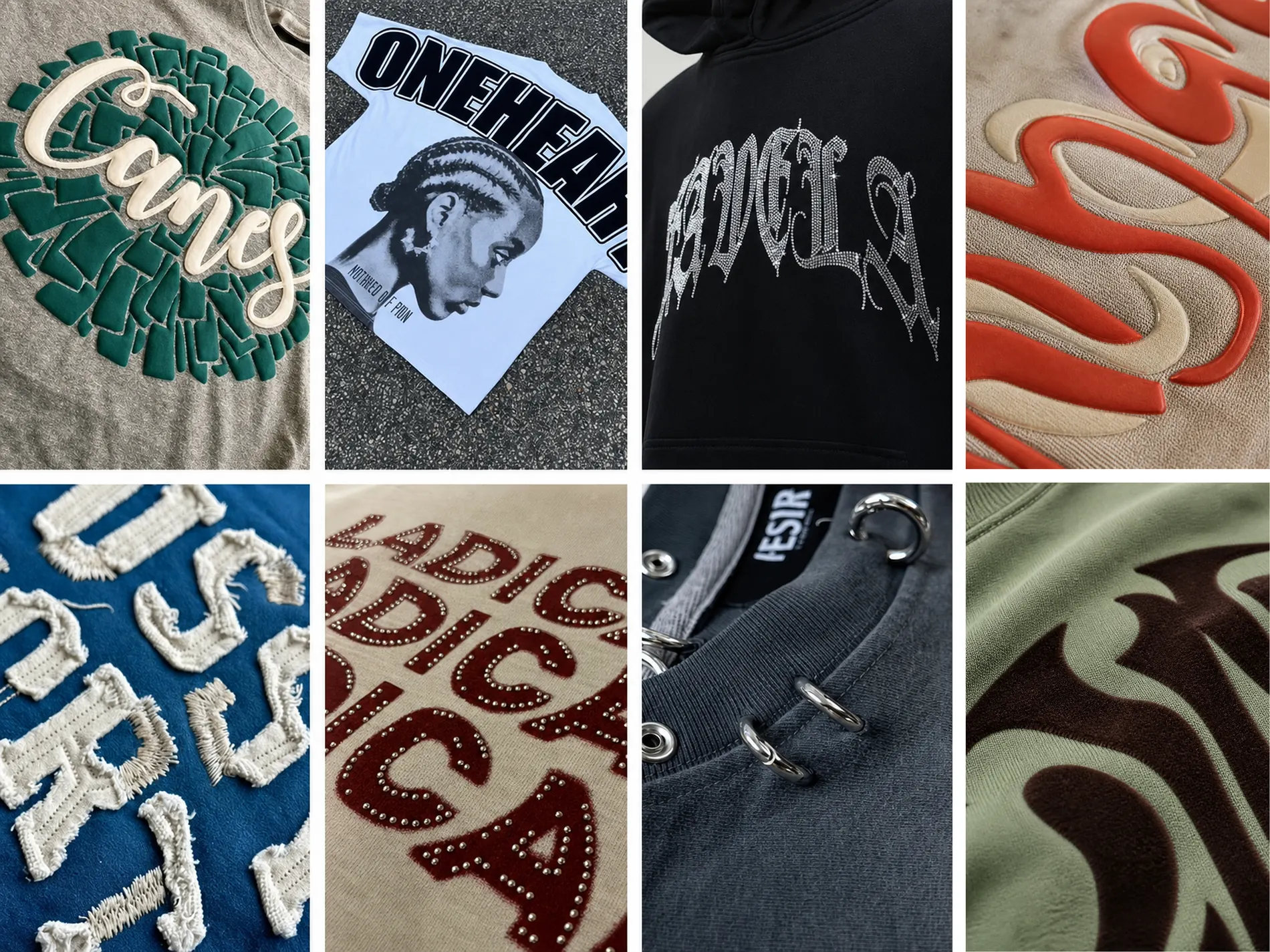
Confirm fibre, dye route, trims and construction before selecting a wash effect from a reference image.
Read guideRecord garment dimensions and appearance so shrinkage, twist and surface change can be evaluated together.
Read guideDefine acceptable shade and effect variation from physical samples because washing is a material process, not a screen colour.
Read guideNo. Material and process variation can create differences, especially in pigment, enzyme, denim and vintage-style effects. The approval should define an acceptable range rather than an impossible identical result.
It can. Fibre, knit or weave, construction and wash conditions influence shrinkage, twist and recovery. Measure samples before and after the agreed treatment, then account for the result in production.
Possibly, but ink, thread, backing, labels and trims must be compatible with the process. The sequence should be chosen during development and tested on the complete garment.
Share the base fabric, colour target, reference garment, intended hand feel, acceptable variation and decoration plan. A photograph alone cannot define chemistry, construction response or bulk tolerance.