Assess
Review the garment fibre, construction, base shade, trims and intended colour direction for dye compatibility.
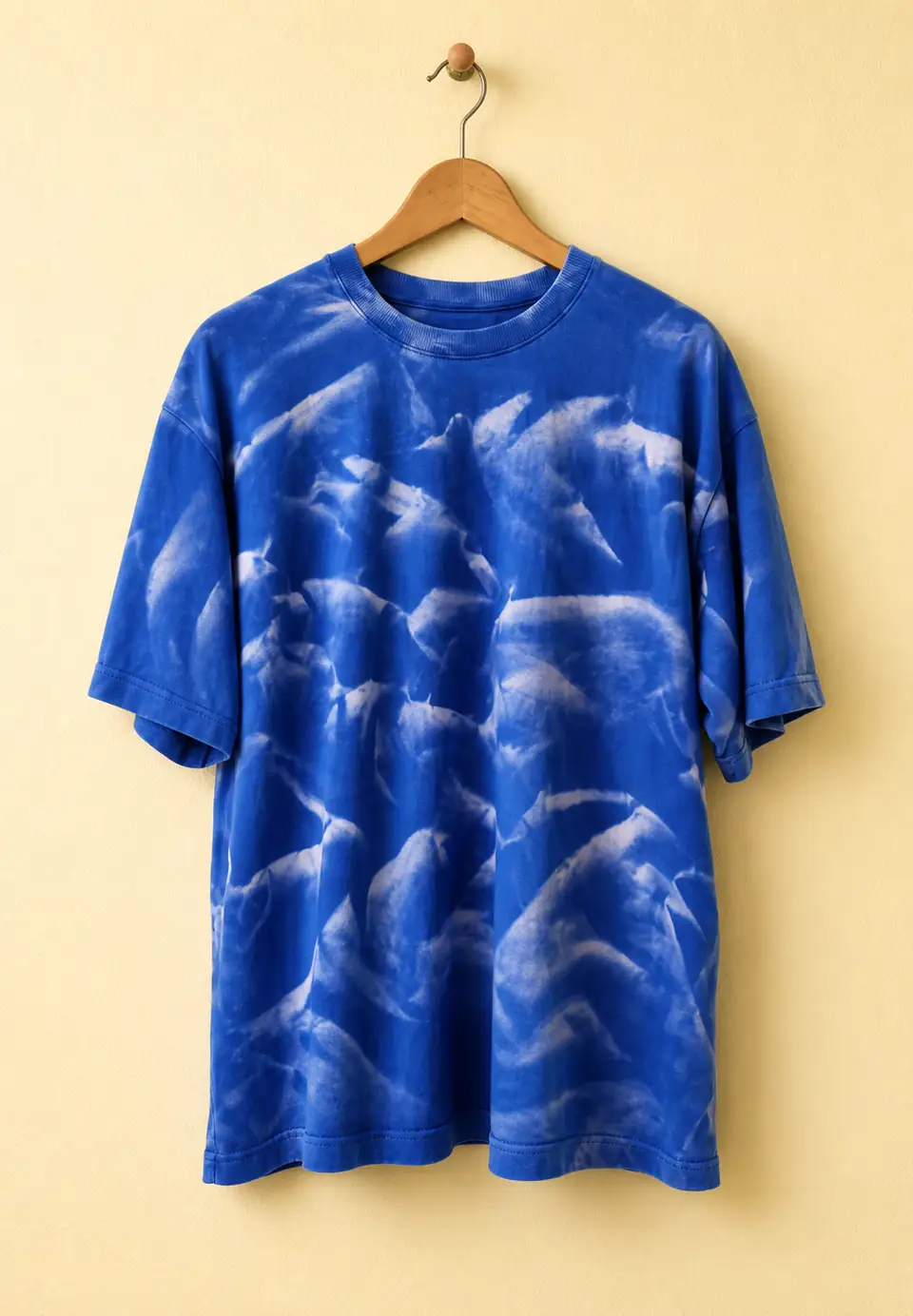
Develop tie-dye apparel around fibre, garment construction, colour direction, resist pattern and an approved range of natural variation.
Tie-dye creates colour patterns by folding, binding, compressing or otherwise resisting selected areas before dye is applied. The result can range from directional spirals and bands to softer clouded effects on T-shirts, sweatshirts and other compatible garments.
Each garment carries natural variation, so production should be approved as a controlled visual range rather than an identical placement map. Fibre content, base colour, stitching, rib, labels and wash response must be reviewed together. DRIOV develops the folding or binding method and colour direction on physical samples before bulk production.
Where it fits
Review the garment fibre, construction, base shade, trims and intended colour direction for dye compatibility.
Set the folding, tying or compression method that will create the required resist pattern and variation.
Apply the approved colour sequence, then rinse and finish the garment under controlled conditions.
Compare colour balance, pattern character, dimensions and surface condition with the accepted sample range.
One continuous sequence connects equipment, process control, physical results and the approval reference.
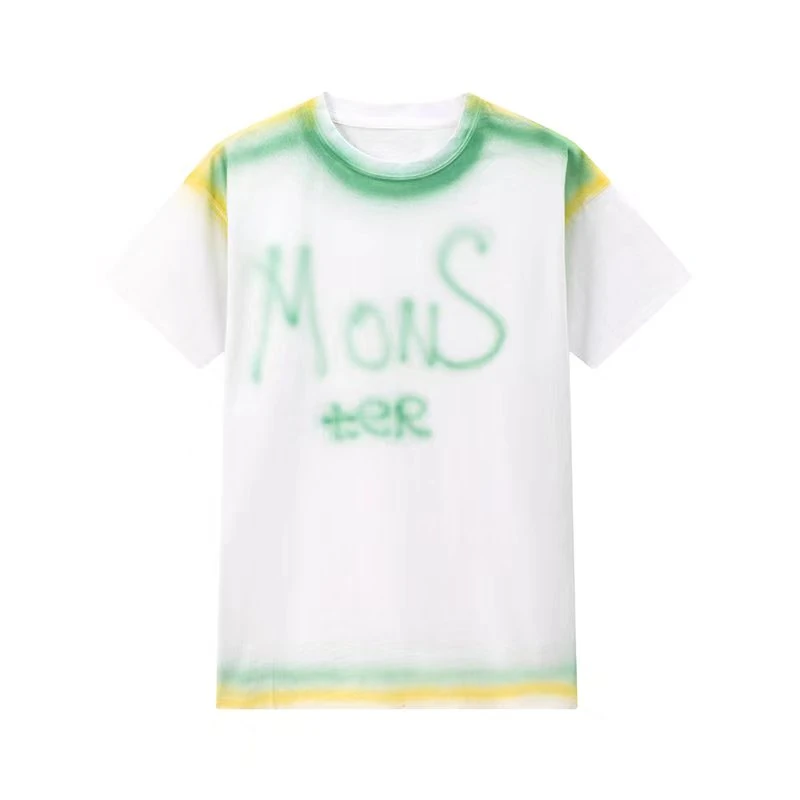
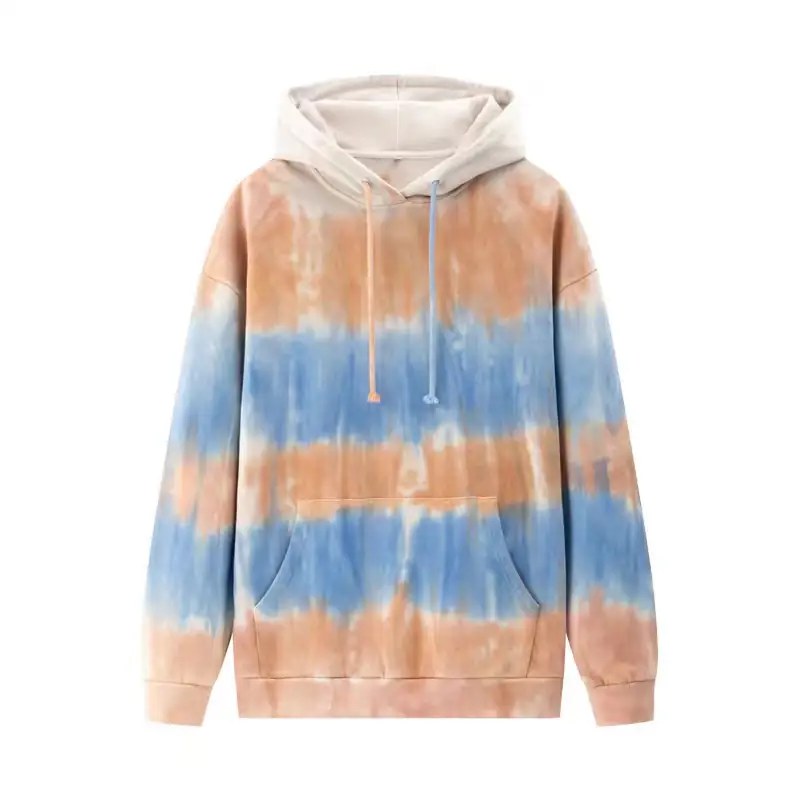
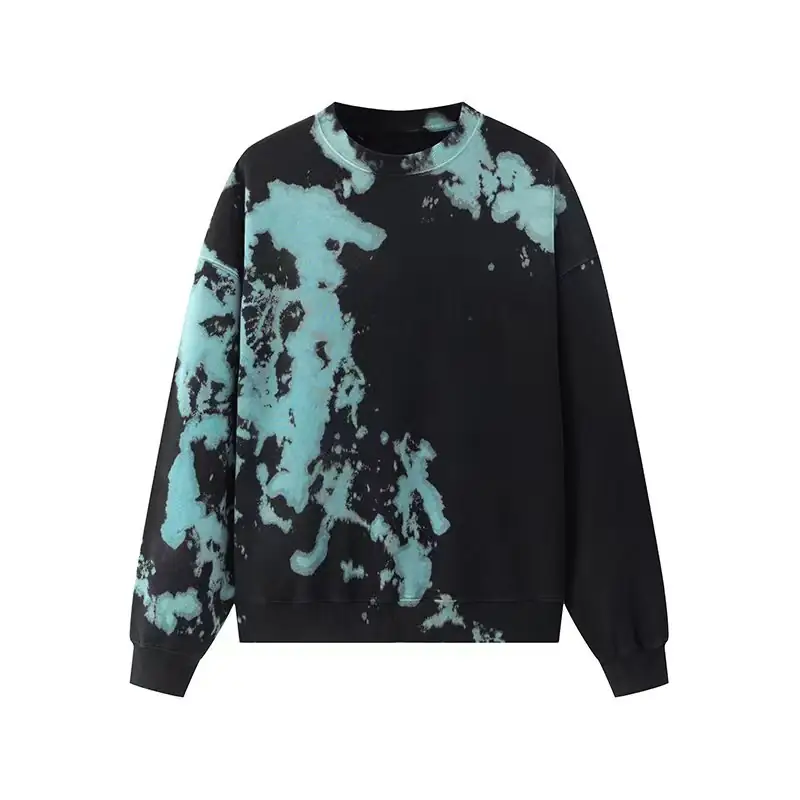
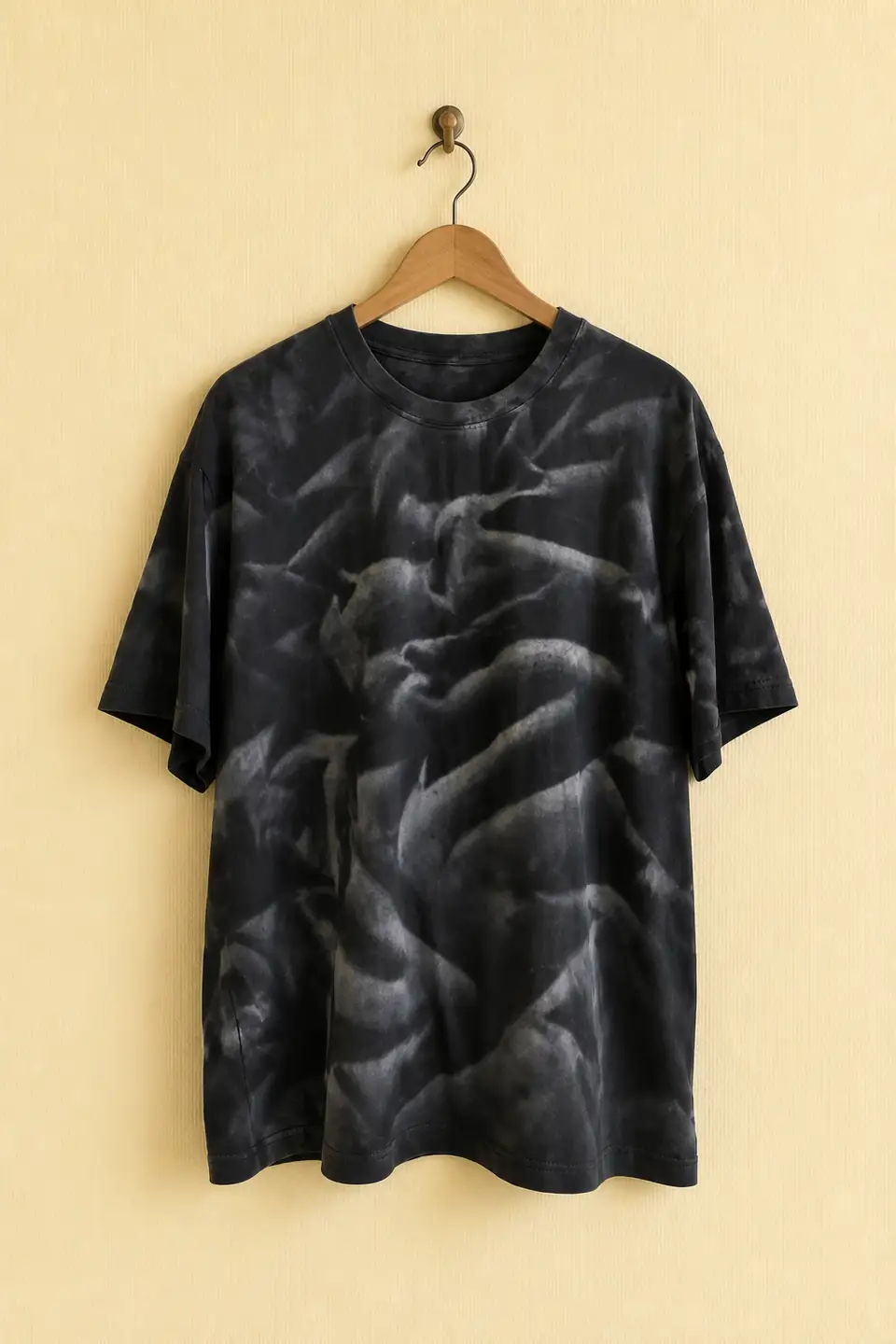
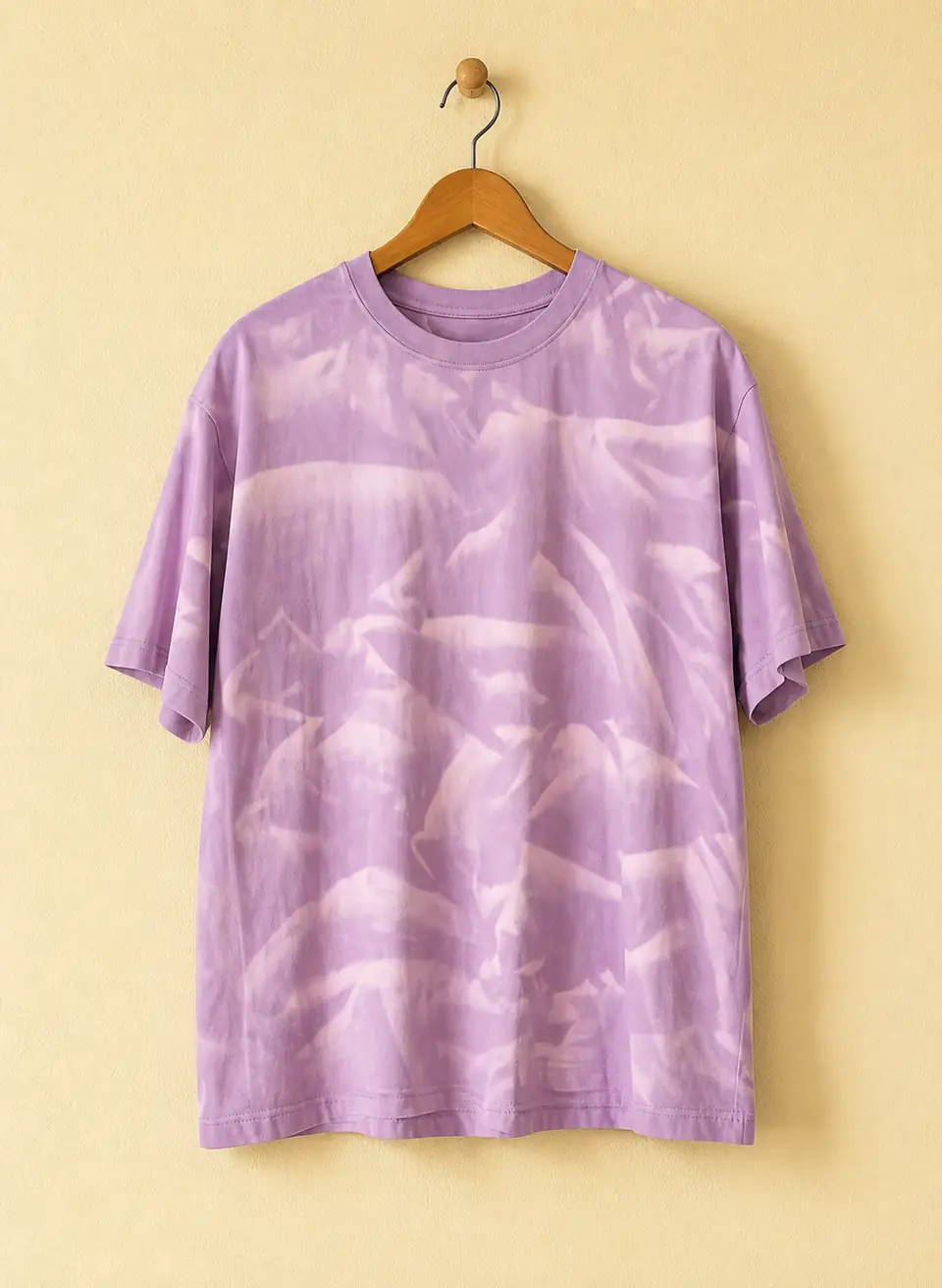
Confirm fibre content, base colour, thread, rib and trims before choosing the dye and resist method.
Read guideUse folding, binding and colour references to describe the intended family of results without promising identical placement.
Read guideReview colour balance, staining, shrinkage, hand feel and pattern variation after the complete wash and finishing cycle.
Read guideNo. The process naturally creates variation in colour distribution and pattern placement. Approval should define the intended effect and an acceptable range using several physical samples.
Cotton-rich fabrics are common starting points, but fibre blend, dye system, thread, rib and existing garment colour all affect the result. The exact garment should be tested.
Often yes, but print, embroidery or label colours and sequence must be planned against the dyed surface. Decoration should be sampled on the finished colour effect.
Washing and dye processing can change shrinkage, twist and hand feel. Measure the approved sample before and after processing and use realistic production tolerances.